


This French toast recipe that’s been my family’s go-to for decades – the kind we all grew up waking up to. It turns out soft and custardy inside, perfectly golden outside, and it fills the kitchen with that “breakfast is ready” smell everyone loves. Best part? It’s made with simple ingredients and comes together under 15 minutes, so you can enjoy a café-style breakfast without any fuss.
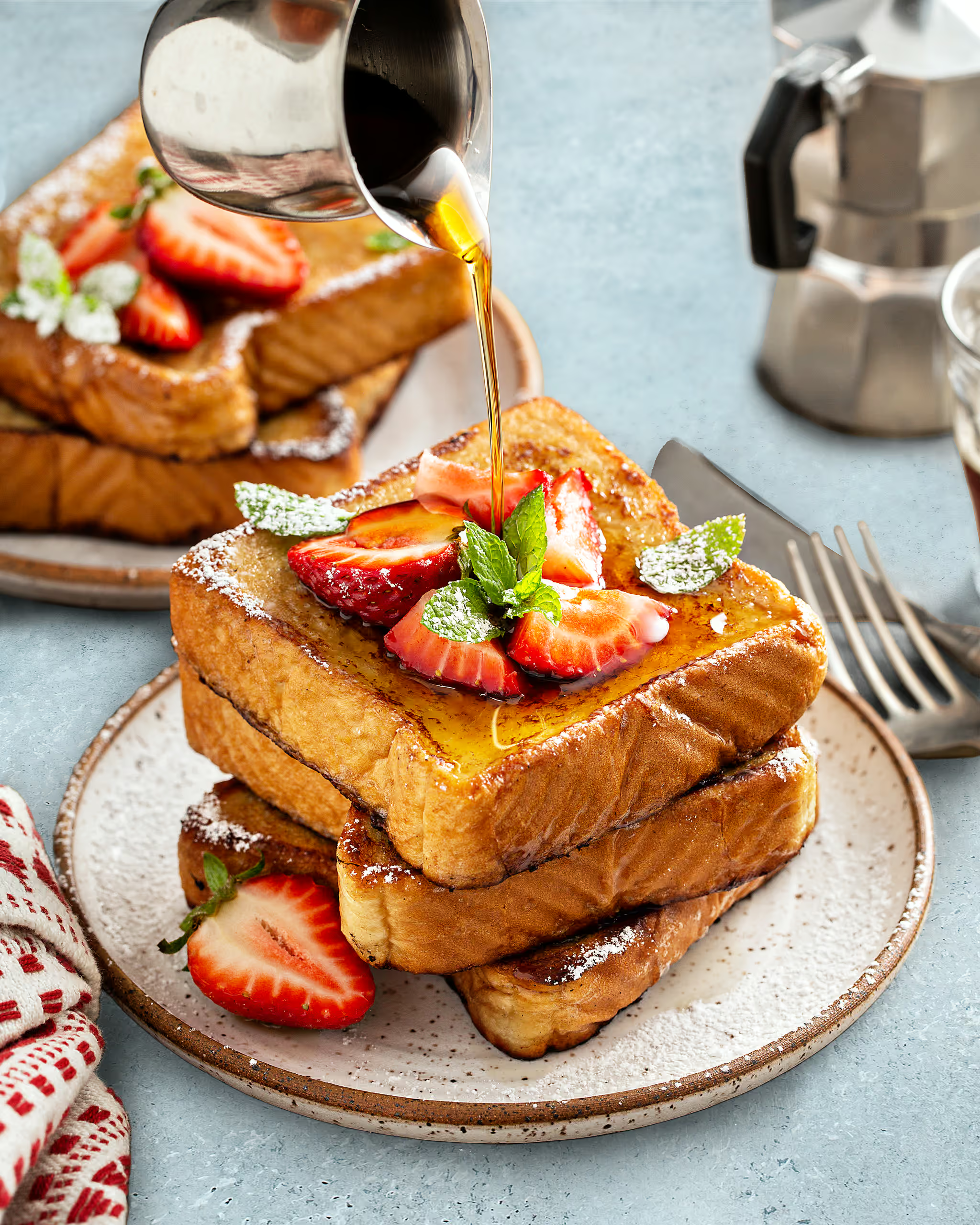
What Is French Toast?
French toast is one of those timeless dishes that’s been around for ages. Funny enough, it wasn’t actually invented in France. People were already making early versions of it in ancient Rome, long before France became a country. Much later, it became known as pain perdu, meaning “lost bread”, because it was a clever way to use up stale loaves. The modern name “French toast” appeared even later, likely introduced by French immigrants in the U.S., and it stuck simply because it sounded good on a menu.
Today, French toast has evolved far beyond its modest beginnings. You’ll find it on café menus everywhere, often piled high with berries, syrup, powdered sugar, or even whipped cream. My version keeps the same café-style indulgence but stays wonderfully simple – transforming humble bread into into something that tastes like a morning treat.
Why You’ll Love This French Toast Recipe
It’s no surprise French toast is one of the most loved breakfasts around the world. It’s the kind of recipe that gets passed down through generations – a little different in every home, yet always familiar. I’ve loved it since I was a kid, and it’s still my favorite way to start the day. Here’s why this version has stayed with me all these years:
- It’s a quick and easy breakfast that takes only about 15 minutes from start to finish.
- I love that this recipe uses simple ingredients you probably already have, yet it still gives you that rich, café-style French toast that feels anything but ordinary.
- It’s incredibly budget-friendly, making it easy to enjoy a great homemade breakfast without stretching your grocery bill.
- This recipe is easy to customize – keep it simple or add your favorite topping to make it exactly the way you like.
- It can be make ahead by preparing the custard mixture the night before, so in the morning all that’s left is to dip the bread and cook.
French Toast Ingredients
Before we dive into cooking, let’s take a moment to look at the ingredients. Each one plays a small but important role, and knowing why helps you make French Toast that turns out perfect every time.
Bread
If you’ve ever wondered what is the best bread for French toast, I’ve tested them all – and it really comes down to the texture you love most. What matters is choosing slices with a denser crumb (fewer large holes) so they soak up the custard without falling apart.
- Brioche is my forever favorite. It’s rich, buttery, and just slightly sweet, with a soft crumb that soaks up the custard like a sponge while holding its shape beautifully.
- Challah comes close behind. It’s still rich and eggy but a little lighter and less buttery, which gives a firmer bite and a touch more chew. It also very good at absorbing custard while holding its shape.
- If you prefer something lighter, thick-cut white sandwich bread also works – just avoid very soft or thin slices, which soak too quickly and fall apart.
- For a rustic variation, I go with sourdough or country-style bread that adds a subtle tang and a slightly firmer texture.
Whatever bread you use, stale slices work best. The loaf you were about to throw away usually makes the best French toast. But if all you have is fresh bread, it’ll still turn out great – just a little softer. When I can’t resist using a fresh loaf, I simply unwrap it and let it air-dry overnight so it’s ready for breakfast.
Eggs
Eggs are the foundation of a good French toast custard. Without them, the bread would stay soggy no matter how long you cook it. As the eggs heat up, their proteins set and thicken, giving the custard structure and that rich, classic French toast texture.
Milk and Cream
Milk and cream are what make the mixture a true custard – without them, it cooks more like scrambled eggs. Milk keeps the texture light, while a splash of cream adds that rich, café-style smoothness. If you don’t have heavy cream, half-and-half works as well, or you can use just milk for a lighter version.
Seasoning
A little sugar, salt, and spices give the custard its character. Sugar lightly sweetens and helps the surface caramelize, while vanilla, cinnamon, allspice, and a hint of nutmeg add that familiar warmth that makes French toast so inviting.
Butter
It’s hard to imagine perfect French toast without butter, right? I like to use unsalted butter so I can control the seasoning and melt just enough to coat the skillet before adding each batch.
Each of these ingredients is simple on its own, but together they make French toast that never disappoints.
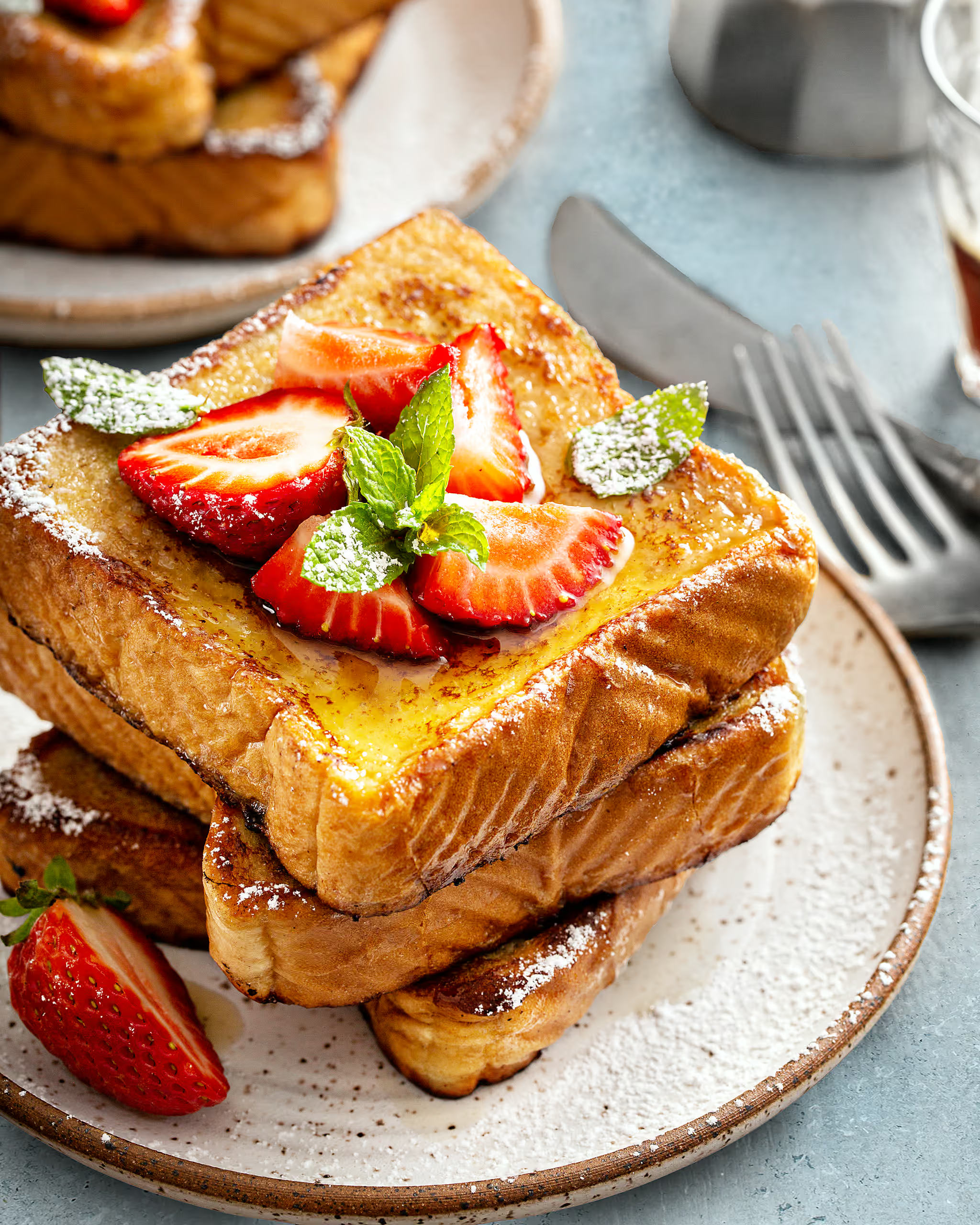
How to Make the Best French Toast
French toast is easy to make, but a few simple techniques can take it from good to exceptional. I grew up watching this recipe being made, and over the years, I’ve picked up a handful of tips that consistently give me the best result.
What’s the Best Skillet for French Toast
A good skillet sets you up for evenly cooked, golden French toast. It should distribute heat evenly and be wide enough to flip slices easily. My go-to is a griddle – it holds a steady temperature and lets me cook a full batch at once, so everyone gets warm slices straight from the pan. If you don’t have one, a cast-iron or nonstick skillet works just as well, as long as it holds heat evenly and releases the bread without tearing that delicate texture.
How to Preheat Your Skillet Properly
A cold griddle or skillet is one of the main reasons French toast turns out pale or soggy. When the pan isn’t hot enough, the custard doesn’t set right away and starts to seep out. Preheating your griddle or skillet over medium heat solves this – you want it evenly hot (not smoking) so a tiny drop of water sizzles on contact. That way, the custard begins to cook the moment the bread hits the surface, giving you a golden crust right from the start.
How to Keep French Toast from Burning
It’s tempting to turn the heat up to speed things along, but with French toast it only leads to burnt edges and an undercooked center. Medium heat is the sweet spot that lets the custard cook through while the surface turns golden. If it browns too quickly, just lower the heat and give it a little more time.
How to Prevent Butter from Browning Too Quickly
Butter tends to brown quickly – especially if you’re cooking several batches. To keep the color even and prevent a burnt flavor, I add a small splash of neutral oil (like canola, avocado, or peanut) to the skillet along with the butter. The oil raises the smoke point, helping the butter stay golden instead of burning.
How to Mix French Toast Custard
A well-mixed custard is essential. If the eggs aren’t whisked thoroughly with the milk and cream, they don’t fully blend into the liquid and won’t soak into the bread properly – they will just cook into little strands on the surface. Spices need attention too: they naturally float, so unless they’re whisked in well, most of them will cling to the first slice you dip, leaving the rest barely seasoned. Take a moment to whisk everything until the custard is completely smooth and the spices are evenly mixed – it makes every slice cook evenly and taste the same.
Don’t Over-Soak the Bread
I usually dip each side for about 30-40 seconds, just until it’s coated and slightly heavy. If the slices sit too long, they’ll absorb too much and fall apart. For the best texture, transfer them straight from the custard to the griddle or skillet while they’re still easy to handle.
Now that we’ve covered how to make French toast turn out perfectly, let’s talk toppings and all the little extras that make each slice shine.
French Toast Topping Ideas
A good topping can make French toast feels like a café-style treat. Here are some of my favorite ways to dress it up:
- Butter and Maple Syrup. Top your warm French toast with butter and a pour of maple syrup for that sweet, comforting classic.
- Fresh Berries. A mix of strawberries, blueberries, or raspberries adds juicy sweetness and a refreshing contrast to the warm French toast.
- Powdered Sugar. A light dusting adds that café-style look and a touch of sweetness. I use a small sieve so it falls like snow – it’s simple but always looks beautiful.
- Yogurt or Whipped Cream. When I want something creamy, I go for a spoonful of Greek yogurt for a tangy balance or lightly whipped cream for a softer finish. Both pair perfectly with fruit or honey.
- Sauces. Chocolate, caramel, or fruit sauces bring a gentle sweetness and richness to enhance the French toast – just a light drizzle is all you need.
- Nuts. Sometimes I use toasted almonds, pecans, or walnuts to add a delicate crunch and a nutty flavor that contrasts beautifully with the custardy texture of the toast.
That’s how I like to top mine, but everyone has their own twists. What’s your favorite way to serve French toast? Share it in the comments below – I’m always looking for new ideas to try!
How to Store & Reheat Leftovers
If you ever end up with a few slices left over – which rarely happens for me – let them cool completely, then store them in an airtight container in the fridge for up to 4 days.
If you’ve made a big batch, you can also freeze the slices. Lay the cooked and cooled French toasts in a single layer on a baking sheet, freeze until firm, then transfer to a freezer-safe bag for up to 2 months. Defrost in the microwave for 45-60 seconds or in the fridge overnight.
When you’re ready to reheat, warm the slices in a skillet (my favorite method), pop them in a toaster, or bake for 5-7 minutes at 350°F / 180°C. I tend to avoid the microwave for reheating – it softens the texture more than I like.
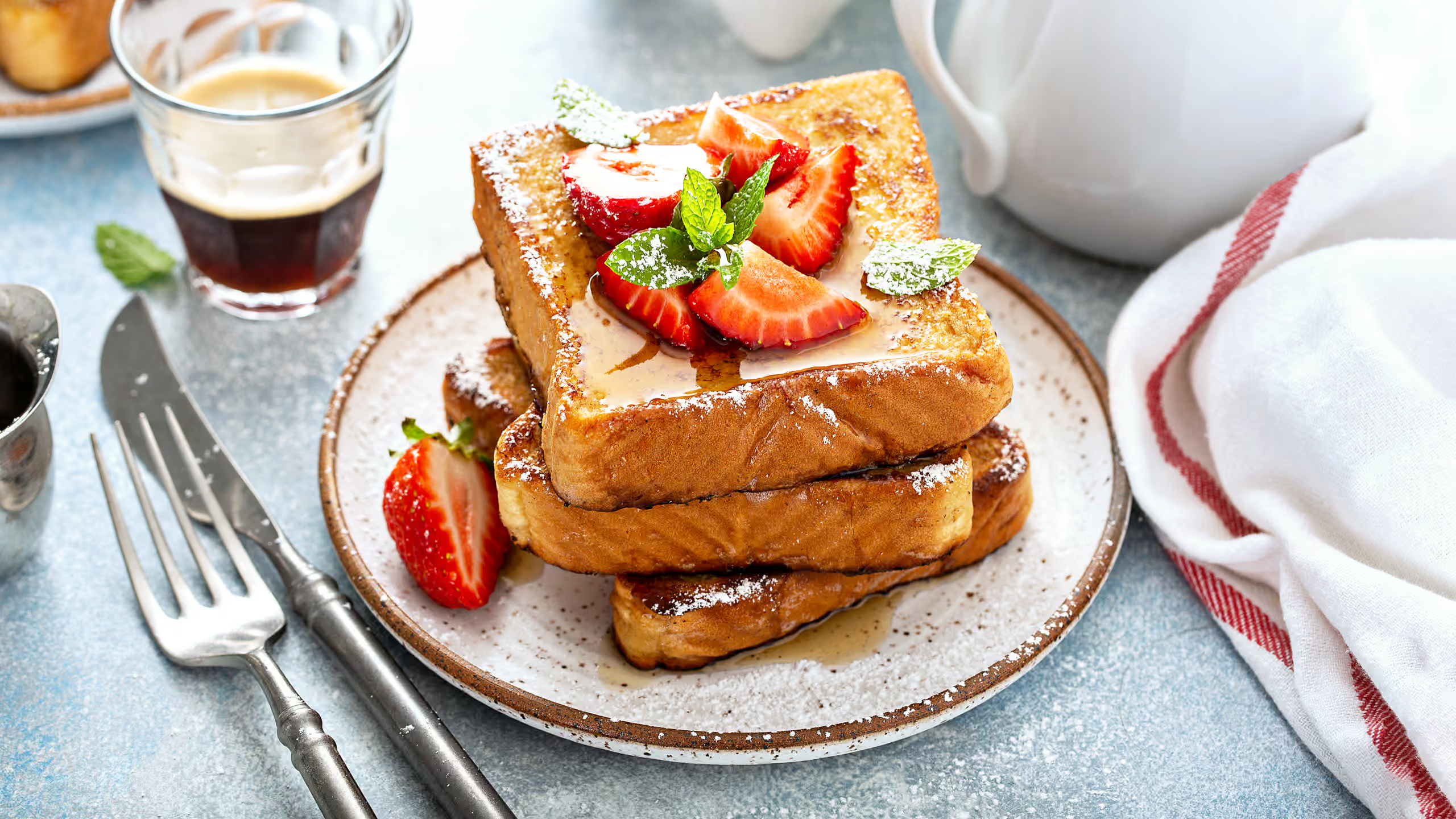

French Toast
Equipment
- Griddle or Large Skillet
- Mixing Bowl
- Measuring Spoons
- Whisk
- Spatula
Ingredients
- Bread 8 slices
- Eggs 4 pcs
- Milk 1 cup
- Heavy Cream ¼ cup
- Sugar 2 tbsp
- Vanilla Extract 1 tsp
- Cinnamon ½ tsp
- Allspice ½ tsp
- Nutmeg ⅛ tsp
- Salt ¼ tsp
- Unsalted Butter (for frying) 2 tbsp
- Neutral Oil (for frying) 1 tbsp
Instructions
- Add the eggs, milk, cream, sugar, vanilla, spices, and salt to a shallow bowl, then whisk until everything comes together in a smooth, even mixture.
- Preheat the griddle or skillet over medium heat. Add 1 tbsp of butter and a few drops of oil to coat the surface evenly.
- Dip each slice of bread into the custard for 30-40 seconds per side, let the excess drip off, and place it on the hot griddle or skillet.
- Cook for 2-3 minutes per side, until golden brown.
- Serve warm with your favorite toppings, like maple syrup, fresh berries, powdered sugar, or anything else you love from the ideas above.
Notes
- Whisk the custard until completely smooth. Under-mixed eggs won’t soak into the bread and will form little cooked strands on top, and floating spices will cling to the first slice instead of seasoning everything evenly.
- Don’t soak the bread for too long or it will absorb too much and start falling apart.
- Making a bigger batch? A flat-bottomed dish makes it easier to dip multiple slices at the same time.
- Make sure the griddle or skillet is fully preheated so the slices start cooking right away – otherwise the custard can seep out before it sets.
- To keep the butter from burning, add a little neutral oil (like canola, avocado, or peanut) to the skillet. It raises the smoke point so the butter stays golden and prevents a burnt flavor.
- If you’re cooking multiple servings, a griddle works best so all the slices are ready at the same time and stays warm until serving.
Nutrition Information
Keywords:
Quick and EasyShare with Friends
Good food is better when shared. It also helps us create more recipes for you.
Frequently Asked Questions
How to Make French Toast?
Perfect French toast starts with thick, slightly stale bread dipped briefly in a rich custard, then cooked on a skillet until golden. The key is soaking just enough to keep it tender, not soggy.
How to Make French Toast Batter?
To make French toast batter, whisk the eggs with milk, optional heavy cream, sugar, vanilla, and spices until the mixture is completely smooth and evenly blended.
What Goes on French Toast?
French toast is delicious with butter and maple syrup, fresh berries, powdered sugar, yogurt or whipped cream, nuts, caramelized fruit, or a light drizzle of sauce.
What’s French Toast?
French toast is a classic breakfast made by soaking bread in an egg-and-milk mixture, often with vanilla, cinnamon and allspice then frying it in a pan until golden.
What are the secrets of great French Toast?
The secrets to great French toast are using stale bread, soaking it in a well-mixed custard, and cooking it over medium heat in butter.
What are most common French Toast cooking mistakes?
Common French toast mistakes include using fresh soft bread, poorly mixed custard, soaking the slices too much or too little, and cooking at the wrong temperature.
Why does French Toast turn out soggy?
French toast can turn soggy if the bread is too fresh and soft, if it’s soaked for too long, or if it’s cooked over heat that’s too high.
What’s the best bread for French Toast?
The best French toast bread is sturdy, slightly stale, thick-sliced like brioche or challah. Their rich texture soaks up the custard perfectly without falling apart.
What milk is best for French Toast?
Whole milk works best for French toast because it creates a smooth and creamy custard. You can use just milk, or add a splash of heavy cream for extra richness.
What is the best egg to milk ratio for French Toast?
The best egg-to-milk ratio for French toast is 4 large eggs to 1 cup of milk, which makes enough custard for about 8 slices.
Is it better to cook French Toast in butter or oil?
Butter is generally better for French toast because it brings a rich, delicious flavor. I also add a little neutral oil to raise the smoke point and keep the butter from burning.
How long should I soak bread for French Toast?
You should soak French toast for 30-40 seconds per side. That’s long enough for the custard to absorb without the bread falling apart.
Can I freeze French Toast?
Sure! Let the cooked French toast cool completely, then freeze the slices in a single layer. Once solid, transfer to a freezer bag – they’ll keep for up to 2 months.