
Perfectly crispy hash browns at home are completely doable and much easier than you might think. This recipe shows you exactly how to get that golden crust and fluffy center in just 20 minutes, with a few simple ingredients and one skillet. Once you try them this way, diner hash browns won’t feel the same.
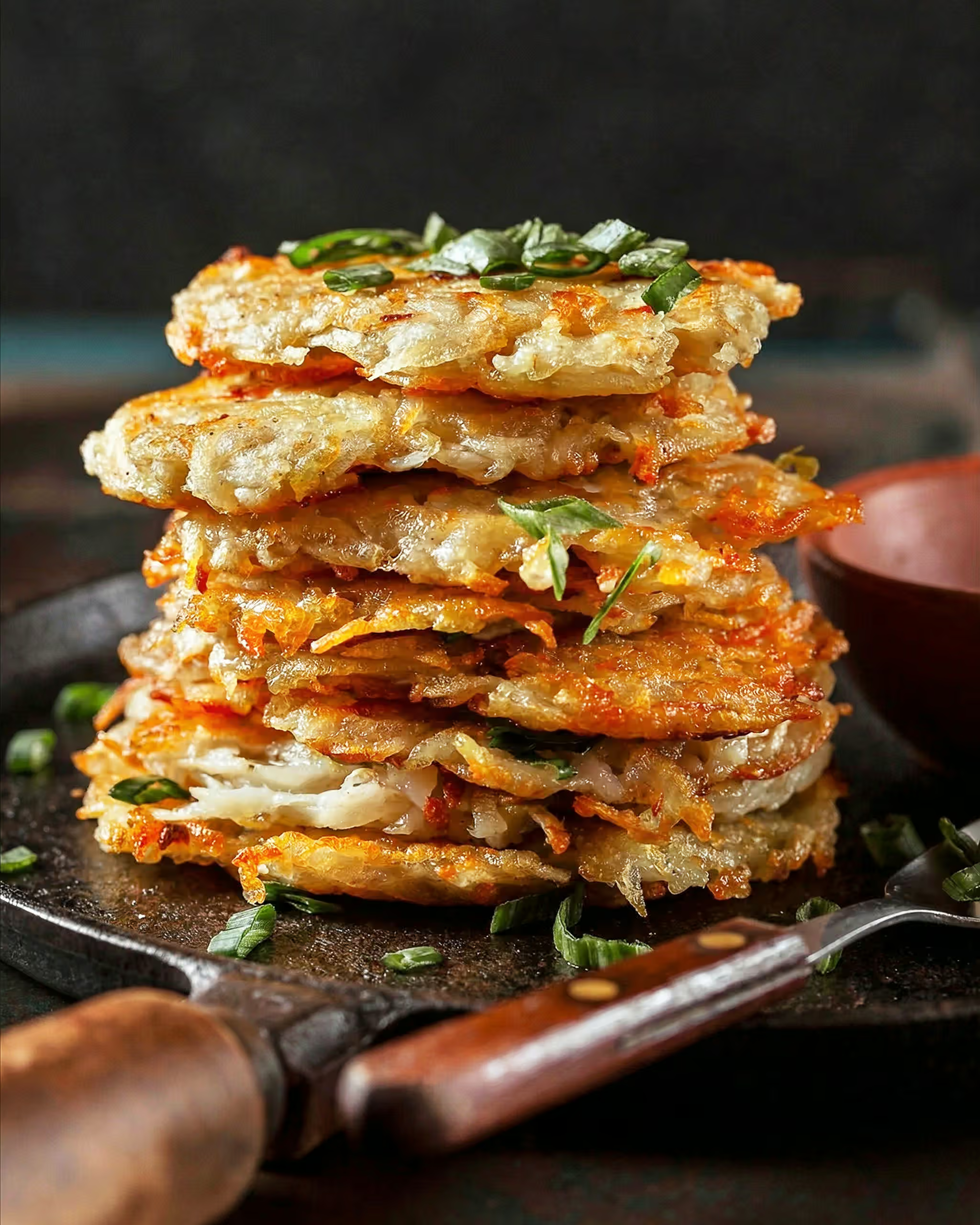
I still remember Saturday mornings from my childhood – the sound of a cast iron skillet heating up, that smell filling the whole kitchen, and everyone slowly making their way in without anyone having to call them. Hash browns have that kind of pull. Nobody leaves until the plate is empty.
Many years later, weekend mornings at our home have their own version of that same rhythm. Slow coffee, no rushing, and almost always something good on the stove. Hash browns are a regular on that list, and so is my French toast, bakery-style blueberry muffins, one-rice cinnamon rolls and fluffy omelette. If I want something lighter, these cucumber sandwiches are a nice change of pace for a late brunch.
What Are Hash Browns?
Hash browns started as a simple way to use up leftover chopped potatoes – just fry them in a pan until golden, and you’re done. That’s really it. “Hash” simply means chopped, and “browns” tells you exactly what should happen next. If they’re still pale, we’re not done yet.
Depending on where you are in the world, you might know them as hash browns, hashed potatoes, rösti (the Swiss cousin), or even Latkes (the Jewish version). The idea is the same everywhere: potato + heat + a little patience = seriously satisfying breakfast.
Best Potatoes for Hash Browns
For the crispiest hash browns, I always go with high-starch potatoes. More starch means less moisture, and less moisture means a better, crunchier crust. In the US, that’s Russet or Idaho. In the UK, reach for Maris Piper or King Edward. In the EU, look for Agria or Bintje. And here in Australia, white potatoes (usually Sebago) are my top pick for proper crispiness.
Waxy potatoes like Yukon Gold or Desiree hold their shape naturally, but don’t crisp up as well. That said, this recipe already takes care of structure with the egg and flour, so I’d rather choose the type that gives me the best crust and let the recipe handle the rest. But honestly, if waxy potatoes are all I have, that’s not going to stop me from making hash browns.
One more thing: I know pre-shredded, store-bought hash browns are tempting on a busy morning, and I get it. But they’re usually treated with additives to prevent browning, and that can affect both flavor and crispness. Freshly grated potatoes take just a few extra minutes, and you really can taste the difference.
Best Hash Brown Seasoning
The beauty of hash browns is that they don’t need much. For this recipe, I keep it simple and classic – just salt, black pepper, and a little onion powder (and even that last one is optional).
I prefer onion powder over fresh one here because grated onion adds extra moisture to the mixture, which is exactly what we’ve been working so hard to get rid of. And if you use chopped onion instead, there’s a risk the little bits will burn before potatoes have a chance to crisp up. So onion powder gives you all the flavor with none of the trouble.
If you’d like to build on that base, you can play around with different spices and herbs. I’ll share a few of my favorite variations later in the post, but if you’re making these for the first time, start simple. The classic hash brown seasoning is classic for a reason.
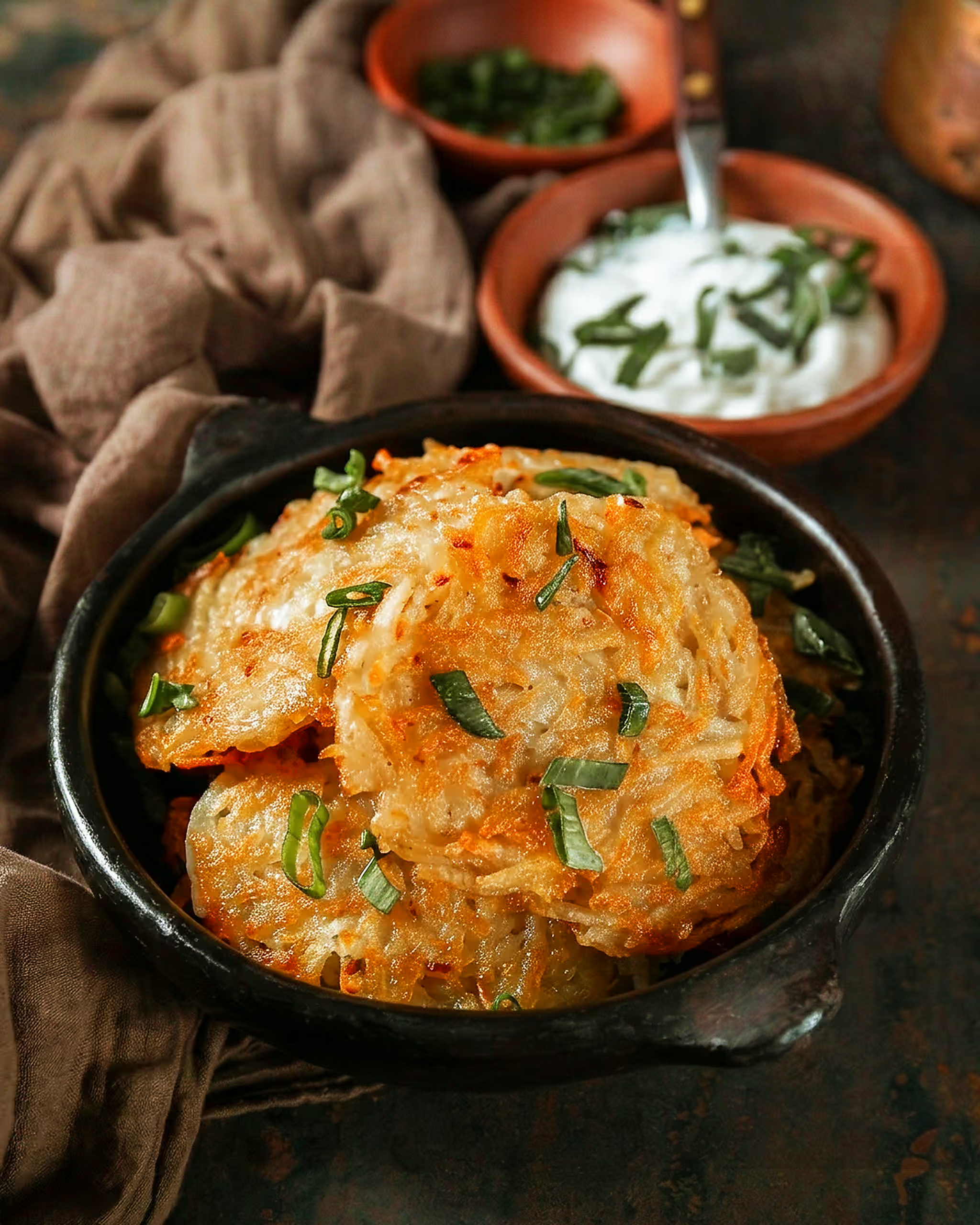
How to Make Hash Browns
Making hash browns really isn’t complicated. Just a few small steps, done with a little care, turn shredded potatoes into something golden and irresistible. Here’s how I do them from start to finish:
How to Prepare Potatoes
Peel your potatoes first, then grate them using either a food processor with a grater attachment or the large holes of a box grater. Both work great – go with whatever you have on hand.
One thing I’d strongly suggest: grate them right before you cook. Potatoes oxidize quickly, so the longer they sit, the more they discolor and release liquid. Fresh-grated is always the way to go.
How to Dry Potatoes for Hash Browns
This is the most important step in the whole recipe. And if you take nothing else from this post, take this: squeeze out as much water as you possibly can. Wet potatoes don’t fry – they steam. And that’s how you end up with pale, soft hash browns instead of that deep golden crust we’re after.
Here are a few ways of drying potatoes for hash browns – pick whichever works best for you:
- Kitchen or Tea Towel. Dump all shredded potato onto a clean cloth, gather the corners, and twist hard over the sink. This is my personal go-to method because it removes the most liquid in one go. Just don’t use your favorite white towel – potatoes can stain.
- Cheesecloth or Nut Milk Bag. Same idea as the towel, just a bit more delicate. Works really well if you already have one handy.
- Potato Ricer. Press shredded potatoes through in small batches. It’s slower, but honestly one of the most thorough methods.
- Salad Spinner. Spin potatoes through 3-4 cycles. It’s surprisingly effective if you have one sitting in the cupboard.
- By Hand. Grab a handful and squeeze over the sink, repeat until your hand gives up. The most low-tech method, and still gets the job done.
- Colander and Paper Towels. Place shredded potatoes in a colander over the sink, lay a few layers of paper towels on top, and press down firmly until the liquid pushes through. It’s a neat, low-mess option if you don’t feel like twisting a towel.
Whatever method you choose, keep going until no more liquid drips out. Potatoes should feel dry and almost fluffy – that’s when you know you’re ready to move on.
How to Season Hash Browns and Keep Them from Falling Apart
Once shredded potatoes are dry, it’s time to season and give them a little structure. One quick note: timing really matters here. I always add the seasoning right before cooking, especially the salt. Salt draws out moisture, so adding it too early slowly undoes all that squeezing work.
To help everything hold together, I use egg and flour in this hash browns recipe. Egg acts as a binder, and flour adds just enough structure to flip them confidently without making the inside heavy or dense. You won’t really taste either – they’re doing a job, not adding flavor.
If you’d rather skip the egg, a little extra flour or cornstarch works as a substitute. Just keep in mind that without any binder at all, shredded potatoes tend to spread and fall apart in the skillet.
Ways to Cook Hash Browns
Before we get into crispiness tips, it’s worth mentioning that there are two main ways to cook hash browns. Both are great – it just depends on what you’re going for:
Hash Brown Patties are individual portions. You can shape them into neat, uniform rounds or ovals with clean edges – like McDonald’s-style hash browns or frozen store-bought patties, or simply scoop the mixture straight into the skillet and flatten it slightly. I always go for the second option. It’s quicker, there’s nothing to fuss over, and those rough rustic edges get crispier than any neatly shaped patty ever could.
Diner Style Hash Browns mean spreading the entire mixture across the skillet in one even layer. It’s simple, fast, and perfect when you’re feeding a crowd without wanting to stand at the stove in batches.
Downsides? Flipping one big layer can be a little tricky. The easiest way to handle it is to cut it into sections first and flip each piece separately. You can also use a second spatula or slide it onto a plate and flip it back into the pan. And since one large layer means less exposed surface area, it won’t get quite as crispy overall.
If you’re cooking for a group but don’t want to sacrifice crispiness, a griddle is the answer – more space, patty-style results, no compromise.
Now I’m curious – are you a patties person or diner style? I’m firmly on team patties myself, but I’d love to hear where you land. Let me know in the comments!
How to Make Hash Browns Crispy
Everything we covered above sets you up for success – but what happens in the skillet matters just as much. Here’s what to pay attention to:
- Use the right skillet. A cast-iron skillet is the best choice by far. It holds heat evenly and gets hot enough to create that deep golden brown crust without burning the edges. A heavy non-stick skillet works too, though the crust won’t be quite as dramatic. And if you’re cooking a big batch, a griddle gives you more surface area so everything cooks at once.
- Get the heat right. Medium heat is the sweet spot. Too high and the outside burns before the inside cooks. Too low and potatoes just sit there absorbing oil and turning greasy. When you hear a steady, even sizzle as soon as they hit the skillet, you’re in the right zone.
- Use enough oil. You need about 3 tbsp of neutral oil for 2 large potatoes. Don’t be shy here – the oil is what conducts the heat and creates that crispy exterior. Too little, and hash browns stick and steam instead of fry.
- Don’t overcrowd the skillet. If you’re making hash brown patties, give each one space and cook in batches if needed. Crowding lowers the temperature and creates steam, which means less crispiness.
- Flatten them firmly. Use the back of a spatula to press each portion into a thin, even layer. The more contact with the skillet, the better crust.
- Don’t flip too early. When I first started making hash browns on my own, I was always so eager to get them on my plate that I’d flip way too early. They’d fall apart and never develop that deep golden crust I was hoping for. Leave patties completely undisturbed for 5-6 minutes, and diner style for 7-8. When the edges look deeply golden and hash browns release cleanly from the skillet, they’re ready. If they resist, give them another minute.
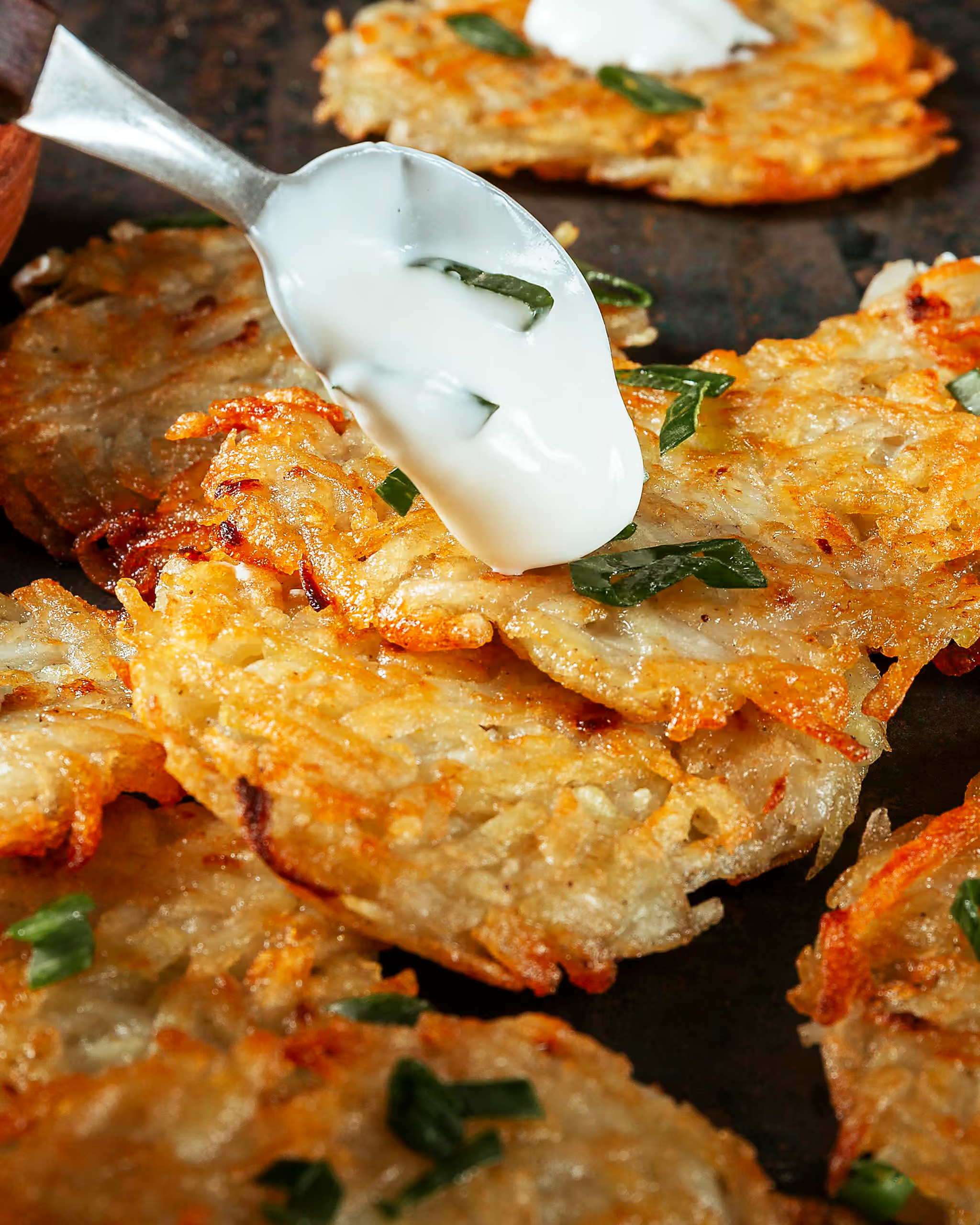
Top 5 Hash Browns Variations
I honestly could eat the classic version every single weekend and never get bored. But every now and then, I like to switch things up, and these are my top 5 variations I keep coming back to:
Cheesy Hash Browns
Mix ¼ cup of shredded Cheddar or grated Parmesan directly into the potato mixture before cooking. The cheese melts into the crust and creates those incredible crispy, golden edges. It’s very hard to go back once you’ve tried it.
Spicy Hash Browns
Add ¼ tsp of cayenne pepper and a pinch of red pepper flakes to the seasoning mix. It’s not overwhelming at all – just enough heat to wake everything up.
Smoked Hash Browns
Add ½ tsp of smoked paprika to the mix. It gives a subtle smoky depth that I never expected to love as much as I do. Really good alongside eggs.
Garlic Hash Browns
Stir ½ tsp of garlic powder into the base seasoning. Sounds simple, and it is – but the flavor difference is pretty hard to argue with.
Gluten-free Hash Browns
Swap the all-purpose flour for the same amount of cornstarch. Same result, no compromise, and no one will notice the difference.
Storing & Reheating
If you somehow end up with leftovers, hash browns keep well in the fridge for up to 3 days in an airtight container. They will lose some crispness as they sit, and that’s completely normal.
To bring that texture back, skip the microwave if you can. It heats them, yes, but it also makes them soft. Instead, warm hash browns in a skillet (cast iron is ideal) over medium heat for about 3-4 minutes per side until the crust crisps up again. You can also reheat them in the oven at 375°F (190°C) for 8-10 minutes if you’re doing a bigger batch.
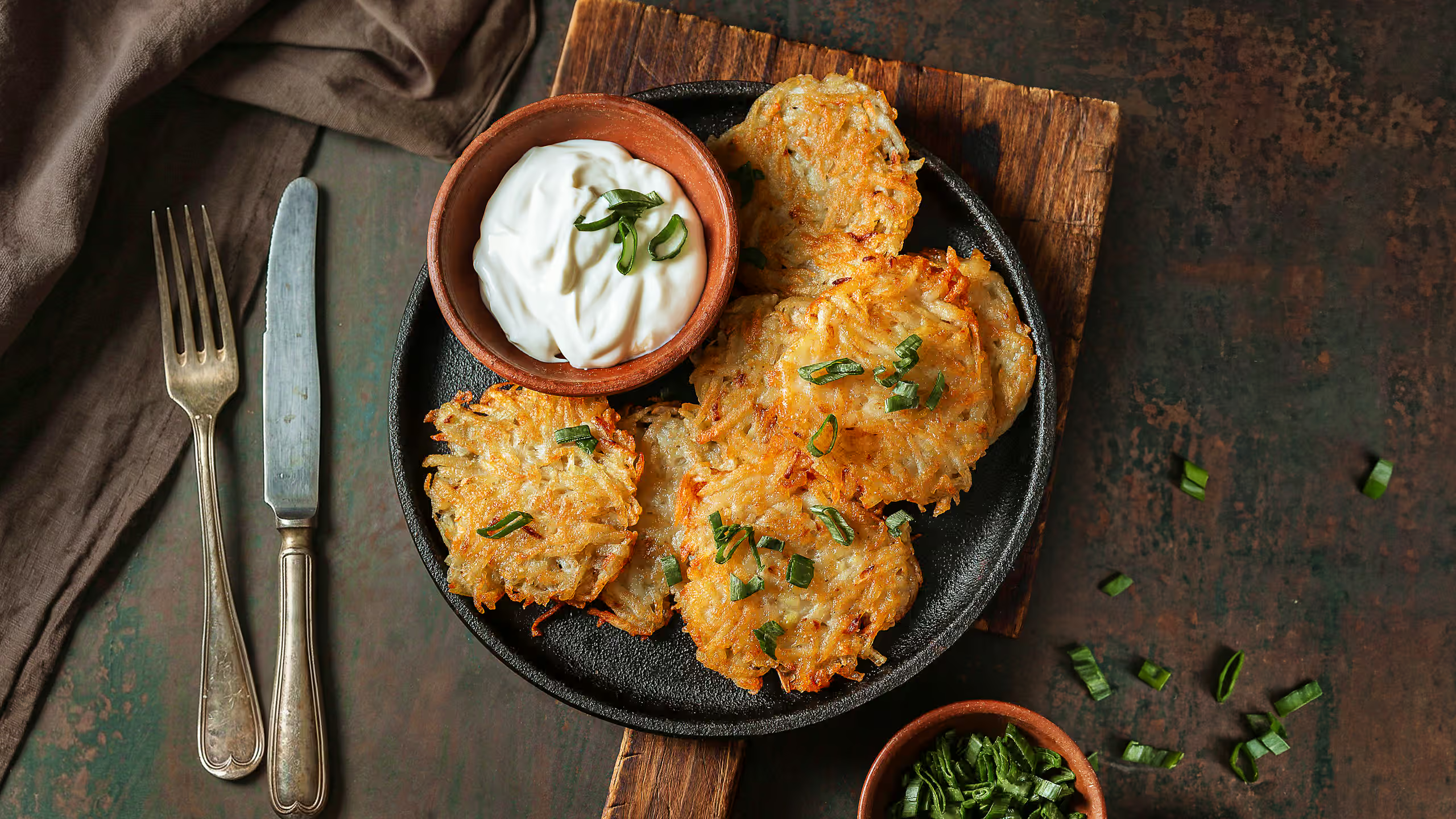

Crispy Hash Browns
Equipment
- Box Grater or Food Processor
- Large Mixing Bowl
- Cast-iron, Heavy Non-stick Skillet, or Griddle
- Spatula
- Cooling Rack(or Paper Towel)
- Tea Towel(optional)
Ingredients
- Potatoes(large, peeled)2 pcs
- All-purpose Flour1 tbsp
- Egg1 pc
- Neutral Oil(e.g., Canola, Avocado or Grapeseed Oil)3 tbsp
- Onion Powder(optional)½ tsp
- Salt¼ tsp
- Black Pepper¼ tsp
- Chives or Green Onions(optional, for garnish)1 tbsp
- Sour Cream(optional, for serving)¼ cup
Instructions
- Grate peeled potatoes using the large holes of a box grater or a food processor.
- Transfer shredded potatoes to a clean kitchen towel and squeeze firmly over the sink until no more liquid drips out. You can also use any of the other drying methods mentioned earlier in the post, just make sure potatoes feel dry and fluffy.
- Transfer dried, shredded potatoes to a large mixing bowl. Add the egg, flour, onion powder, salt, and black pepper. Mix everything together until evenly combined.
- Heat the neutral oil in a skillet over medium heat until shimmering.
- Spoon the mixture into the skillet to form patties, or spread it into one even layer for diner-style hash browns. Press down firmly with a spatula to create a thin, even surface.
- Cook undisturbed for 5-6 minutes for patties or 7-8 minutes for diner-style hash browns until deeply golden. Flip and cook the same amount of time on the other side until fully crisp.
- Transfer hash browns to a cooling rack and let them rest for 1-2 minutes to let the steam escape and keep the crust crisp. Alternatively, you can place them on a paper towel-lined plate for a minute instead, though the texture will be softer.
- Garnish with chopped chives or green onion if using, and serve immediately with sour cream on the side if you like. Enjoy!
Notes
Dry potatoes thoroughly. This is the most important step in the whole recipe. Squeeze out as much liquid as you possibly can – the drier potatoes, the crispier the result.Salt at the right moment. Add the salt right before cooking. It pulls moisture to the surface, so if you add it too early, it gradually reverses all that squeezing you just did.Preheat the skillet first, then add the oil. Starting with a hot skillet helps potatoes begin frying immediately, which gives you a better crust. Let the oil heat until it shimmers before adding potatoes.Medium heat only. Too high and the outside burns before the inside cooks through. Too low and potatoes sit in the oil and turn greasy instead of crispy.Don’t overcrowd the pan. Cook in batches if needed – crowding drops the temperature and creates steam, which works against everything you’re trying to achieve.Don’t rush the flip. Hash brown will let you know when it’s ready – golden edges and a clean release from the skillet. A little resistance means it needs more time.Nutrition Information
Serving Size: 248 g
| PER SERVING | AVG. QTY* | %DV** |
|---|---|---|
| Calories | 338 kcal | 17% |
| Protein | 8.5 g | 17% |
| Fat | 15.5 g | 24% |
| Saturated | 5 g | 25% |
| Unsaturated | 10.5 g | 26% |
| Carbohydrate | 42.5 g | 14% |
| Dietary Fiber | 5 g | 20% |
| Sugars | 3 g | 3% |
| Sodium | 324 mg | 14% |
| Cholesterol | 55 mg | 18% |
* Nutritional values are approximate and provided for general guidance only. Actual values may vary depending on ingredients and exact quantities used.
** Percent Daily Values are calculated based on a standard 2,000-calorie daily diet. Individual nutritional needs may differ depending on personal calorie requirements.
Share with Friends
Good food is better when shared. It also helps us create more recipes for you.
Frequently Asked Questions
How to make hash browns?
To make hash browns, grate potatoes and squeeze them very dry. Mix with egg, flour, and seasoning, then fry in a skillet with oil until golden and crisp on both sides.
How to make hash browns crispy?
For the crispiest hash brows, dry potatoes thoroughly, use a hot skillet, and cook over medium heat without flipping too early. Leave them undisturbed until deeply golden before turning.
What are hash browns?
Hash browns are shredded or finely chopped potatoes cooked in a skillet until golden and crispy on the outside while staying tender inside.
Why are hash browns called hash browns?
The word “hash” means chopped, and “browns” refers to the golden color they develop when fried. The name simply describes chopped potatoes cooked until nicely browned.
What are hash browns made of?
Hash browns are made from shredded potatoes. In this recipe, they’re mixed with egg, flour, and simple seasonings to help them hold together and get extra crispy.
What are the best potatoes for hash browns?
High-starch potatoes are the best choice: Russets in the US, Maris Piper in the UK, Agria or Bintje in the EU, and white Sebago in Australia. Waxy potatoes work, but they won’t get quite as crispy.
How to prepare potatoes for hash browns?
Preparing potatoes for hash browns starts with peeling them, then grating with a box grater or food processor. The most important step is removing as much moisture as possible before cooking.
How to season hash browns?
Season with salt, black pepper, and a little onion powder right before cooking. Adding salt too early draws out moisture, so it’s best to mix everything in just before potatoes hit the skillet.
How long to cook hash browns?
Cook hash brown patties for 5-6 minutes per side, or 7-8 minutes per side for diner-style. Flip only when the bottom is deeply golden and releases easily from the skillet.
How to make hash brown patties?
Shape the potato mixture into small rounds or ovals, place them in a hot, oiled skillet, flatten gently, and cook undisturbed until golden and crisp on both sides.


2 comments