
Homemade cinnamon rolls are one of the most irresistible treats – soft, fluffy, perfectly swirled, with cream cheese icing that melts straight into every fold. This recipe comes together in a little over an hour, no overnight planning, no cutting corners on texture. Just rich, bakery-style cinnamon rolls from scratch, easy enough to make any time, not just for special occasions. Once you make these, store-bought rolls won’t even cross your mind.
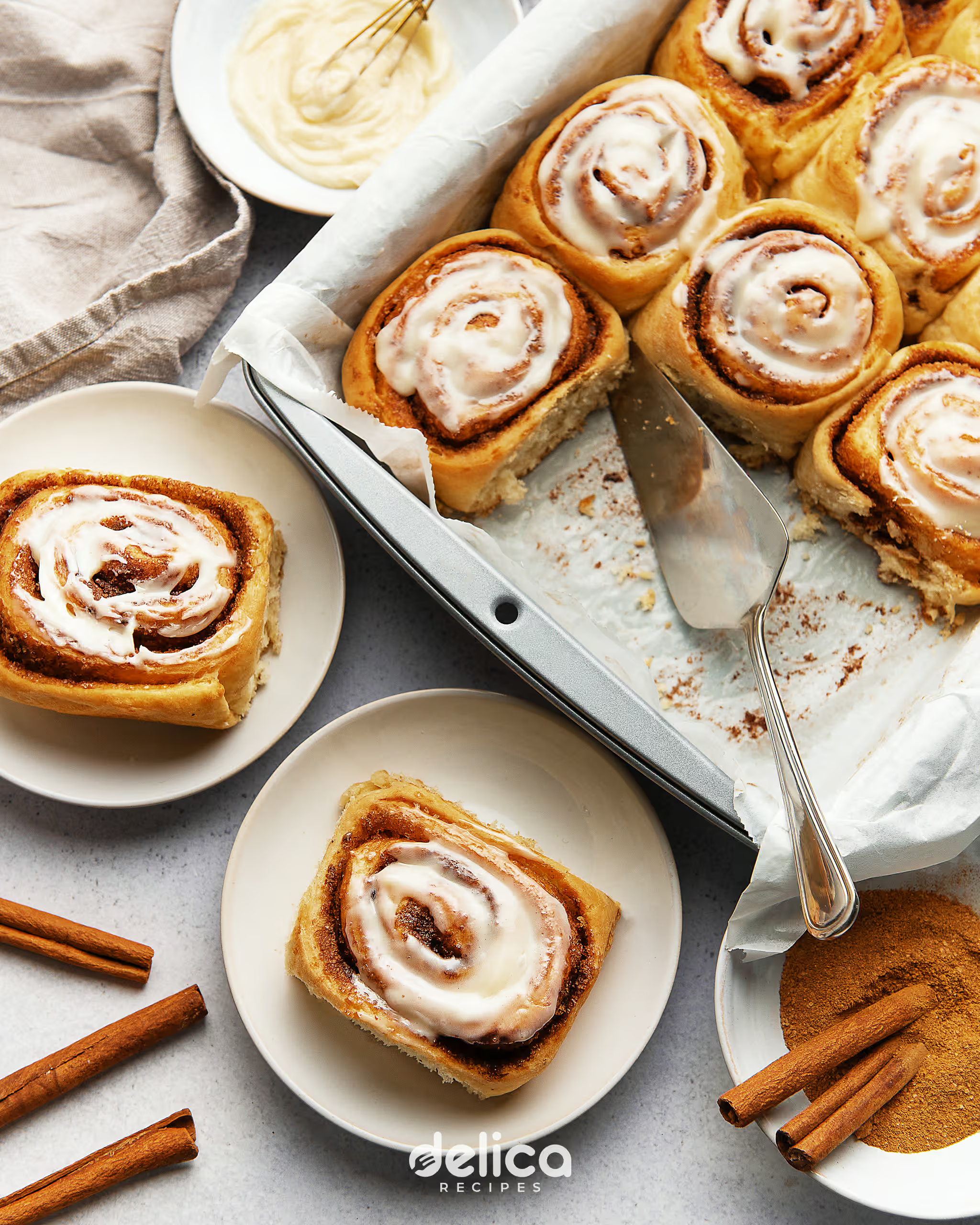
I spent a long time developing what I truly believe is the best cinnamon roll recipe – one that actually fits into real life. Most traditional cinnamon rolls need 2-3 hours to rise, sometimes even overnight. I kept refining the method until I landed on a version that rises in just 30 minutes – no matter how warm or cold your kitchen is – without sacrificing flavor or texture. The rolls come out soft, pillowy, and perfectly gooey, with rich cinnamon in every swirl.
Because they’re so quick and reliable, these cinnamon rolls have become something I make far more often than just for holidays – though on lazy weekend mornings when I want something just as comforting but a little simpler, I usually make my French toast, crispy hash browns, hearty omelette, or bakery-style blueberry muffins. When I’m putting together a brunch spread for friends, cucumber sandwiches are always on the table. And around the holidays like Christmas or Easter, my deviled eggs almost always make an appearance – they disappear every single time.
Cinnamon Rolls vs Cinnamon Buns – What’s the Difference?
Cinnamon rolls and cinnamon buns – same delicious pastries, but different name and subtle difference depending on where you live. They actually originated in Sweden, where kanelbullar have been a coffee-break staple flavored with cardamom for a hundred years and still celebrated every year on October 4th – yes, Sweden has an entire national day dedicated to them.
From there the idea spread everywhere: Australia calls them scrolls, Denmark calls them kanelsnegle (“cinnamon snail”), and in the US they got bigger, fluffier, and crowned with cream cheese frosting – and honestly, no complaints there. For this recipe, I’m going full American-style: soft, pillowy dough, a generous cinnamon-brown sugar swirl, and cream cheese icing. Call them rolls, buns, or scrolls – what really matters is that they taste incredible.
Why This Cinnamon Rolls Recipe Is Worth Making
I’ve tested a lot of cinnamon rolls recipes. Most of them were good, some of them took half a day and still didn’t feel worth it. But this one is the reason I stopped looking. Here’s why:
- It’s soft, fluffy, and perfectly gooey – enriched dough made with whole milk, egg, and butter gives every roll that pillowy, melt-in-your-mouth texture with a thick cinnamon filling running through every swirl.
- One quick rise only – no long waits, no overnight planning, no several rises. Just 30 minutes from mixing to the oven, without planning your entire day around it.
- Beginner-friendly – if you have never worked with yeast before, this recipe is a great place to start. The dough is soft but manageable, so it’s easy to roll, fill, and shape.
- Make-ahead and freezer-friendly – prep them in advance, bake a full batch and freeze them for later. They reheat beautifully, so you always have something homemade ready when you need it.
- Perfect for any occasion – quick enough for a regular weekend breakfast, impressive enough for a holidays table, and just right for a brunch with friends. They feel special, yet simple enough to bake anytime you feel like it.
Ready to make them? Let’s start with what you’ll need.
Homemade Cinnamon Rolls Ingredients
The ingredient list is simple and built from basics you probably already have. I’ve split them into three parts – dough, filling, and icing – so it’s easy to follow along as you go.
Cinnamon Roll Dough Ingredients
This is where the structure and softness come from, so here’s what you need for that perfect cinnamon roll dough:
Milk. I always use whole milk for this dough. The extra fat makes rolls come out richer and more tender than anything I’ve tested with lower-fat milk.
Sugar. I divide it between the yeast mixture and the dough itself. A small amount helps feed the yeast, and the rest adds a gentle sweetness to the dough. Not enough to make it dessert-sweet on its own – that is the filling’s job.
Yeast. There are two types you’ll come across: instant and active dry. Both work well here, but instant yeast is more finely milled and gets going faster, while active dry needs to be dissolved in warm liquid first.
In this recipe, I use instant yeast, but I still let it sit in warm milk for a few minutes before mixing the dough. It takes almost no extra time and tells me straight away that the yeast is active and ready to go.
Egg. Adds richness and helps the dough hold its structure. I always take the egg out of the fridge about 30 minutes before I start – a cold egg can cool the dough down and slow the yeast down.
Butter. I prefer to use unsalted one so I can control the salt level myself. For the dough, I melt it rather than using it softened – melted butter incorporates into the dough more evenly and keeps it soft and easy to work with.
Flour. The best flour for cinnamon rolls, from everything I’ve tested, is all-purpose. Bread flour adds more chew and structure, which some people love, but for soft, pillowy rolls all-purpose wins every time.
Salt. Just half a teaspoon, but it balances the sweetness and brings out every other flavor. Do not skip it.
Cinnamon Filling Ingredients
Just three simple ingredients – and honestly, this is the heart of the whole recipe.
- Butter. Softened this time, not melted. Melted butter tends to run and can seep out when you cut and handle the rolls. Softened butter stays exactly where you spread it, keeping the filling locked into every layer.
- Sugar. I always use brown sugar for the filling, never white. The molasses gives that deeper, almost caramel-like warmth that makes cinnamon rolls taste like cinnamon rolls. Light or dark both work – I usually go for dark, but use whatever you have.
- Ground Cinnamon. The star of the whole recipe. I don’t hold back on the amount – every layer should genuinely taste of warm spice, not just a hint of it.
Cream Cheese Icing Ingredients
Only four ingredients – and honestly, this icing alone is reason enough to make these cinnamon rolls:
- Cream Cheese. The slight tang of cream cheese balances the sweetness of the rolls in a way that a plain sugar glaze simply can’t. I always use full-fat for the richest result.
- Butter. Same softened butter as before. It lightens the icing and gives it a smooth, spreadable consistency.
- Powdered Sugar (also sold as icing sugar or confectioners’ sugar). Trust me, don’t swap this for regular granulated sugar. It won’t dissolve properly and you’ll end up with a gritty icing. Powdered sugar blends in smoothly and gives you that thick, creamy consistency that melts perfectly into warm rolls.
- Vanilla Extract. Just a teaspoon, but it rounds out the flavor and adds warmth.
Got everything? Good. Now let’s turn these ingredients into something incredible.
How to Make the Best Cinnamon Rolls
Getting this recipe right took a lot of experimenting, and every batch taught me something. Here’s what I discovered along the way:
How to Activate Yeast
As I mentioned in the ingredients section, I use instant yeast for this recipe. And even though it doesn’t technically need blooming, I still warm the milk to around 100°F (40°C) and stir in a tablespoon of sugar before adding the yeast. After 5-10 minutes, the mixture should look slightly foamy or bubbly – a quick check that it’s active before you move on with the dough.
One thing worth keeping in mind: milk temperature matters more than it seems. Too hot can kill the yeast, too cool and it stays sluggish. A quick-read thermometer is helpful here, but if you don’t have one – it should feel like warm bath water, not hot tea.
How to Make Cinnamon Roll Dough
I really like how simple this yeast cinnamon roll dough is to make. It comes together easily by hand – no stand mixer needed. Once your yeast mixture is foamy, whisk in the remaining sugar, egg, and melted butter – make sure the butter has cooled slightly first, as too-hot butter can knock back the yeast just like hot milk can. Then stir in the flour and salt until a soft dough forms.
Turn it out onto a lightly floured surface and knead for 3-5 minutes until smooth and slightly tacky – it should spring back gently when you poke it.
If the dough is sticking to everything, I add flour one tablespoon at a time. If the dough feels too dry and stiff, just wet your hands slightly and keep kneading – it will soften up. The dough should stay on the softer side – over-flouring is the most common reason cinnamon rolls turn out dense.
How to Roll, Fill, and Shape Cinnamon Rolls
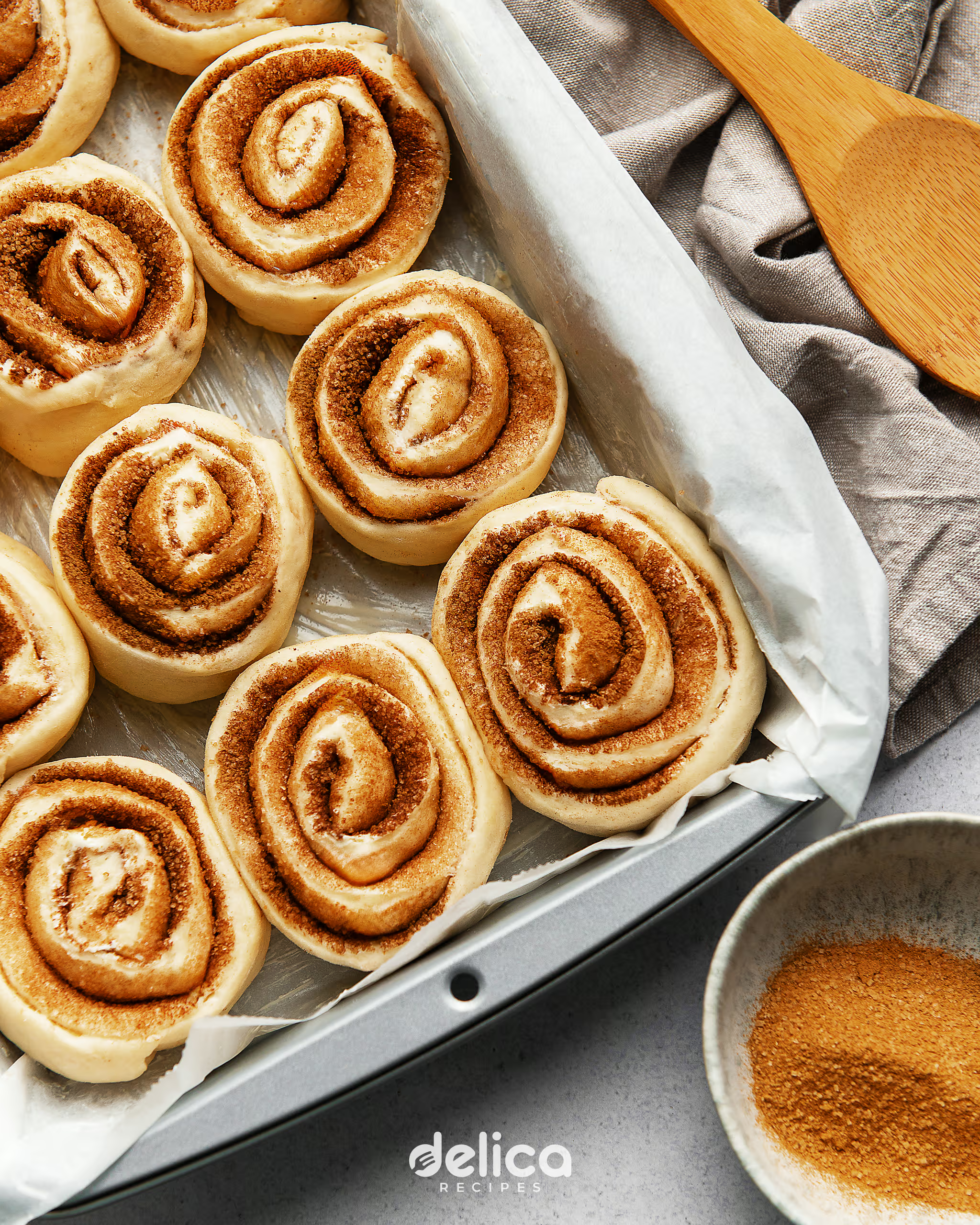
This is the part I find genuinely satisfying – watching a plain piece of dough turn into something that already looks incredible before it even hits the oven. Roll it out into a 12×16 inch (30×40 cm) rectangle on a lightly floured surface, trying to keep the edges as straight as possible so you end up with even rolls.
Spread the softened butter all the way to every single edge, then sprinkle the cinnamon-sugar mixture evenly over the top. Starting from one of the long edges, roll the dough up as tightly as you can. I cannot stress this enough – a loose roll means the layers separate during baking and you lose all that beautiful filling between the swirls.
For cutting, I reach for a sharp knife – it’s already on my counter and works perfectly well. I tried unflavored dental floss as well, it gives you a slightly cleaner cut right away since it doesn’t squeeze the dough at all, while a knife compresses it just a little. But here’s the thing – after the rise, you genuinely cannot tell the difference. So no need to hunt through the bathroom cabinet before you bake.
How to Rise Cinnamon Rolls Quickly
This is where the recipe saves the most time. I preheat the oven to 100°F (40°C), turn it off, cover the baking dish with foil, and place it inside. That gentle residual warmth is all the dough needs – it puffs up beautifully in just 30 minutes every single time.
If you’d rather skip the oven method, you can leave the covered dish at room temperature instead – allow 1 to 1½ hours, until the cinnamon rolls look visibly puffed and are just starting to touch each other.
How Long to Bake Yeast Cinnamon Rolls
Once the rolls have puffed up, take them out and preheat the oven to 350°F (175°C). Bake for 20-25 minutes until lightly golden on top and just set in the center.
The biggest mistake I made with my first few batches was leaving them in too long. It’s tempting to wait for a deeper golden color, but that’s exactly when they start to dry out. Pull them while the centers still look slightly soft – they firm up as they cool, and that’s what keeps them tender and gooey rather than dry and bready.
How to Make the Best Cream Cheese Icing
The icing is simple, but there are two things I always do. First, both the cream cheese and butter need to be fully softened – cold cream cheese is harder to smooth out and can leave the icing slightly lumpy. Once they’re soft, I usually use a hand mixer to get a smooth texture quickly. A whisk works too if that’s what you have, it just expect a bit more elbow grease.
Second, I spread it over the rolls while they’re still warm. Not piping hot, but warm. That way it melts slightly into every fold rather than sitting stiffly on top – and that moment when the icing starts pooling into the swirls is honestly one of my favorite parts of making these.
If the icing feels too thick to spread, add a teaspoon of milk at a time until it loosens to a soft, spreadable consistency.
Once you’ve made these once, you’ll see how quick and easy homemade cinnamon rolls from scratch really are. And if you want to plan ahead or save some for later, here’s how.
Make-Ahead & Storage Tips
Whether you’re planning ahead for a holiday or just trying to save a batch for later, here’s what I’ve found works best.
- Make ahead: This is my go-to when I want fresh-baked rolls in the morning without the early wake-up. Just shape the rolls the night before, cover the dish tightly with plastic wrap, and leave them in the fridge overnight – up to 12 hours. The next morning, take them out and let them finish rising at room temperature 30-60 minutes before baking as usual.
- Storing leftovers: I keep baked rolls in an airtight container – up to 2 days at room temperature or up to 4 days in the fridge. To reheat, 20-30 seconds in the microwave is usually all they need. For a slightly better result, wrap them in foil and warm in a 300°F (150°C) oven for about 10-15 minutes.
- Freezing: I always freeze baked cinnamon rolls without icing – it doesn’t hold up well after freezing. Place them in a single layer until solid, then transfer to a freezer bag for up to 3 months. When ready to eat, thaw overnight in the fridge or at room temperature, reheat covered in foil in a 300°F (150°C) oven for about 10-15 minutes, and add fresh icing just before serving.
These cinnamon rolls are honestly best the day they are baked – warm from the oven with icing just melting in. So go ahead, give them a try!
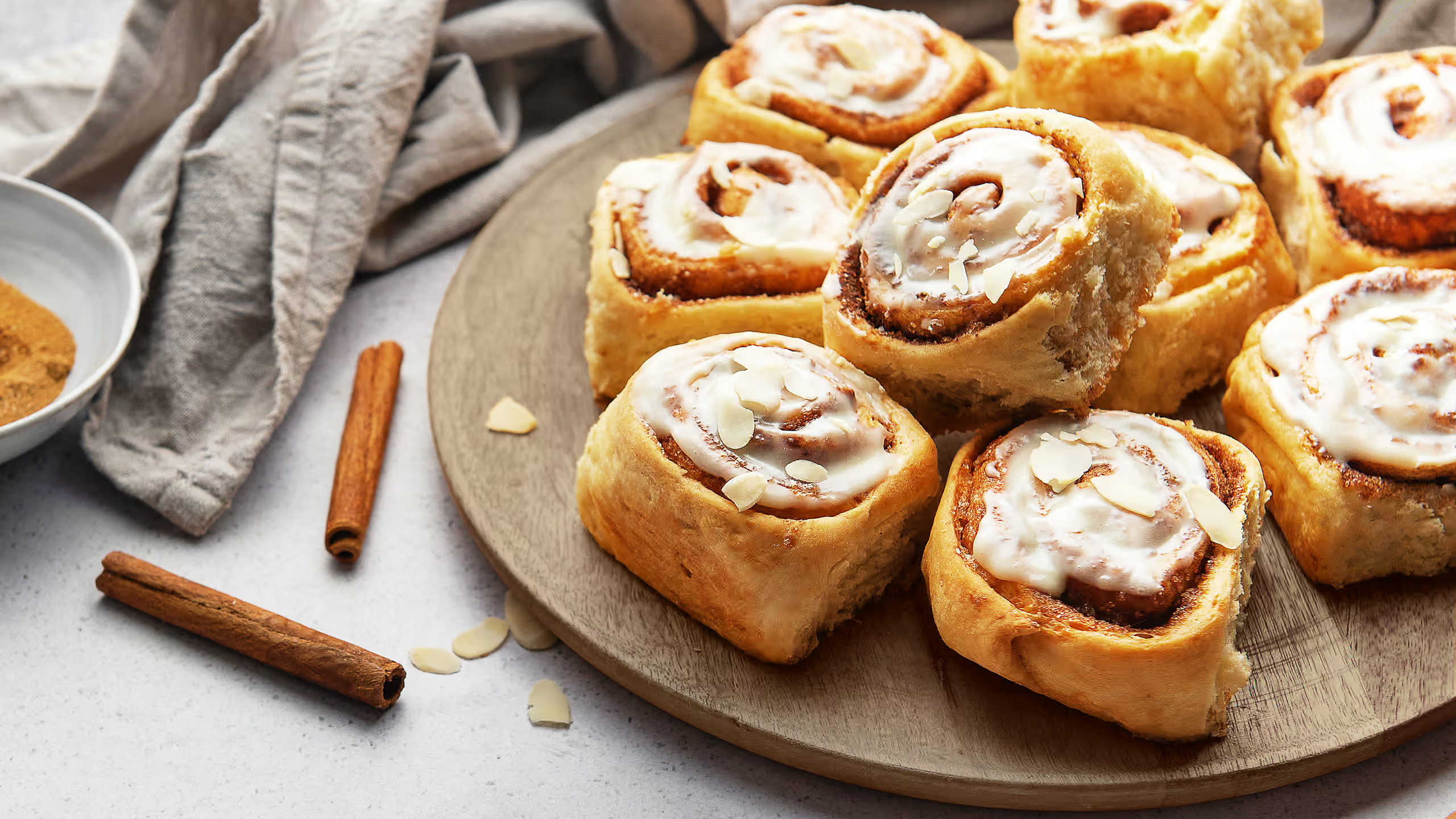

Cinnamon Rolls
Equipment
- Mixing Bowls(large and small)
- Baking Dish(9×13 inch)
- Rolling Pin
- Sharp Knife
- Aluminum Foil
- Parchment Paper(optional)
- Hand Mixer(optional for icing)
- Instant-read Thermometer(optional but helpful)
Ingredients
For Cinnamon Rolls Dough
- Whole Milk1 cup
- Sugar(divided)¼ cup
- Instant Yeast2 ¼ tsp
- Large Egg(at room temperature)1 pc
- Unsalted Butter(melted)4 tbsp
- All‑Purpose Flour(plus for dusting)3 cups
- Salt½ tsp
For Cinnamon Rolls Filling
- Unsalted Butter(softened)5 tbsp
- Brown Sugar(packed)⅓ cup
- Ground Cinnamon1 ½ tbsp
For Cream Cheese Icing
- Cream Cheese(softened)4 oz
- Unsalted Butter(softened)2 tbsp
- Powdered Sugar⅔ cup
- Vanilla Extract1 tsp
Instructions
- Warm the oven for proofing. Preheat the oven to 100°F to create a warm environment for the dough to rise.
- Bloom the yeast. Microwave the milk in short bursts until it reaches about 100°F or feels warm, not hot. Whisk in 1 tbsp of sugar, then add the instant yeast. Let sit for 5-10 minutes until slightly foamy and bubbly.
- Mix the dough. Add the remaining sugar, egg, and melted butter (cooled slightly) to the yeast mixture and whisk to combine. Stir in the flour and salt until a soft dough forms.
- Knead the dough. Transfer the dough to a lightly floured surface and knead for 3-5 minutes until smooth and slightly tacky. It should spring back gently when pressed. If it’s too sticky to handle, add flour one tablespoon at a time. Keeping the dough soft helps create lighter rolls.
- Make the filling. In a small bowl, mix the brown sugar and cinnamon until evenly combined.
- Roll and fill the dough. On a lightly floured surface, roll the dough into a 12×16 inch rectangle. Spread the softened butter evenly over the surface, then sprinkle the cinnamon-sugar mixture across the dough.
- Shape the rolls. Roll the dough tightly from the long side into a log. Cut into 12 equal pieces with a sharp knife and place them cut-side down in a greased baking dish or one lined with parchment paper.
- Quick rise. Turn off the oven. Cover the baking dish with foil and place inside the warm oven. Let the rolls rise for about 30 minutes, until puffed and beginning to touch each other.
- Bake. Remove the rolls from the oven and preheat it to 350°F. Remove the foil and bake for 20-25 minutes, until lightly golden on top and set in the center.
- Make the icing. While the rolls bake, beat the cream cheese and butter until smooth, then mix in the powdered sugar and vanilla until creamy.
- Finish and serve. Spread the icing over the rolls while they’re still warm so it melts slightly into the swirls. Serve immediately.
Notes
Milk temperature matters. It should feel warm, not hot. Too hot can kill the yeast, too cool and it won’t activate properly.Always check the yeast. If it doesn’t look slightly foamy and bubbly after 5-10 minutes, something is off. Most often it’s either expired yeast or milk that was too hot or too cold.Use room temperature ingredients. Cold ingredients can slow the yeast and affect the dough texture.Keep the dough soft. It should feel slightly tacky, not dry. Adding too much flour is the main reason cinnamon rolls turn out dense.Don’t overbake. Pull them when lightly golden. The centers should still look slightly soft – they’ll finish setting as they cool.Ice while warm, not hot. This lets the icing melt into the swirls without completely disappearing.Adjust icing consistency if needed. If it’s too thick, add a little milk until it spreads easily.Nutrition Information
Serving Size: 85 g
| PER SERVING | AVG. QTY* | %DV** |
|---|---|---|
| Calories | 324 kcal | 16% |
| Protein | 5 g | 10% |
| Fat | 15 g | 23% |
| Saturated | 9 g | 45% |
| Unsaturated | 6 g | 15% |
| Carbohydrate | 42 g | 14% |
| Dietary Fiber | 2 g | 8% |
| Sugars | 18 g | 20% |
| Sodium | 120 mg | 5% |
| Cholesterol | 56 mg | 19% |
* Nutritional values are approximate and provided for general guidance only. Actual values may vary depending on ingredients and exact quantities used.
** Percent Daily Values are calculated based on a standard 2,000-calorie daily diet. Individual nutritional needs may differ depending on personal calorie requirements.
Share with Friends
Good food is better when shared. It also helps us create more recipes for you.
Frequently Asked Questions
How to make cinnamon rolls?
Make cinnamon rolls by preparing a soft yeast dough, knead briefly, roll with cinnamon filling, cut into rolls, let them rise until puffed, bake, then ice while warm.
What is the best flour for cinnamon rolls?
All-purpose flour is the best choice for cinnamon rolls. It gives a soft, fluffy texture without making the dough too chewy, unlike bread flour which creates a firmer result.
How long to bake cinnamon rolls?
Bake cinnamon rolls for 20-25 minutes at 350°F (175°C), until lightly golden on top and just set in the center – they finish cooking as they rest. Overbaking is the most common reason they turn dry.
How to make cinnamon roll dough?
To make soft cinnamon roll dough, combine warm milk, sugar, and yeast, allowing it to foam before mixing in egg, butter, flour, and salt. Knead briefly until smooth and slightly tacky.
Can cinnamon rolls be frozen?
Yes, freeze baked rolls without icing in a single layer until solid, then transfer to a freezer bag for up to 3 months. When ready, thaw, reheat, and add fresh icing before serving.
Why didn’t my cinnamon rolls rise?
Cinnamon rolls usually don’t rise because the yeast wasn’t active or the dough was too cold. Check that the yeast foamed before mixing and that the dough rose in a warm environment.
Why are my cinnamon rolls dry?
Cinnamon rolls usually turn dry from overbaking or adding too much flour to the dough during kneading. Bake just until lightly golden and keep the dough soft rather than stiff.


2 comments