Omelette is one of those breakfasts that sounds simple until it’s 7am, you’re half asleep, and all you want is a decent breakfast without juggling a pan, a spatula, and a dozen tiny techniques before you’ve even properly woken up. In that moment, you don’t need anything fancy. You need something quick, easy, and hearty that works. This recipe is exactly that: 12 minutes, 1 pan, 3 eggs, and a breakfast that makes you feel like the morning is already going your way.

I tested countless omelette variations before landing on this one – pull and tilt, shaking, flipping, lid on or lid off, milk, water, heavy cream, or nothing at all, different pans, different heat levels, and all kinds of fillings. All of it in pursuit of one thing: to find the best omelette recipe for me, one that works every single time, even on the sleepiest mornings when breakfast just needs to happen fast. This is the one. And if it’s already saved too many mornings for me, it felt worth sharing.
Of course, some mornings call for something different, and I have a whole lineup of favorites for exactly that – crispy hash browns, French toast, a slow batch of one rise cinnamon rolls, or bakery-style blueberry muffins prepped ahead for the whole week. But when I want something quick, savory, and actually filling – this omelette is the answer.
Why This Is the Best Omelette Recipe
For me, the best omelette recipe has to be something I can make quickly, trust completely, and still genuinely look forward to eating. That is exactly why this version earned its spot:
- It tastes like something you’d order at a café. Golden edges, buttery mushrooms, velvety eggs that melt in your mouth – every bite is rich, savory, and deeply satisfying.
- It doesn’t require any special technique. No egg-pulling, no pan-shaking, no flipping, no rolling into a perfect cylinder. The lid, added at the right moment, does the heavy lifting, and the result is a properly set, tender omelette every single time – no culinary school experience needed.
- It’s genuinely fast. 12 minutes from cold pan to plate. That includes cooking the mushrooms if you’re using them. I don’t know many breakfasts that can compete with that on a busy morning.
- The ingredients are as simple as it gets. No special shopping trip, no obscure additions – just a handful of simple everyday ingredients that come together into something far more satisfying than you’d expect.
- The filling options are endless. Mushrooms are my personal go-to, but there are so many delicious variations to explore – and I’ll be sharing my favorite combinations a little later in this post.
Ready to see exactly what goes into it? Let’s start with the ingredients.
Omelette Ingredients
Every ingredient in this easy omelette has a job, and none of them are there by accident. Here’s what you’ll need and why each one matters.
Eggs. They are obviously the base of the whole recipe. I use 3 large eggs because that gives me the kind of omelette I actually want to eat – substantial enough for one person, but still thin and tender enough to fold easily. For me, that is the sweet spot between too flat and too bulky.
Milk. I like adding a little milk to the eggs because it gives the omelette a more velvety texture instead of turning rubbery as it cooks. Just a little is enough here – too much and the eggs start feeling watery rather than delicate.
If you want something a touch richer and don’t mind it feeling slightly heavier, a splash of heavy cream works beautifully too. And if you need a dairy-free option, unsweetened non-dairy milk does the job just fine.
Mushrooms. Optional on paper, but honestly really hard for me to skip – they’re what make this omelette feel especially hearty and savory. I always use white button mushrooms, and I have a little trick that saves me a lot of time: I clean and slice them in advance, divide them into small portions, and keep them in the freezer.
A lot of people worry that freezing raw mushrooms ruins their texture – and I get it, I was skeptical too. But it genuinely comes down to how you cook them, and the method in this recipe handles frozen mushrooms just as well as fresh. Honestly, you’d barely tell the difference. And when those sleepy mornings hit, having them already prepped in the freezer means one less thing to think about.
Butter. Butter is what gives this omelette its golden edges and that rich, slightly nutty flavor. I prefer unsalted one so I can control the seasoning properly and not end up with eggs that taste heavier on salt than I wanted.
Fresh Herbs. Completely optional and totally skippable – this omelette is perfectly delicious without them. But if you happen to have a few chives, parsley, or thyme sitting in the fridge, a small pinch finely chopped and stirred into the eggs adds a nice little freshness.
Now that you know what you’re working with, let’s get into how to actually put it all together.

How to Make an Omelette
Making an omelette can sound deceptively tricky – you hear about pulling eggs from the edges, tilting the pan, shaking constantly, folding at exactly the right second, and suddenly a simple breakfast starts feeling weirdly high-pressure. That’s not what I want first thing in the morning, and it’s not what this recipe is about. Here’s what I found actually works best for me, and I hope it does for you too.
What’s the Best Omelette Pan
The right pan size matters more than most people expect. For a 1-2 egg omelette, 8 inches (20 cm) is the perfect fit, while 3-4 eggs call for 10 inches (25 cm) – and since I almost always make a 3-egg omelette, that’s what I reach for every time. With mushrooms or any other filling, that extra room lets everything spread into an even single layer. I’d skip 12 inches (30 cm) – the eggs end up spread too thin and overcook before you even get a chance to fold them.
For the surface, a nonstick pan is the easiest choice – the eggs release cleanly, the omelette folds without tearing, and the whole thing slides onto the plate without a fight. Cast iron can work too if it’s well-seasoned, though you’ll need a little extra butter to keep things moving smoothly.
And one more thing worth mentioning – a pan with sloped sides rather than straight ones makes the whole process noticeably easier. Those sloped sides let you slide the finished omelette directly onto the plate in one clean move, no awkward maneuvering needed.
How to Make an Omelette Fluffy
Omelette fluffiness isn’t one single trick – it’s a couple of small things working together. I always whisk the eggs until the mixture is completely smooth and slightly airy, no streaks of white or patches of yolk. It only takes about 30 seconds of good whisking, so there’s really no reason to skip it.
Then there’s the milk – just a small splash, but it makes the texture noticeably more tender and delicate. Two simple things, but they really do add up.
How to Make the Best Omelette
The biggest thing I learned through all my testing is that a few small details matter more than any fancy technique – and the best part is that everything happens in one pan, no extra plates or separate cooking required.
Start the mushrooms in a dry preheated pan over medium heat. I use fresh or frozen depending on what I have, and both work great. If using frozen, no need to thaw them first – I just give the bag a quick squeeze before opening to separate the slices if they’ve stuck together. Cook until they release their moisture, then keep going until that liquid fully evaporates – about 1-2 minutes for fresh, closer to 2-3 minutes for frozen.
Once the pan looks dry again, I add butter, salt, and pepper – and there’s a reason I wait until this moment. Adding butter to wet mushrooms would just make them steam, and what we want here is a proper golden sear. That’s when they turn deeply savory and honestly, that smell alone is worth getting out of bed for.
While the mushrooms are doing their thing, whisk the eggs until completely smooth. When the mushrooms are ready, drop the heat to low before the eggs go in – that’s the step I’d never skip. Low and slow is what keeps them tender and just set rather than tight and rubbery.
Pour the eggs over the mushrooms, cover with a lid, and leave it alone – no flipping needed, which means a lot less risk of tearing. If you’re adding cheese, I like to sprinkle it over one half only near the end – it melts just enough without taking over, and folding becomes so much easier.
Once the top looks mostly set with just a slight gloss in the center, that’s your cue. Loosen the edges gently and fold one half over the other. It’s calmer than it sounds, I promise.
That’s really all there is to it – simple, straightforward, and delicious every single time. Now let me share my favorite omelette variations, because the possibilities here are truly limitless.
Top 7 Omelette Ideas
One of the things I love most about omelettes is how flexible they are. Here are my top 7 variations to get you inspired:
Plain Omelette
Sometimes simple really is best. Just eggs, splash of milk, butter, salt, and pepper – nothing else. It sounds almost too minimal, but a well-made plain omelette with golden edges and a tender center is genuinely satisfying on its own. Great when you want something light and clean.
Mushroom Omelette
This is the recipe we’re making today, and my personal favorite. Properly browned butter mushrooms with tender eggs – savory, hearty, and deeply satisfying in a way that a plain omelette just isn’t. Add cheese if you want to take it even further.
Cheese Omelette
A close second for me, and honestly my go-to when I’m out of mushrooms. A handful of shredded cheddar or mozzarella melted over the eggs in the final minute of cooking adds a creamy, gooey layer that makes even the plain omelette feel indulgent. Hard to go wrong here.
Egg White Omelette
All the satisfaction of a regular omelette but made with egg whites only – lighter, lower in fat, and still really good when the filling is flavorful enough to carry it. Works especially well with herbs, spinach, or a little feta.
Chicken Omelette
Leftover cooked chicken is one of my favorite things to fold into eggs. Shredded or diced, it turns a breakfast omelette into something substantial enough for lunch or dinner without any extra cooking required.
Bacon Omelette
Crispy bacon and eggs are a classic pairing for a reason. Crumble some cooked bacon over the eggs before folding and add a little cheese – it’s indulgent and completely delicious.
Ham Omelette
Diced ham is one of the easiest fillings to keep on hand. It’s salty, slightly sweet, and pairs really well with cheese. A ham and cheddar omelette is one of those combinations that just works every single time.
I could honestly go on, but I’d love to hear from you – which variation sounds most appealing? Or do you have a favorite omelette filling I haven’t mentioned? Drop it in the comments below!
What to Serve with Omelette
What goes well alongside a great omelette really depends on when you’re serving it – and since I enjoy it at all different times of the day, I definitely have opinions on both.
Omelette for Breakfast
For breakfast, crispy potatoes are my personal favorite pairing – something about golden, crunchy hash browns next to a tender, buttery omelette just feels right.
And if you want something sweeter alongside to round out the whole meal, French toast or a freshly baked blueberry muffins with coffee are hard to beat. Honestly, that whole spread is my idea of a perfect breakfast – and I think everyone deserves to start their day that way at least once in a while.
Omelette for Dinner
Omelettes make a surprisingly satisfying dinner, and this is actually when I enjoy them most with something on the side. A simple green salad is always a good call – something like a beet salad or a strawberry spinach salad works beautifully here, light enough not to overpower the eggs but flavorful enough to make the whole plate feel complete.
On the heartier side, roasted vegetables are a natural match – roasted potatoes, carrots, or even cauliflower all pair really well with egg omelettes.
Now grab your pan and give this fluffy omelette a try – I have a feeling it might just become your new favorite 12-minute breakfast.
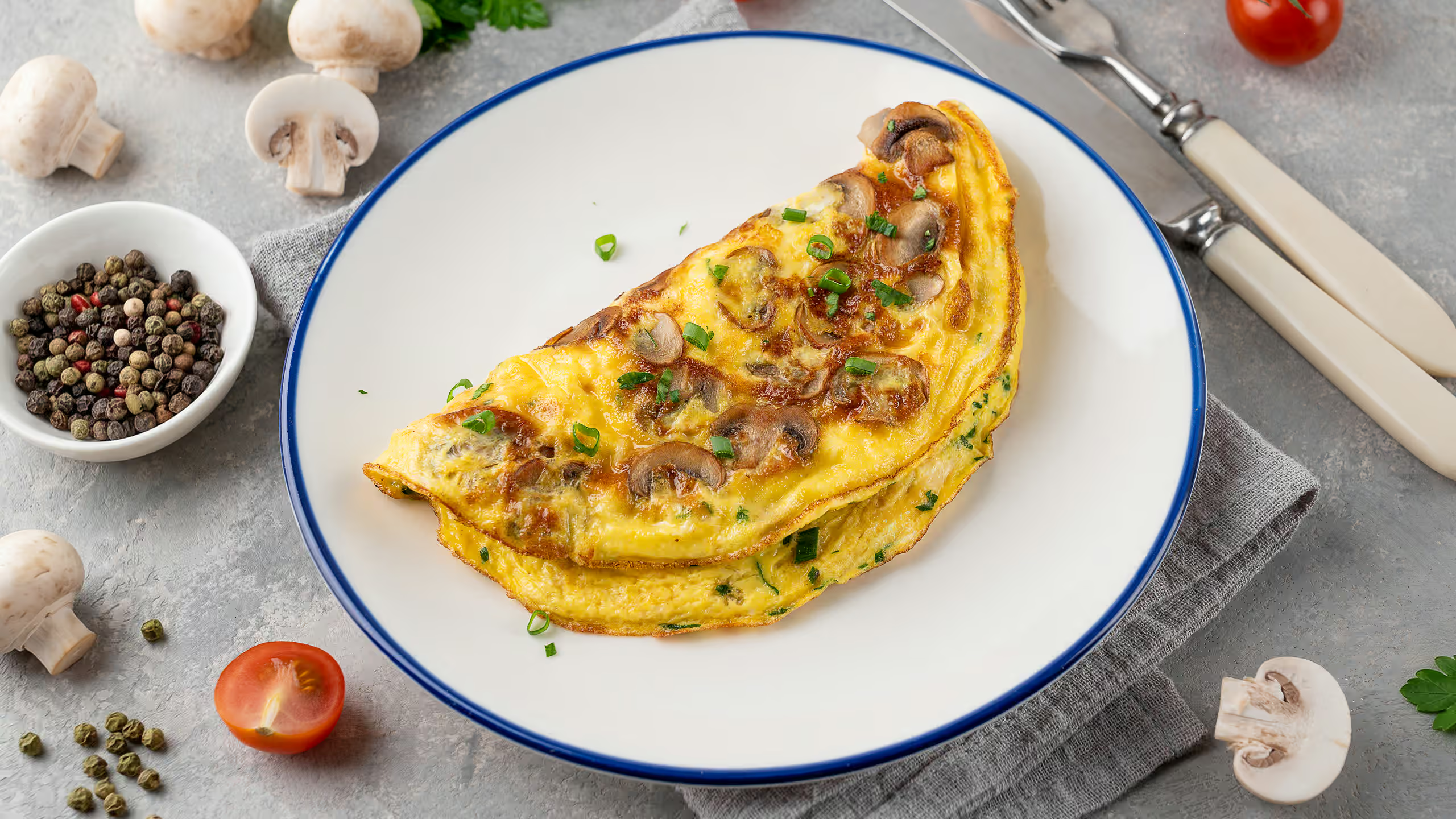

Omelette
Equipment
- 10 inch Nonstick Skillet with Lid
- Bowl
- Spatula
- Whisk
- Knife
- Cutting Board
Ingredients
- Unsalted Butter1 tbsp
- Mushrooms(sliced)4 oz
- Eggs(large)3 pcs
- Milk2 tbsp
- Salt(divided)¼ tsp
- Black Pepper⅛ tsp
- Fresh Herbs: Chives, Parsley or Thyme(finely chopped, optional)1 tsp
Instructions
- Heat a skillet over medium heat. Add the sliced mushrooms and cook until they release their moisture and the liquid fully evaporates – about 1-2 minutes for fresh or 2-3 minutes for frozen. Add the butter, half of the salt, black pepper, and cook for another 1-2 minutes until the mushrooms turn golden.
- In a bowl, whisk the eggs, milk, the remaining salt, and the chopped herbs, if using, until the mixture is completely smooth and evenly combined.
- Reduce the heat to low. Spread the mushrooms into an even layer, then pour the egg mixture over the top so it covers the pan evenly.
- Cover the skillet with a lid and cook for 3-4 minutes, until the omelette looks mostly set on top but still slightly glossy in the center.
- Gently loosen the edges with a silicone spatula, then fold one half of the omelette over the other. Slide it onto a plate and finish with extra herbs, if desired.
Notes
- A nonstick skillet makes the omelette much easier to fold without tearing.
- For a 3-egg omelette, a 10-inch (25 cm) pan gives the best balance of thickness and room for fillings.
- If using frozen mushrooms, there is no need to thaw them first. Just separate the slices if they are stuck together and cook until all the moisture has evaporated.
- Do not add the butter until the mushrooms have released their liquid and the skillet looks dry again. That is what helps them turn properly golden instead of steaming.
- Keep the heat low once the eggs go into the skillet. Gentle heat is what keeps the omelette tender instead of rubbery.
- Covering the pan helps the top set without flipping, which makes the omelette much easier to manage.
- If using cheese, sprinkle it over one half during the last 30 seconds so it has time to melt.
Nutrition Information
Serving Size: 290 g
| PER SERVING | AVG. QTY* | %DV** |
|---|---|---|
| Calories | 362 kcal | 18% |
| Protein | 23.5 g | 47% |
| Fat | 27.3 g | 42% |
| Saturated | 12.6 g | 63% |
| Unsaturated | 14.6 g | 37% |
| Trans | 0.1 g | |
| Carbohydrate | 6.3 g | 2% |
| Dietary Fiber | 1.2 g | 5% |
| Sugars | 4 g | 4% |
| Sodium | 823 mg | 36% |
| Cholesterol | 592 mg | 197% |
* Nutritional values are approximate and provided for general guidance only. Actual values may vary depending on ingredients and exact quantities used.
** Percent Daily Values are calculated based on a standard 2,000-calorie daily diet. Individual nutritional needs may differ depending on personal calorie requirements.
Share with Friends
Good food is better when shared. It also helps us create more recipes for you.
Frequently Asked Questions
How to make an omelette?
To make a classic omelette, whisk the eggs with salt and black pepper, cook them gently in a buttered pan over low heat, then fold once the top is mostly set.
How many eggs are in an omelette?
A standard omelette usually uses 2-3 large eggs. 2 work for a smaller meal, while 3 eggs are a better for omelettes with fillings because they fold more easily.
What to put in omelette?
Popular omelette fillings include mushrooms, cheese, herbs, bacon, chicken, and ham. Just do not overfill the omelette, or it becomes much harder to fold.
What is an omelet?
An omelet is a dish made by cooking whisked eggs, sometimes with a little milk or heavy cream, in a pan until set, then folding them plain or with cheese, meat, or vegetables.
What goes with omelette?
An omelette goes well with hash browns, toast, muffins, fresh salad, or roasted vegetables, depending on whether you serve it for breakfast or dinner.