


This roasted cauliflower recipe is quick and easy to make yet incredibly delicious. It’s unbelievable how a plain head of cauliflower can turn into something so crave‑worthy – crisp edges, a hint of nuttiness, and a deep, savory flavor. With only a few pantry staples, you’ll have a side dish that you can’t stop picking straight off the sheet.
If you enjoy dishes that feel effortless but deliver big on flavor, try my roasted potatoes, green beans Almondine or baked chicken drumsticks next – both share that same irresistible simplicity and bold flavor.
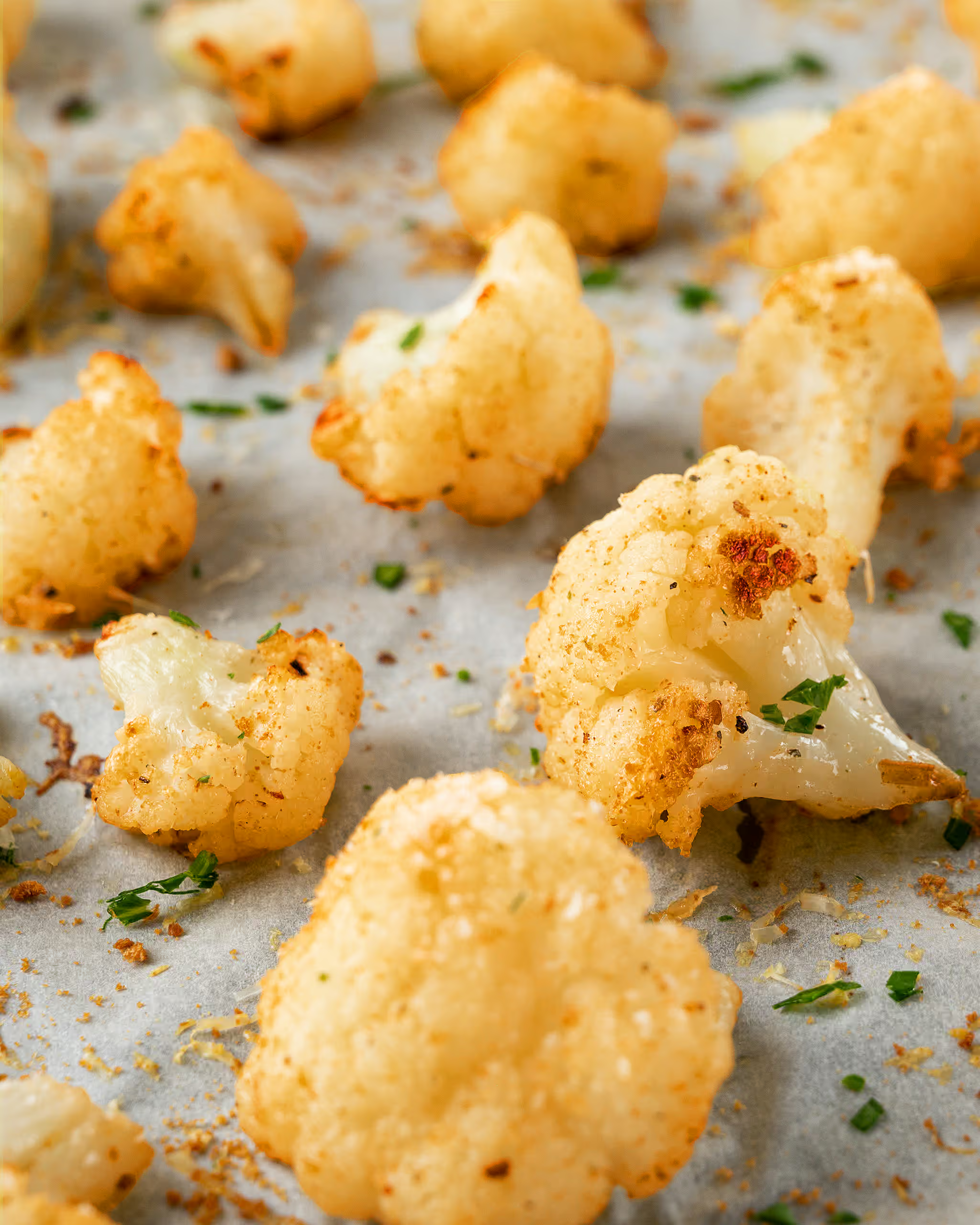
Let’s be honest, roasted cauliflower doesn’t usually get much attention. Most people see it as plain or predictable – and I used to think the same – but once I’ve tried this recipe, it’s hard to go back. Here’s why I think you’ll love it.
Why You’ll Love This Roasted Cauliflower
For me, the best dishes are the ones that surprise you with how good they are for the effort they take – and this roasted cauliflower is exactly that. Here’s what makes it one of my go-to sides, and hopefully one of yours too:
- It’s incredibly quick and easy: just a few basic ingredients, 10 minutes of prep, and then the oven quietly takes care of the rest.
- I love how pantry-friendly and super flexible this dish is. You likely have everything you need already, and the flavor can go wherever you want – Italian, Indian, Mexican, anything. Roasted cauliflower plays along, and I’ll share a few of my favorite twists later on.
- It’s one of those dishes that’s naturally healthy – gluten-free, low-carb, and full of fiber. But the best part is that you’ll make it because it tastes good, not because it’s healthy.
- It fits any occasion. I’ve made roasted cauliflower more times than I can count, and it never feels out of place – easy for weeknights, special enough for holidays.
Now you know the reasons this dish turned me from a cauliflower skeptic into someone who makes it on repeat. Let’s take a look at what you’ll need to bring it together.
Roasted Cauliflower Ingredients
Like most of my favorite recipes, this roasted cauliflower starts with simple, everyday ingredients – each one plays a role in creating that golden, flavorful side. Here’s how to pick them well and store properly, so every ingredient brings out its best to the final dish:
Cauliflower. I always start with a good head of cauliflower – firm and tightly packed with white florets and fresh green leaves around the stem. Avoid any soft spots or dark patches – they’re usually signs the cauliflower is no longer at its best.
If you’ve ever wondered how long cauliflower lasts in the fridge, the answer really depends on how you store it. I’ve tested a lot of methods, and the best one I found is to keep it unwashed, wrapped loosely in a paper towel, and placed in an open bag in the fridge. Stored this way, it stays fresh for about a week – sometimes even up to 2-3 weeks if it’s really fresh to begin with.
Olive Oil. A good-quality olive oil helps the spices cling to the florets and gives them that crisp, caramelized edge in the oven. Choose extra virgin if you can – its flavor holds up beautifully when roasted. I usually try not to overdo fats in my dishes, but here it really matters – too little oil and the florets won’t roast evenly or develop that golden color.
Seasoning. I prefer to keep the seasoning simple: garlic powder, smoked paprika, salt, and black pepper. Garlic powder blends smoothly with the oil and won’t burn the way fresh garlic does, and smoked paprika adds warmth, color, and a subtle smokiness that makes the cauliflower taste deeper and more roasted.
Parmesan. It gives roasted cauliflower its final touch. You can skip Parmesan, but I like how it adds that thin, salty layer that helps the florets turn golden and brings more depth to their flavor.
Fresh Parsley. A handful of fresh parsley at the end adds color and a bit of freshness that brightens up the whole dish. It’s a small touch, but it makes every plate look more alive. If I’m not using it right away, I either wrap it in a slightly damp paper towel and keep it in a loose bag in the fridge, or stand the stems in a glass of water like a small bouquet. Both ways keep it fresh for about a week, sometimes even longer.
Now that we’ve covered what goes into this dish, let’s talk about how to bring those flavors to life – the small tricks that elevate roasted cauliflower.
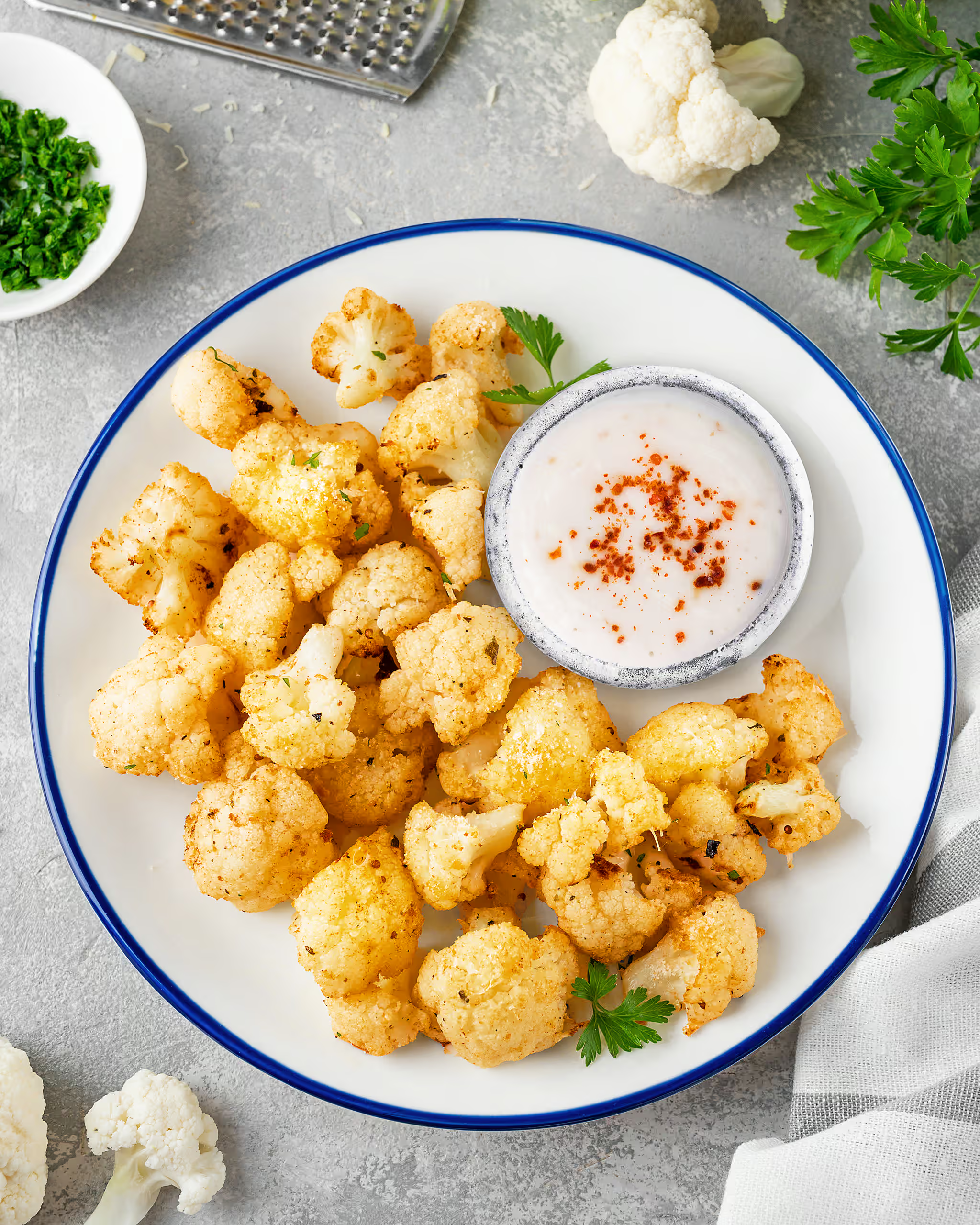
How to Roast Cauliflower Perfectly
Roasting cauliflower is easy, but a few details can take it from good to great. Here are my go-to tips and tricks to help you get that perfectly crisp, golden result every time:
How to Clean Cauliflower
There’s often a bit of confusion about whether cauliflower really needs washing, but since it grows close to the ground, those tightly packed florets can easily trap bits of dirt or even tiny bugs. What works best for me is a quick rinse under cold running water. Avoid soaking it – cauliflower acts like a sponge and will hold onto water, which later turns into steam in the oven. Once rinsed, shake off the excess moisture and pat it completely dry with a paper towel. The drier it is, the nicer it roasts.
How to Cut Cauliflower
If you’ve ever put off cooking cauliflower because last time left crumbs everywhere and your bench looked like a snowstorm – trust me, I’ve been there. I tried every method to keep things tidy, and after plenty of trial and error, I finally found one that actually works.
First, remove outer leaves and trim the stem just enough so the cauliflower sits flat on the board. Then, slice the head in half, and halve each piece again to make four even wedges. From there, trim out the core from each wedge and simply break it apart into even bite-size florets.
Avoid chopping the cauliflower randomly as you’ll end up with lots of tiny pieces. If you place them on the baking sheet, they’ll burn in the oven long before the rest is done – or end up straight in the bin. That’s why I prefer the wedge-and-break method: it keeps the florets intact, cuts down on waste, and gives you neat, even pieces every time.
How to Season Cauliflower
I’ve tried every possible way to season cauliflower, but one simple order consistently gave me even coating and the best flavor: oil first, seasoning next, Parmesan last. Toss the cauliflower with olive oil until it looks lightly coated, then sprinkle over your premixed spices and toss again. Finally, add the Parmesan and give it one last toss. The cheese clings to the spiced oil and bakes into a light, savory crust as it roasts.
How to Make Cauliflower Crispy
What really helps cauliflower turn out crispy is giving it enough space and using a hot oven. I know it’s tempting to squeeze everything onto one sheet, but when the florets are packed too close, they start steaming instead of roasting. I spread them out in a single layer on a large baking sheet, leaving small gaps so the air can circulate. If yours still feels crowded, simply divide the cauliflower between two sheets and roast them separately.
I roast mine at 450°F / 230°C – it’s the sweet spot where the cauliflower turns golden and crisp on the outside while staying tender inside. Make sure the oven is fully preheated before it goes in. If you start with a cold or warming oven, florets will release moisture before browning begins, leading to a limp texture.
Once you’ve roasted cauliflower this way, it’s easy to see why it’s one of my favorites. The texture, the color, the flavor – everything just comes together beautifully. And from here, you can take it in so many directions with a few simple twists.
How to Customize Roasted Cauliflower to Your Taste
One of the things I love about roasted cauliflower is how easy it is to make it your own. Once you know the basic method, you can play with it a hundred different ways depending on your mood or what you have in the pantry. Here are some of my favorite versions that I make on rotation:
Mediterranean Roasted Cauliflower
My go-to when I want something fresh, bright and herby. A mix of oregano, thyme, and rosemary adds to roasted cauliflower a lovely Mediterranean twist, and a squeeze of lemon juice at the end makes everything taste lighter. I usually finish with a bit of chopped parsley for that extra freshness.
Mexican Roasted Cauliflower
If you are in the mood for a little heat, add a pinch of chili flakes or cayenne pepper along with the smoked paprika. It gives roasted cauliflower gentle kick, while a squeeze of lime at the end brightens everything up. I sometimes add a bit of crumbled feta or chopped coriander on top – it makes the whole dish feel vibrant and full of life.
Indian Roasted Cauliflower
I first tried this when I was cleaning out my spice drawer, and now it’s the version I make whenever I’m craving something deep and earthy. A bit of curry powder and turmeric gives the cauliflower a beautiful golden color and pairs perfectly with a spoon of yogurt on top.
Middle Eastern Roasted Cauliflower
This one has that rich, warm Middle Eastern flavor it’s famous for – a mix of cumin, coriander, and smoked paprika. A final drizzle of tahini and a sprinkle of toasted sesame seeds make it taste like something from a mezze platter.
Vegan Roasted Cauliflower
If you’re making a vegan version, simply swap the Parmesan for nutritional yeast – it gives that same savory, slightly cheesy flavor without any dairy. Or, skip the cheese altogether and add toasted breadcrumbs or pumpkin seeds (pepitas) instead. I love how they both bring a light crunch that works beautifully here.
For me, no matter which flavor I go for, roasted cauliflower always feels a little special. Each version has its own mood – bright and herby, cozy and comforting, or deep and bold – but they all share that same golden, irresistible base. I’d love to know which variation you like most: Mediterranean, spicy, or maybe something completely different? Share it in the comments section below, I always enjoy seeing how others make it their own.
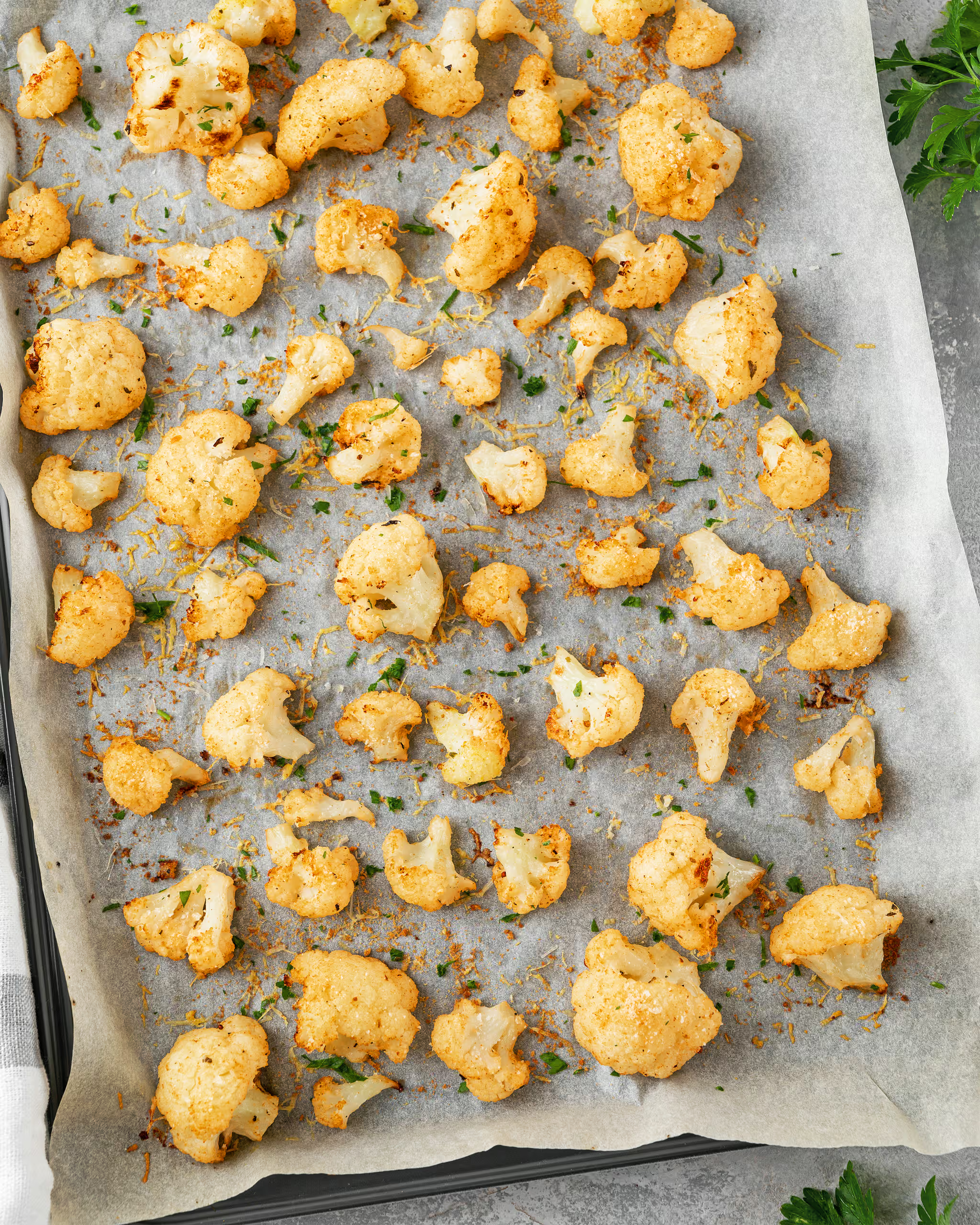
How to Serve Roasted Cauliflower
When the roasted cauliflower comes out of the oven, it’s honestly hard not to grab a few pieces straight off the tray – I’m guilty of it every time. But once it cools for a minute, it’s ready to serve. Whether it’s a quick weeknight dinner or something you’re bringing out for guests, here’s how to make it look its best:
- I keep weeknight plating super simple. I just scoop the roasted cauliflower into a shallow bowl or wide plate and let the florets fall naturally. A little chopped parsley on top adds a nice pop of freshness, and that’s really all it needs.
- For holidays or special dinners, I go for a big shared platter. I pile the cauliflower in the center, add a handful of herbs or toasted nuts for texture, and tuck a few lemon wedges around the sides to make it look fresh and bright.
- Roasted cauliflower makes a great snack, too. I usually arrange the florets around a small bowl of dip – something creamy like tahini or herbed yogurt – and finish with a sprinkle of roasted seeds for crunch. It’s simple, fuss-free, and always disappears fast.
Once it’s plated and garnished, roasted cauliflower can easily stand on its own – but it also plays well with so many other dishes.
What to Pair with Roasted Cauliflower
To make the most of roasted cauliflower, try pairing it with dishes that offer a bit of contrast or balance. Here are some ideas I love:
- Chicken or Turkey – I like how the savory notes of roasted cauliflower pair beautifully with poultry. Try it alongside roasted or pan-seared chicken, turkey cutlets, or even baked chicken drumsticks. The mild sweetness of the cauliflower balances well with juicy, seasoned meat.
- Fish or Seafood – Cauliflower’s subtle flavor complements fish perfectly as well – especially salmon, cod, or sea bass. I often serve it next to grilled or baked fillets with a squeeze of lemon. The contrast between tender fish and crisp cauliflower makes the plate feel light but complete.
- Meat Dishes – Roasted cauliflower pairs beautifully with heartier mains like roast beef, lamb, or glazed ham. Its mild, nutty flavor balances the richness of red meat and adds a light, earthy note that keeps the plate from feeling too heavy.
- Pasta Dishes – I find roasted cauliflower works beautifully with pasta, especially creamy ones like fettuccine Alfredo or lighter olive-oil-based dishes. The caramelized edges add texture and a subtle sweetness that lifts the sauce making the whole meal feel more complete.
- Vegetarian Main – When I’m not cooking meat, roasted cauliflower easily takes the spotlight. Combine it with grains like quinoa, farro, or couscous, add a drizzle of tahini or a spoon of hummus, and you’ve got a satisfying meat-free meal that feels full and comforting.
No matter what it’s paired with, roasted cauliflower always brings a quiet balance to the plate – rich yet light, simple yet impressive. To me, that’s what makes it a side worth making again and again.
How to Store & Reheat Leftovers
Roasted cauliflower is best enjoyed fresh from the oven when it’s still crisp. If you have leftovers, though, you can store them for an easy side or lunch the next day.
How to Store Roasted Cauliflower
Let it cool first – sealing it while it’s still warm will trap steam and make the cauliflower turn soggy. Once it’s completely cool, move it into an airtight container and pop it in the fridge. It’ll stay fresh for up to 4 days, though I usually end up finishing it the next day.
How to Reheat Roasted Cauliflower
Ideally, you’d reheat it in the oven to bring back that freshly roasted flavor – about 10 minutes at 400°F / 200°C does the trick. But honestly, most days I don’t have time for that. A quick microwave reheat works just fine for everyday meals. Leave the lid slightly open so the steam can escape – it helps keep the texture from getting too soft.
Leftovers rarely last long in my fridge – roasted cauliflower is one of those dishes I keep finding excuses to “just taste again.” And if you haven’t tried it yet, here’s how to do it.
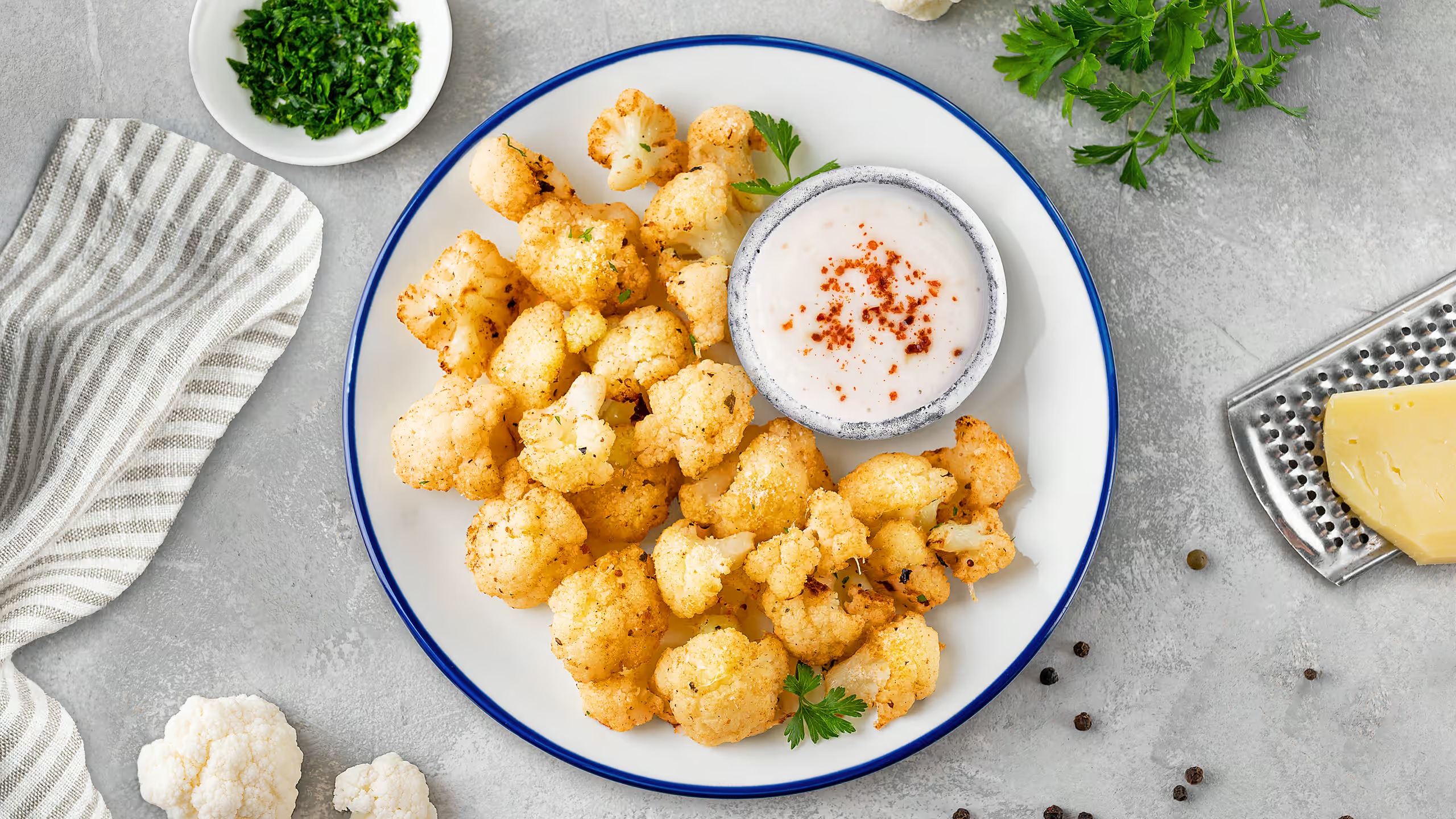


Roasted Cauliflower
Equipment
- Large Mixing Bowl
- Baking Sheet
- Parchment Paper (Baking Paper)
- Chef’s Knife
- Measuring Spoons
- Spatula
Ingredients
- Cauliflower (medium head about 1.3 lb / 600 g) 1 pc
- Olive Oil 3 tbsp
- Garlic Powder 1 tsp
- Smoked Paprika 1 tsp
- Salt ½ tsp
- Black Pepper ½ tsp
- Grated Parmesan ¼ cup
- Fresh Parsley (chopped) ¼ cup
Instructions
- Place the oven rack in the middle position for even roasting and preheat the oven to 450°F / 230°C.
- Remove the outer leaves from the cauliflower and trim the stem so the head can rest flat on the cutting board. Cut it in half, then slice each half again to make four even wedges. From each wedge, trim out the core and gently pull the florets apart by hand into medium bite-size florets (about 1.5 in / 3-4 cm). This way, they keep their natural shape and look neat once roasted.
- Place the florets in a large bowl, drizzle with olive oil, and toss until evenly coated. In a small bowl, mix the garlic powder, smoked paprika, salt, and black pepper. Sprinkle the seasoning over the cauliflower and toss again to coat. Finally, add the grated Parmesan and give it one last toss so it clings to the oiled florets.
- Lightly oil a large baking sheet, then spread the florets in a single layer. Leave a bit of space between them – if they’re too close together, they’ll steam instead of roast.
- Place in the oven and roast until golden, about 25-30 minutes.
- Take the cauliflower out of the oven, sprinkle it with chopped parsley, and serve right away while it’s still hot and the edges are crisp.
Notes
- When seasoning the cauliflower, the order of steps really matters. Toss the florets with olive oil first, then add the seasoning and toss again, finishing with Parmesan in the final toss. This simple sequence helps to get even coating and balanced flavor.
- When spreading the cauliflower on the baking sheet, give each piece some breathing room. Avoid overcrowding – if the florets are packed too tightly, they’ll steam instead of roast. For larger batches, use two baking sheets so everything turns golden and crisp.
Nutrition Information
Keywords:
Quick and EasyShare with Friends
Good food is better when shared. It also helps us create more recipes for you.
Frequently Asked Questions
How to roast cauliflower?
To roast cauliflower, cut the head into even florets, toss with olive oil and seasoning, and spread them out on a baking sheet. Roast at 450°F / 230°C until golden.
How long to roast cauliflower?
Bite-sized cauliflower florets roasts at 450°F / 230°C for 25-30 minutes. Time depends on floret size: smaller pieces roast faster, while larger ones need extra time. Keep them same size for even roasting.
What temperature to roast cauliflower?
The best temperature to roast cauliflower is 450°F / 230°C. If you use a lower temperature, it will steam instead of roast. Always preheat the oven so it hits full heat right away and the florets start browning evenly.
How to cut cauliflower into florets?
Cut the cauliflower head into quarters, remove the core, and break the florets apart. Keep them bite-sized and similar in size so they roast evenly and turn golden all at once.
Should cauliflower be washed before cooking?
Yes, a quick rinse under cold running water is always a good idea. Cauliflower grows close to the ground, and those tight florets can easily trap a bit of dirt or occasional tiny bugs.
Should cauliflower be boiled before roasting?
No, boiling isn’t needed. It adds moisture that keeps cauliflower from browning properly. Roast the raw florets instead to achieve a beautifully golden color and perfectly crisp texture.
How long does roasted cauliflower last in the fridge?
Roasted cauliflower lasts up to 4 days in the fridge when stored in an airtight container. Let it cool completely before sealing to keep the texture from turning soggy.
How do you reheat cauliflower?
Roasted cauliflower can be reheated in the microwave, on the stove, or in the oven. The quickest way is in the microwave – leave the lid slightly open to release steam and heat on high for 1-2 minutes.
How to store cauliflower in the fridge?
Fresh cauliflower lasts about 1-2 weeks in the fridge when stored unwashed, wrapped in a paper towel, and kept in an open bag. Don’t remove the outer leaves as they help it stay fresh longer.
Can I prep cauliflower ahead of time?
Sure! You can cut the cauliflower into florets and store them for a few days in an airtight container in the fridge. Toss with oil and seasoning right before roasting.


1 comment
made this tonight and honestly wasn’t expecting much from cauli but oh my god. my husband who claims to hate it ate half the tray lol