
This butternut squash soup recipe is easy to make, uses just a few simple ingredients, and turns out ultra-creamy and incredibly flavorful. It’s a timeless comfort food that never goes out of season, perfect for warming you up on chilly days or serving as a elegant holiday side dish.

This soup is naturally nourishing and well-balanced, made without heavy seasoning or unnecessary additions. It’s gentle and wholesome, which makes it a great choice for a wide range of tastes and dietary needs – especially when you want something that works for everyone at the table.
If you enjoy this kind of soup, split pea soup is worth trying next – thick, smoky, and just as comforting. Or if you’re after something more filling, chicken orzo is an easy one-pan meal that fits the same cozy weeknight mood.
Why This Butternut Squash Soup Works
For me, this is the kind of recipe you come back to when you don’t want surprises or extra hassle, just something you know will turn out right.
- This recipe gives you a velvety-smooth, creamy soup without feeling heavy. The texture stays silky and satisfying, rather than dense or overly rich.
- Made from just a few simple, everyday ingredients, this butternut squash soup tastes anything but basic.
- It’s make-ahead friendly, which makes planning meals easier when you want something ready in advance.
- The soup is also freezer-friendly, holding its texture well after freezing and reheating without separating or losing its creamy finish.
That’s why this recipe works so well for me – reliable, well balanced, and easy to plan around. Now, let’s take a look at the ingredients that make this soup come together.
Butternut Squash Soup Recipe Ingredients
These are the ingredients you’ll need to make this simple butternut squash soup recipe:
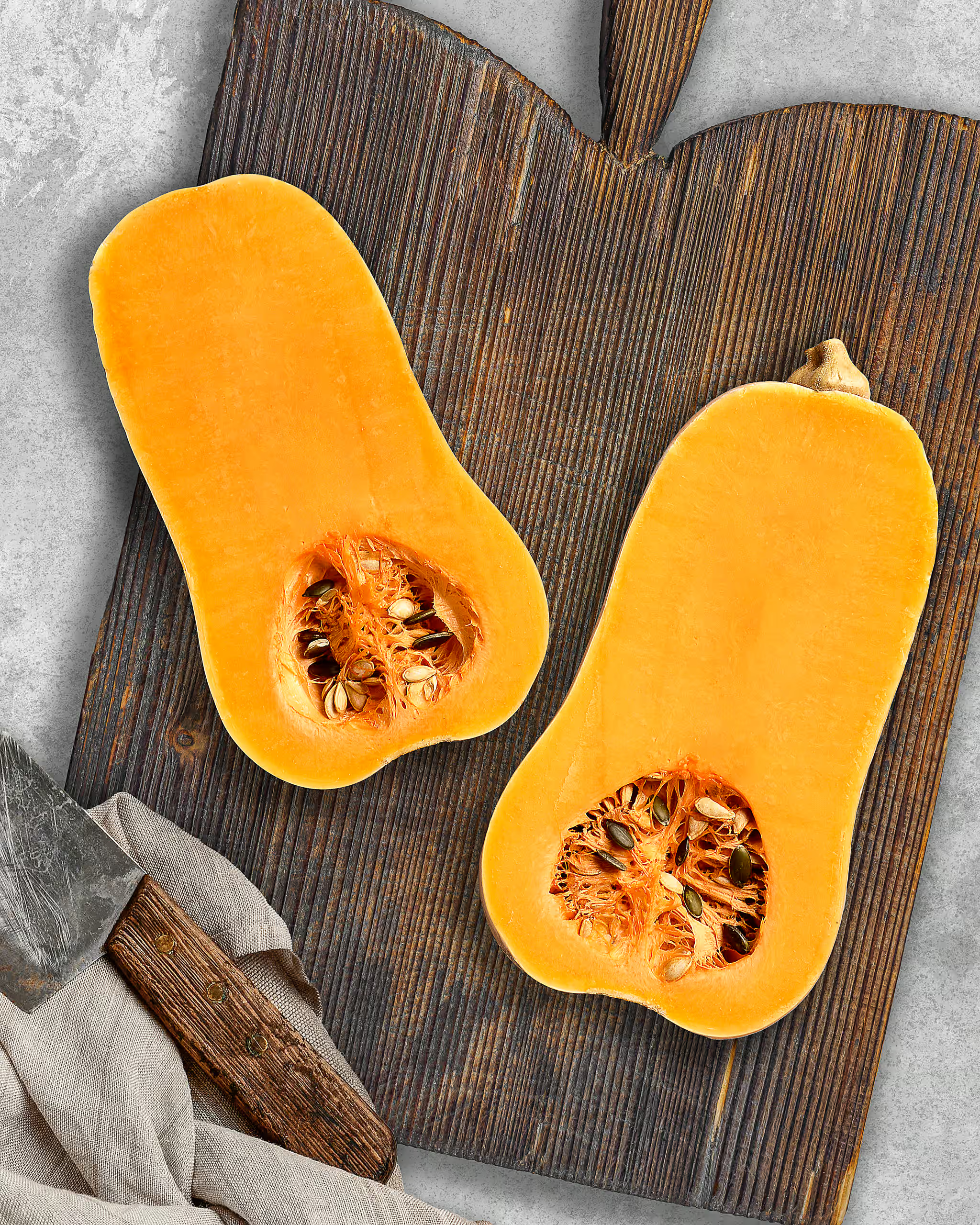
Butternut squash – this variety works especially well for soup because its flesh is naturally thicker and creamier than round pumpkins, which helps create a smoother, more velvety texture once blended. That’s why I reach for it whenever I want a reliable, silky soup without extra effort.
Depending on where you live, this squash may be sold under different names. In Australia, it’s often called butternut pumpkin, while in other regions it may be labeled as winter squash.
When choosing one, I look for a squash that feels heavy for its size, with firm skin and no soft spots. A longer neck is especially useful, as it usually means more flesh and fewer seeds, which makes prep easier.
One reason I like buying whole butternut squash is that it stores exceptionally well. It keeps nicely in a cool, dry place for up to 3 months. If I want to make it ahead, I’ll cut it in advance, wrap it tightly, and keep it in the fridge for a few days until ready to cook.
If you want to save even more time, store-bought pre-cut butternut squash works well here too. You can use it fresh or frozen. When using frozen one, there’s no need to thaw it first – just add it straight to the pot and allow a little extra time for it to become fully tender.
Aromatics – this recipe is built around onion, garlic, and ginger as the aromatic base of the soup. They’re gently cooked at the start to build depth and balance before the squash is added. The onion adds sweetness, the garlic brings warmth, and the ginger gives a subtle lift without turning the soup spicy.
Broth – these butternut squash soup works well with either chicken or vegetable broth, depending on your preference. I usually reach for a low-sodium option so I can control the salt level myself. If you’re using regular broth, you may want to reduce the added salt slightly and adjust at the end.
Fat – I like using a combination of butter and olive oil in this soup. Butter adds its classic rich flavor, while olive oil helps prevent it from browning too quickly during the longer onion caramelization. For a lighter or dairy-free version, you can use olive oil on its own.
Seasonings – I keep the seasoning very simple so the butternut squash really comes through. Salt and black pepper are enough to balance its natural sweetness, while bay leaf and thyme gently infuse the soup as it simmers. If thyme isn’t your thing, you can skip it altogether or swap it for a small sprig of rosemary or sage instead.
Creamy finish (optional) – what I really like to do is add a bit of heavy cream (or half and half) at the end, which gives the soup a smooth mouthfeel and softens the savory notes from the broth and aromatics. It’s not meant to make the soup heavy, just a little more comforting. For a dairy-free option, coconut milk works well, adding a slightly sweeter, coconut-forward flavor.
With the ingredients ready, the rest comes down to how to cook butternut squash soup.
How to Make the Best Butternut Squash Soup
I’ve found that butternut squash soup doesn’t need complicated steps to turn out well, but a few common questions come up along the way. Let’s walk through them.
How to Prepare Butternut Squash for Soup
Preparing butternut squash is usually the part that takes the most attention. After trying a few different ways, this is the method I’ve settled on and use every time.
Peeling. A stable squash is easier and safer to work with, so I like to trim off the top and bottom ends first to create flat surfaces. I lay the squash on its side on a cutting board and peel the neck all the way around with a sharp vegetable peeler. Then I turn the squash over to make it easier for me to reach the unpeeled bulb. At that point peeled neck can feel a bit slippery, so I usually grab a paper towel to help with grip. I peel the remaining bulb the same way, working all the way around until only the deep orange flesh is left.
Early-season butternut squash can be very firm, which makes peeling tiring or even unsafe. In that case, I microwave the whole squash for 2-4 minutes to slightly soften the skin before peeling. It makes the process much more manageable.
Cutting. Once the squash is peeled, I stand it upright and cut it in half lengthwise. If the squash is curved or awkward to handle, it’s easier to separate the bottom bulb from the long neck first, then cut each section in half on its own.
De-seeding. Scoop out the seeds and stringy pulp from the bulb using a spoon.
Cubing. From there, I cut the butternut squash into evenly sized 2-3 cm / 1 inch cubes. Keeping the pieces roughly the same size helps them cook evenly and blend smoothly, without leaving firm, unndercooked chunks in the finished soup.
How to Cook Butternut Squash Soup
There are two common ways to make butternut squash soup: simmering it on the stovetop or roasting the squash first. For this recipe, I stick with simmering because it gives a rich, balanced flavor while keeping everything in one pot. It also comes together faster, which just makes sense for me.
When simmering on the stovetop, the most important thing is letting the squash cook gently until it’s fully tender. A steady simmer – not a hard boil – allows the squash to soften evenly and blend into a smooth, silky soup without any graininess.
How to Purée Butternut Squash Soup
Once the butternut squash is fully tender, it’s ready to be puréed. You can use either an immersion blender or process it in batches in a countertop blender. I personally prefer an immersion one because it’s more convenient here and avoids working in batches. But if you’re using a countertop blender, be sure not to overfill it and allow steam to escape to prevent pressure from building up.
One small tip I’ve found helpful is blending a little longer than usual. An extra minute gives the soup a noticeably smoother, more velvety texture.
From here, it’s easy to tweak things based on taste or what you have on hand. Next, I’ll share a few of my favorite variations.
Butternut Squash Soup Ideas
This is a soup I make often, and it’s easy to tweak depending on what I’m in the mood for:
Spiced Butternut Squash Soup
On colder days, I like adding a pinch of warm spices such as nutmeg and cinnamon, with just a touch of cayenne pepper. It leans into the natural sweetness of the squash and makes the soup feel extra cozy.
Coconut Butternut Squash Soup
Swapping the heavy cream in this recipe for coconut milk is an easy way to make the soup dairy-free. It adds gentle sweetness and subtle coconut notes while keeping the soup smooth and comforting.
Curried Butternut Squash Soup
Sometimes I add a bit of curry powder or paste when cooking the aromatics. It gives the soup warmth and depth without overpowering the flavor of the squash.
Thai-Style Butternut Squash Soup
For a brighter version, I go in a Thai-inspired direction with coconut milk, a little curry paste, and a squeeze of lime at the end. The lime cuts through the richness and gives the soup a lighter, fresher finish.
Vegan Butternut Squash Soup
To keep the soup fully plant-based, I use vegetable broth and skip the cream. Olive oil works well here and keeps the texture smooth, which makes it a good option when I’m cooking for vegan friends.
Whether you stick with the classic recipe or try one of these variations, the soup can be finished with different toppings depending on what you like.
Topping Variations
There are plenty of topping ideas for butternut squash soup, and here are a few of my favorites for those “something’s missing” moments:
- A bit of crunch. Toasted pumpkin seeds (pepitas) are an easy go-to, while croutons or roasted chickpeas bring a similar crunch. When I’m not keeping things vegetarian, a few bacon crumbles add a salty, smoky contrast that complements the soup exceptionally well.
- Something fresh. A sprinkle of thyme, chives, or green onions adds a fresh note. Microgreens are nice too, and when the soup feels a bit rich, a small squeeze of lemon juice can brighten everything up.
- A creamy touch. Sometimes I go for a swirl of Greek yogurt or cream, or a small dollop of sour cream.
- A hint of sweetness. A very light drizzle of maple syrup can highlight the natural sweetness of the squash. Just a little is enough – any more and it can quickly become too sweet.
- A little heat. Freshly ground black pepper is often all I need, but if you in the mood for a bit more heat, chili flakes do the job. Chili oil is another option I like here – it adds richness with a gentle warmth rather than sharp heat.
Everyone has their own way of finishing butternut squash soup. If you have a favorite topping or variation, or want to share how your soup turned out, I’d love to hear about it in the comments.
Storage, Freezing & Reheating
This butternut squash soup keeps really well, which makes it easy to plan ahead. I usually store leftovers, once cooled, in an airtight container in the fridge for up to 4 days.
If you want to keep it longer, you can freeze it in portions. It freezes well for up to 3 months and keeps its smooth texture once thawed. I like to thaw it overnight in the fridge when possible.
To reheat, warm the soup gently on the stovetop over low heat, or microwave it in short intervals. If it thickens after chilling or freezing, I just add a small splash of broth or water to loosen it up.
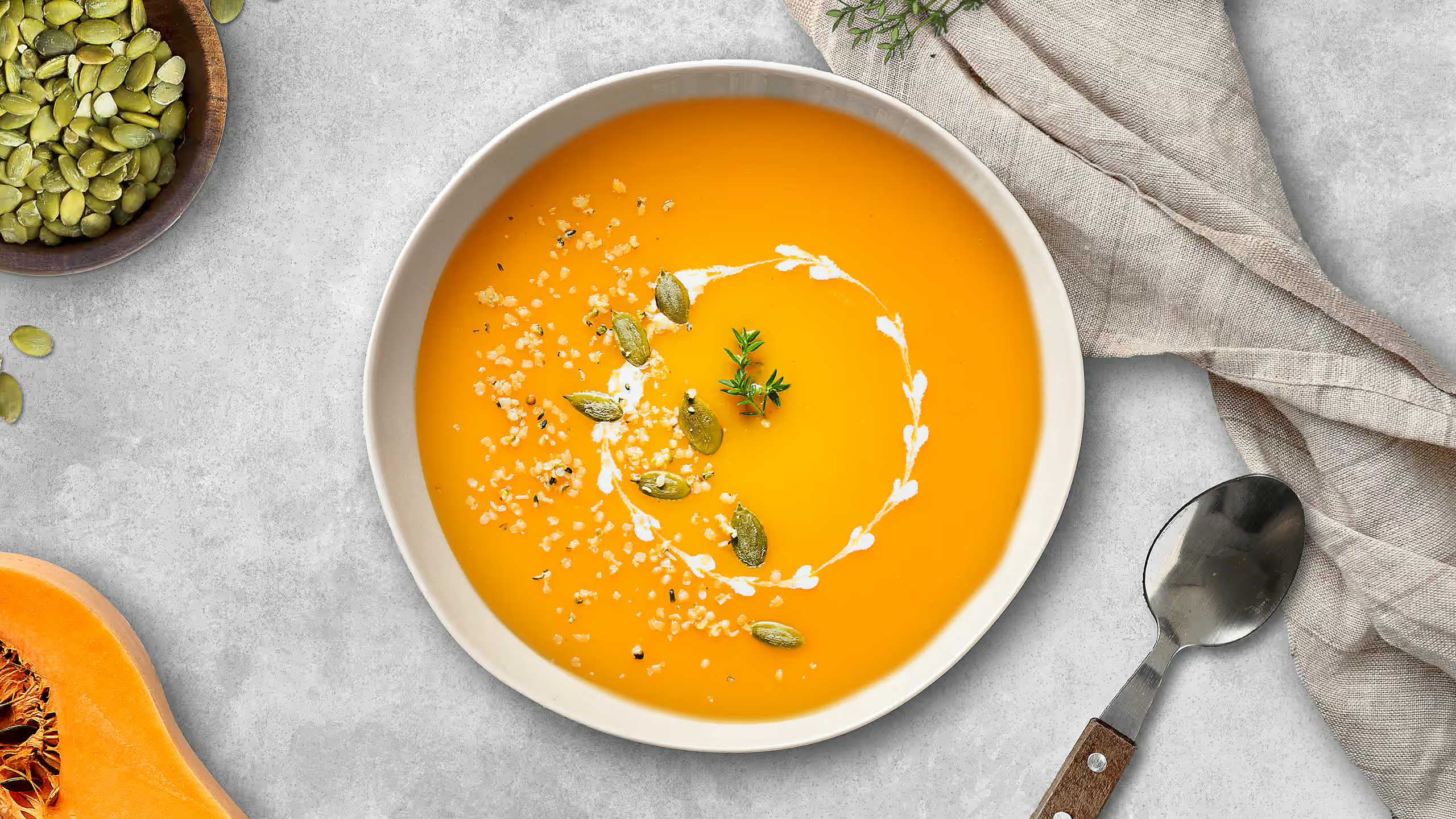

Butternut Squash Soup
Equipment
- Pot or Dutch Oven
- Knife
- Cutting Board
- Immersion or Countertop Blender
- Measuring Spoons
Ingredients
- Medium Butternut Squash(about 2-3 lb, peeled, de-seeded & cubed)1 pc
- Yellow Onion(finely diced)1 pc
- Garlic(minced)4 cloves
- Fresh Ginger(finely grated)1 tsp
- Unsalted Butter1 tbsp
- Olive Oil1 tbsp
- Chicken Broth(or Vegetable Broth)3 cups
- Heavy Cream(optional)½ cup
- Fresh Thyme(or 1 tsp Dried Thyme)4 sprigs
- Bay Leaf1 pc
- Salt1 tsp
- Black Pepper½ tsp
Instructions
- Heat the butter and olive oil in a large, heavy-bottomed pot over medium heat. Add the onion and cook for 6-8 minutes, stirring often, until very soft and lightly golden.
- Add the minced garlic and grated ginger. Warm briefly, about 30-45 seconds, until fragrant.
- Add the cubed butternut squash, broth, thyme, and bay leaf. Bring to a boil, then reduce to a gentle simmer. Cover and cook for 20-25 minutes, until the squash is completely tender when pierced.
- Remove the thyme sprigs and bay leaf. Blend the soup until perfectly smooth using an immersion or countertop blender.
- Stir in the heavy cream (if using), salt, and black pepper. Warm gently over low heat without boiling. Garnish with your favorite topping or one of my go-to options shared earlier in the post.
Notes
- Don’t rush onion caramelization. Properly softening and lightly caramelizing the onion builds the base flavor of the soup.
- Keep the simmer gentle. A steady simmer, not a hard boil, helps the squash soften evenly and prevents the soup from turning grainy once blended.
- Make sure the squash is fully tender before blending. If it still feels firm when pierced, give it a few more minutes. Fully tender squash is key to a smooth, velvety texture.
- Blend a little longer than you think. An extra minute of blending helps achieve a silkier finish.
- Adjust the thickness at the end. If the soup thickens after blending or reheating, just add a small splash of broth or water until it reaches the texture you like.
- Taste at the finish. Taste at the finish. Salt and pepper are best adjusted at the very end, especially if you’re using a salted broth or skipping the cream.
Nutrition Information
Serving Size: 335 g
| PER SERVING | AVG. QTY* | %DV** |
|---|---|---|
| Calories | 201 kcal | 10% |
| Protein | 3.8 g | 8% |
| Fat | 11.6 g | 18% |
| Saturated | 5.9 g | 30% |
| Unsaturated | 5.1 g | 13% |
| Carbohydrate | 24.5 g | 8% |
| Dietary Fiber | 4.1 g | 16% |
| Sugars | 6.1 g | 7% |
| Sodium | 512 mg | 22% |
| Cholesterol | 31 mg | 10% |
* Nutritional values are approximate and provided for general guidance only. Actual values may vary depending on ingredients and exact quantities used.
** Percent Daily Values are calculated based on a standard 2,000-calorie daily diet. Individual nutritional needs may differ depending on personal calorie requirements.
Share with Friends
Good food is better when shared. It also helps us create more recipes for you.
Frequently Asked Questions
How to make butternut squash soup?
To make butternut squash soup, start by caramelizing onion, add garlic and ginger, then simmer butternut squash in broth until tender. Blend smooth and finish with cream.
Is butternut squash soup healthy?
Yes, butternut squash soup is rich in vitamins A and C, fiber, and antioxidants, which support immunity and digestion. Just keep in mind it can be higher in calories if you add cream or butter.
What spices go in butternut squash soup?
Season butternut squash soup with salt and black pepper first, then add herbs or spices like thyme, ginger, nutmeg, cinnamon, sage, or rosemary if you’d like to boost the flavor.
How much butternut squash do you need for soup?
For a standard batch of butternut squash soup about 6 servings, you’ll need one medium butternut squash, which comes out to roughly 2 lb / 1 kg once peeled and de-seeded.
What to top butternut squash soup with?
You can top butternut squash soup with toasted pumpkin seeds (pepitas), croutons, a swirl of cream or yogurt, chili oil, fresh herbs, or a pinch of black pepper for contrast.
How long does butternut squash soup last in the fridge?
Butternut squash soup keeps well in the fridge for up to 4 days when stored in an airtight container and cooled completely before refrigerating.
Can I freeze butternut squash soup?
Sure. Butternut squash soup freezes well for up to 3 months. Let it cool completely, freeze in portions, and thaw in the fridge before reheating.
Can I use pre-cut butternut squash for soup?
Yes, pre-cut or frozen cubed butternut squash from the store is a popular time-saver and works well for many meals, including soup, without sacrificing much flavor.
Can I use frozen butternut squash for soup?
Absolutely, frozen butternut squash works well for soup. You can add it straight to the pot without thawing, just give it a little extra time to soften fully.
How do I peel and cut a whole butternut squash safely?
Trim the ends first for stability, peel with a sharp vegetable peeler, then cut the squash in half lengthwise, remove the seeds, and cube it carefully on a flat surface.
What is the best way to blend the soup?
An immersion blender is the easiest option, but a countertop blender works too. Blend until completely smooth, letting steam escape if blending in batches.


4 comments