Homemade split pea soup – thick, smoky, and so deeply savory it barely needs introduction. One pot, a handful of pantry staples, and a ham hock or bone quietly doing most of the work while you go about your day. What comes out of that pot is a rich, hearty bowl of classic comfort soup that’s incredibly easy to make at home. For me, this is the best split pea soup recipe because it brings together everything people have loved about this soup for generations.
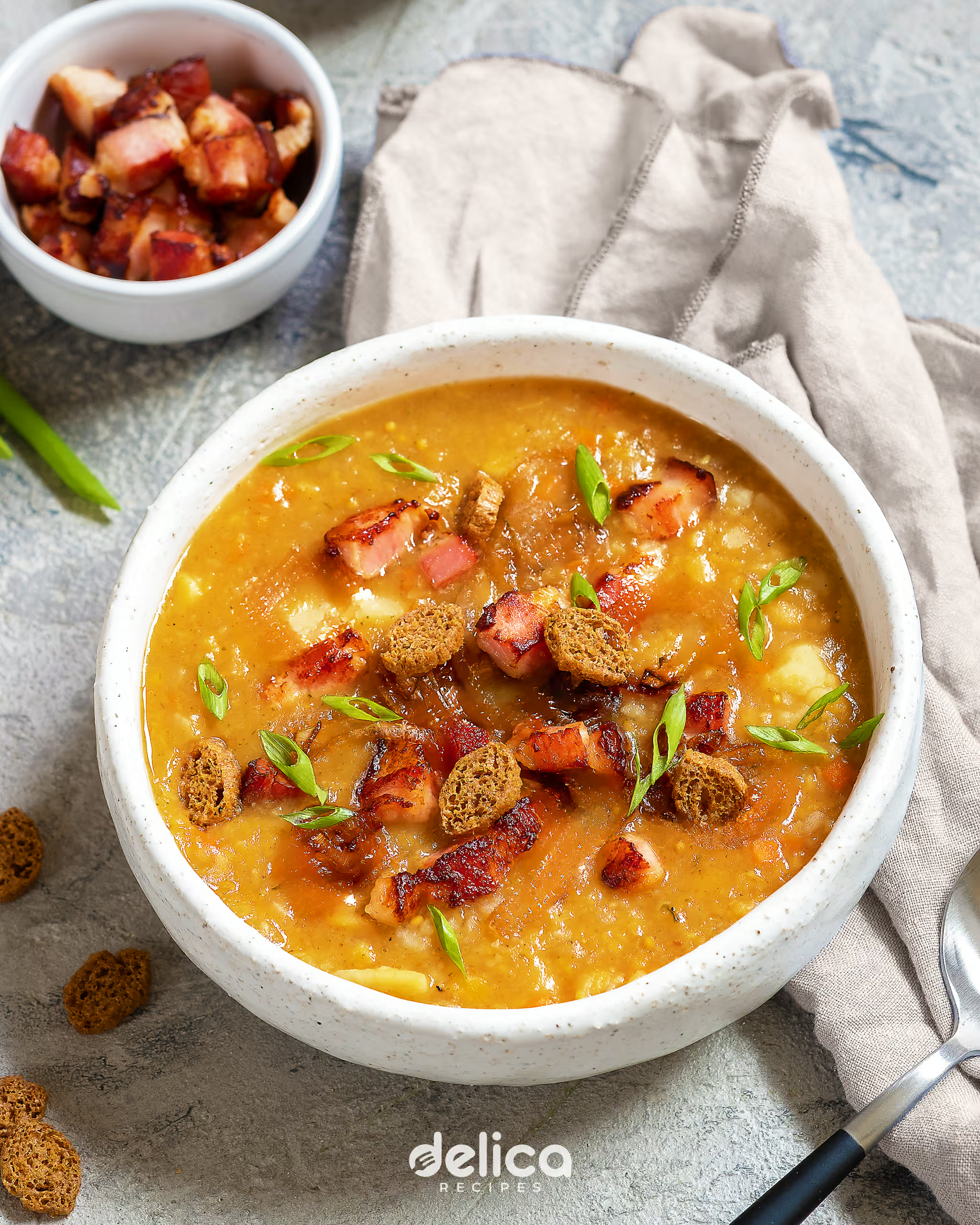
Some food just lives in your memory. I don’t know if it’s the smoky ham or the way the peas slowly melt into the broth, but this soup takes me straight back to my granny’s kitchen every single time. She never followed a recipe, yet somehow it always turned out perfect. I’ve been trying to recreate that bowl for years – and I finally got pretty close.
That’s the thing about meals like this – once it’s in your life, it stays. On weekends when I feel like making soup, it’s usually this one or my Butternut Squash Soup. And when I want something comforting but a little heartier on weeknights, Chicken Orzo is another recipe I often come back to without even thinking about it.
What Is Split Pea & What Is Split Pea Soup?
If you’re new to cooking with them, you might be wondering what is split pea. They’re simply dried field peas that have been peeled and split in half, which helps them cook much faster and means no soaking is needed.
So what exactly is split pea soup? It’s a thick, hearty soup build around those dried split peas slowly simmered with vegetables and broth until they break down into a naturally creamy texture.
This comforting, budget-friendly dish has roots in nearly every European and American culinary tradition. The Dutch have been eating it since the 17th century. Canadians put it on their national menu. Americans made it a diner classic. And the Swedes serve it every single Thursday – yes, Thursday specifically, and yes, that is a real tradition that has been going on for hundreds of years.
What they all share is that same simple formula: dried peas, some kind of smoky bone that might otherwise be tossed out, and a few vegetables. You might be skeptical about what can possibly be so delicious from such humble ingredients – but once you taste what happens when they slowly melt into that smoky broth, you’ll stop questioning it entirely.
Split Pea Soup Ingredients
This simple pea soup recipe doesn’t ask much from you ingredient-wise – but each one earns its place. Here’s what goes into it:
Split Peas. As the recipe name gives away, split peas are the heart of this soup. At the store you can find two types – green split peas and yellow ones. Green split peas have a slightly earthier flavor, while yellow taste a little milder and slightly nutty.
Both work beautifully in ham split pea soup, and I’ve used whatever happened to be in my pantry – sometimes even a mix of yellow and green split peas. But if I’m picking, I lean toward yellow because they give the soup a smoother texture and the color alone is worth it.
Smoked Pork. This is where all that deep, smoky flavor comes from – and you have a few good options depending on what you have:
- Ham hock (also called pork knuckle) is my go-to here It’s one of the most flavor-packed, inexpensive cuts you can buy, and after about an hour of simmering it gives the broth an incredible richness that’s hard to replicate any other way.
- Ham shank works just as well. It’s actually meatier than a hock, so you’ll end up with more shredded meat to stir back into the soup at the end.
- A leftover ham bone from a holiday roast is another brilliant option and honestly one of the best ways to use it instead of tossing it out.
- Smoked pork ribs are a great alternative too. They bring the same smoky depth, but with a slightly different texture.
- Bacon works as well if you want a lighter version, and I’ll cover that later in the variations section.
What all of these have in common is that the smoke and fat from the pork are what give this homemade split pea soup its signature character.
Vegetables. Onion, carrots, and celery – what French cooks call a mirepoix – are one of the best flavor foundations in cooking. This recipe also calls for garlic, because I love those garlicky notes so much. For me, almost everything tastes better with a little garlic.
Broth. I like using half chicken broth and half water rather than broth alone. The broth adds flavor, but too much can make the soup overly salty as it reduces – and with a good ham hock in the pot, you don’t need much more than that. No broth on hand? A chicken or vegetable bouillon cube dissolved in water works perfectly fine here.
Potatoes. Not every split pea soup includes potatoes, and I understand why – technically peas alone are enough. But for me, potatoes belong in this soup. As they cook, they release a little starch that helps the soup become even creamier. They also make the soup more filling and give it that cozy, hearty feel that I personally love.
Best Split Pea Soup Seasonings
I keep seasonings classic here: dried thyme, bay leaf, salt, and freshly ground black pepper. Nothing exciting – and that’s exactly the point. Just enough to create that familiar savory depth you’d expect from a traditional ham split pea soup, without taking anything away from the peas and the pork.
If you want to play around, smoked paprika, marjoram, or a drop of liquid smoke can all work really well here depending on the version you’re making – I cover each one in the variations section further down the post.
Now that we’ve covered what you need, let’s get into the those small details that will take your simple split pea soup from good to exactly what you’re hoping for.
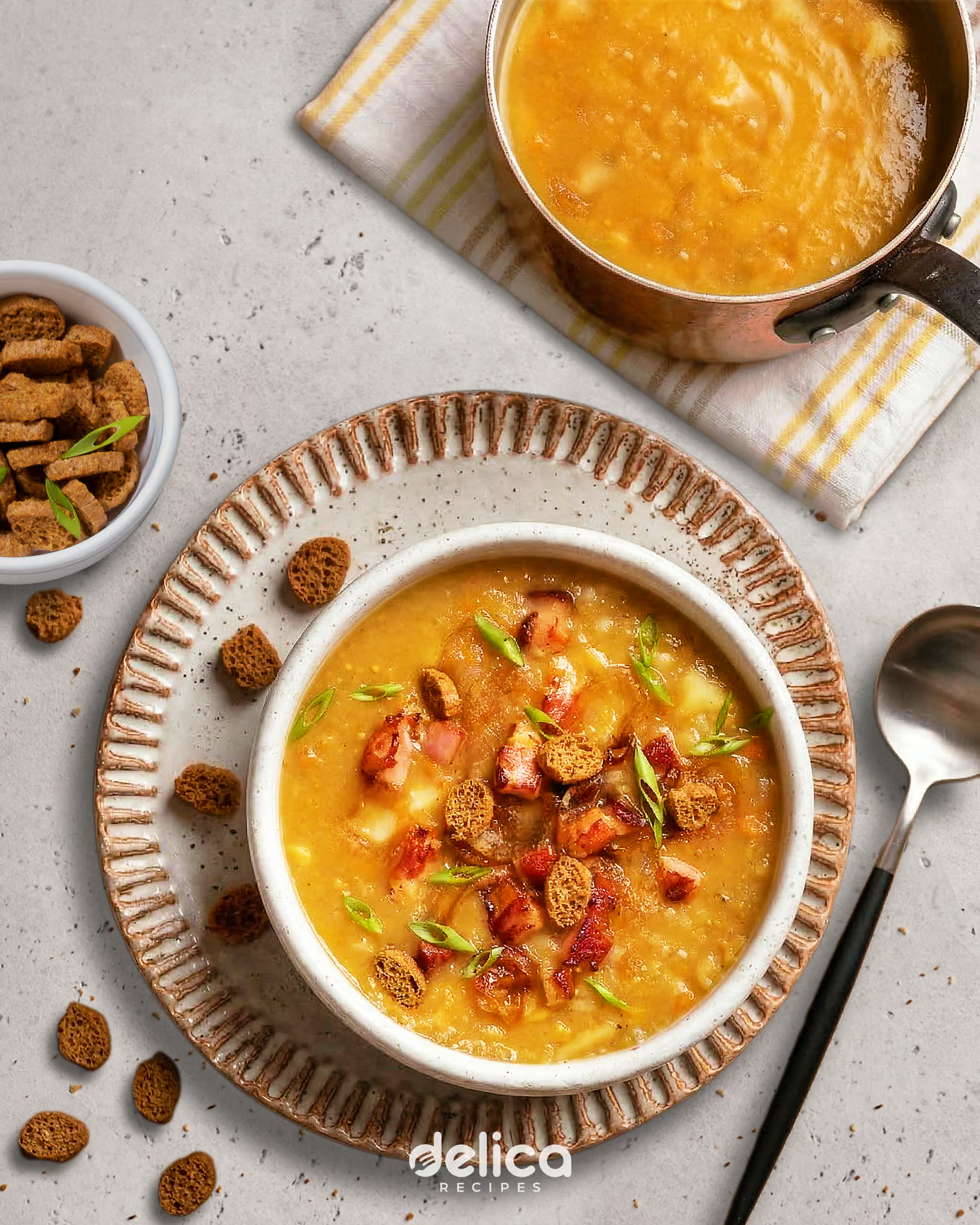
How to Make Split Pea Soup
This hearty split pea soup is one of those recipes that’s pretty forgiving, but over the years I’ve learned a handful of simple tricks that help the peas cook evenly, build deeper flavor, and give the soup that perfectly thick, creamy texture.
How to Prepare Dried Split Peas
The good news is that unlike most dried beans, split peas don’t need soaking. Their natural split lets water to penetrate quickly, which is why they soften much faster during cooking.
What I always do, though, spread them out on a light-colored tray or surface and quickly check for any small debris or tiny stones that might have slipped through processing. Then rinse well in a fine-mesh strainer under cold water until the water runs clear. It only takes a minute, but it’s definitely worth doing.
What’s the Best Split Peas to Water Ratio
A good rule of thumb is 1 cup (250 g) of dried split peas to 3-4 cups (750 ml – 1 L) of liquid. Go with a 1:3 ratio if you like your soup thick and almost stew-like, or 1:4 for a more traditional, spoonable consistency. In this recipe, I use 2 cups (500 g) of dried split peas with 8 cups (2 L) of liquid – half chicken broth and half water – which lands at that 1:4 ratio and gives you a hearty, satisfying bowl without being too thick.
How to Season Split Pea Soup
One thing to keep in mind: go easy on the salt at the beginning and always do a final taste at the very end, once the meat has finished cooking. Ham hocks, shanks, bones – every cut is different, and some are far saltier than others. Trust me, one over-salted pot is all it takes to never forget this step. Season late, taste twice, and you’ll never ruin your meal.
How Long to Cook Split Pea Soup
This homemade split pea soup recipe isn’t the fastest one, but it’s not complicated either. Once everything is in the pot on the stovetop, it mostly just needs time – peas take a full hour on low heat to fully dissolve into that thick, creamy base, then the potatoes go in for another 25-30 minutes. The hardest part is honestly just leaving it alone.
Resist the urge to crank up the heat to speed things up. A hard boil will have the peas sticking to the bottom before you know it. I keep the heat low, partially cover the pot, and stir occasionally especially in the last 30 minutes when the soup starts to thicken.
How to Thicken Up Split Pea Soup
One thing I love about this homemade split pea soup is that it doesn’t need any thickening agents – the peas do that job on their own. But if it’s looking thinner than you’d like, the easiest fix is to keep simmering with the lid off and let some of the liquid evaporate.
You can also mash a small portion of the peas against the side of the pot with a spoon, or scoop out a cup of soup, blend it briefly, and stir it back in. Both work without changing the flavor at all.
One thing worth knowing: split pea soup thickens quite a bit as it cools. If it looks slightly loose while still hot, give it a few minutes before reaching for any of the above – it’ll likely sort itself out on its own.
Top 5 Split Pea Soup Variations
The classic version is hard to beat, but there are a few ways to change things up depending on what you have on hand. These are my top variations I’ve made over the years that always turn out great.
Ham Split Pea Soup (This Recipe)
This is the classic version, and the one most people picture when they think of homemade split pea soup. A smoked ham hock, ham shank, or leftover ham bone slowly simmers with the peas and vegetables, releasing that deep smoky flavor that makes the soup so satisfying.
By the end of cooking, the meat becomes tender enough to shred and stir back into the pot. I like reserving a small handful of the shredded ham and quickly crisping it in a skillet before serving – those little crispy bits make a fantastic topping.
Bacon Split Pea Soup
Bacon is a great option when you don’t have a ham bone on hand. Instead of simmering a large cut of meat, dice 4-6 strips of thick-cut bacon and cook them in the pot first until crispy, then remove and set aside. Use the rendered fat to sauté the vegetables instead of olive oil. I stir most of the bacon back in at the end, but reserve a little for a great crispy topping.
Vegetarian Split Pea Soup
To make this meat-free, simply skip the ham hock and replace the chicken broth with a good-quality vegetable broth. To compensate for the smokiness you’re losing, add 1 tsp smoked paprika and, if you like, a few drops of liquid smoke. A bay leaf and extra thyme do a lot of work here. The soup will be slightly less rich than the ham version, but it’s still hearty and satisfying – especially with crusty bread on the side.
Creamy Split Pea Soup
If you prefer a completely smooth, velvety texture rather than a rustic one, pureeing is the way to go. Personally, I often skip this step – I love the rustic, chunky look and it means one less thing to deal with. But if you want it creamy, remove the ham bone first, then use an immersion blender directly in the pot until you reach the consistency you like. You can blend the whole thing for an ultra-smooth result, or just partially if you want to keep some texture.
No immersion blender? Transfer the soup in batches to a countertop blender – just don’t fill it more than halfway and leave the lid slightly ajar to let the steam escape. A hot, sealed blender is a mess waiting to happen.
Smoky Split Pea Soup
If you love that smoky flavor, there are a few ways to push it even further. Smoked pork ribs instead of a ham hock give this soup a deeper, more pronounced smokiness. You can also add smoked paprika (1-2 tsp), chipotle powder (start with ¼ tsp), or a small amount of liquid smoke to any version of this recipe.
Now it’s your turn. Which version sounds most tempting? Or maybe you grew up eating split pea soup in a completely different way? Share it in the comments – I’d genuinely love to hear how you make it, and who knows, it might just end up in my kitchen next.
How to Store and Reheat Split Pea Soup
Homemade split pea soup actually gets even better the next day as the flavors continue to deepen. Once the soup has cooled, transfer it to an airtight container and store it in the refrigerator for up to 4 days.
It also freezes very well. Let the soup cool first, then portion into freezer-safe containers or bags and freeze for up to 3 months. I like freezing it in single-serving portions so it’s easy to reheat for a quick weeknight meal. Thaw overnight in the refrigerator and reheat slowly, stirring occasionally.
Keep in mind that split pea soup thickens quite a bit as it sits – that’s totally normal. When reheating, simply warm it gently on the stovetop and add a splash of water or broth to loosen it back to your preferred consistency.
Now the only thing left is to make it. Take a ham hock or ham bone, rinse your peas, and let the pot do the rest – I promise it’s worth every minute of that simmer.
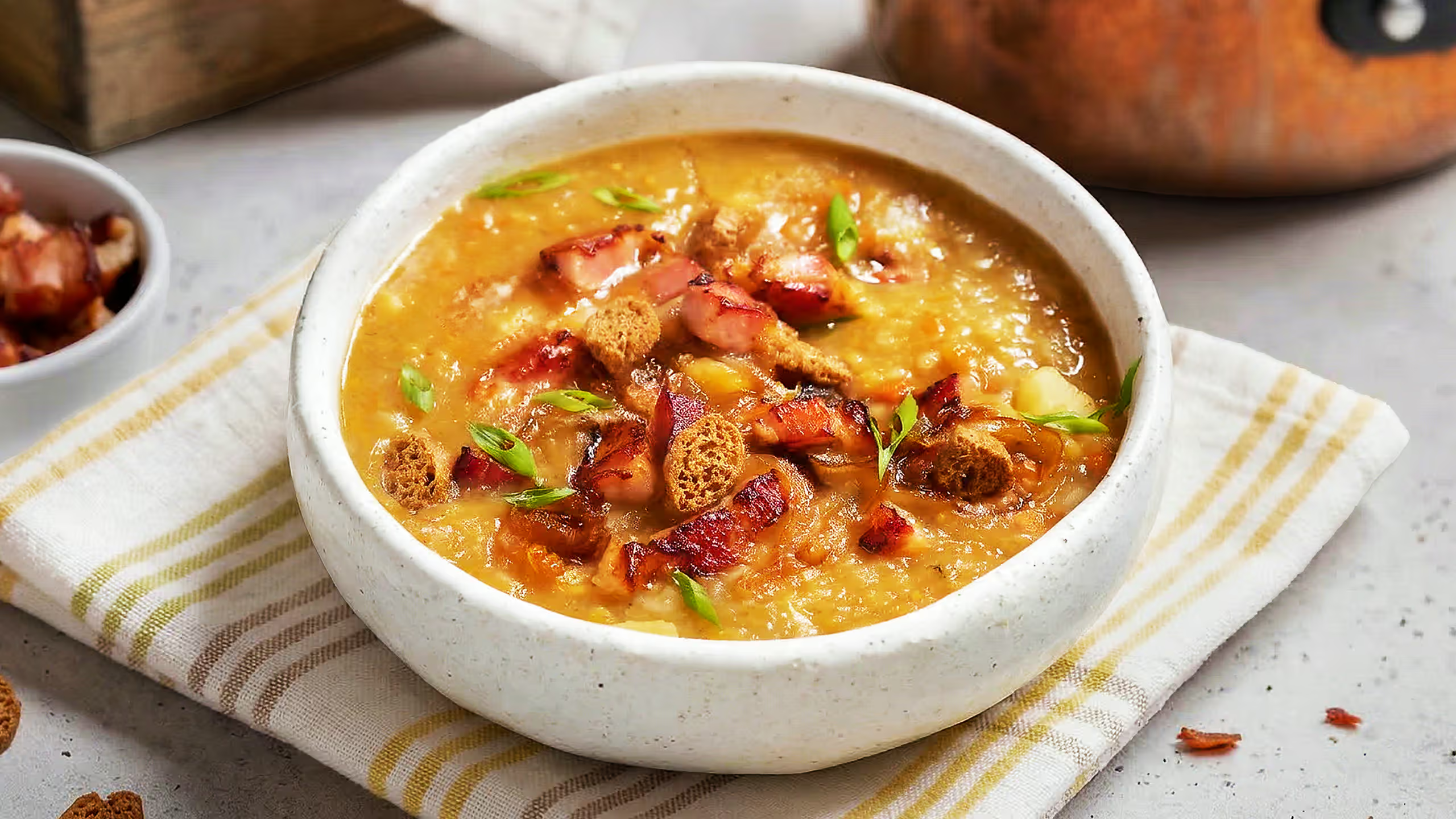

Split Pea Soup
Equipment
- Large Pot or Dutch Oven
- Cutting Board
- Knife
- Fine-mesh Strainer(for rinsing peas)
- Measuring Spoons
- Spoon or Spatula
- Small Skillet(optional, only for crispy ham garnish)
Ingredients
- Olive Oil1 tbsp
- Yellow Onion(diced)1 pc
- Celery(diced)2 ribs
- Carrots(peeled and diced)2 pcs
- Potatoes(peeled and diced)4 pcs
- Garlic(minced)3 cloves
- Dried Split Peas(picked over and rinsed)1 lb
- Chicken Broth(low sodium)4 cups
- Water4 cups
- Ham Hock or Meaty Ham Bone(see Notes for other options)1 pc
- Bay Leaf1 pc
- Dried Thyme½ tsp
- Salt½ tsp
- Black Pepper½ tsp
- Green Onions(thinly sliced, for garnish – optional)2 tbsp
- Croutons(for garnish – optional)½ cup
Instructions
- Heat olive oil in a large pot or Dutch oven over medium-high heat. Add diced onion, celery, and carrots and cook for 5-7 minutes, stirring occasionally, until the vegetables soften and the onion turns translucent. Stir in minced garlic and cook for another 30 seconds.
- Add the rinsed split peas, broth, water, ham hock or ham bone, bay leaf, thyme, salt, and black pepper. Stir well and bring the soup to a gentle boil.
- Reduce the heat to low, partially cover the pot, and simmer for 1 hour. Stir occasionally, especially near the bottom of the pot, to prevent peas from sticking.
- Add the diced potatoes and continue simmering for 25-30 minutes, until the potatoes are tender and the split peas have mostly broken down into a thick, creamy base.
- Lift out the ham hock or ham bone and discard the bay leaf. Pull the meat from the bone and chop it into bite-size pieces. Return most of it to the soup, reserving about ½ cup if you’d like to make the crispy ham garnish.
- This is optional bonus step if garnishing. Heat a small skillet over medium-high heat and cook reserved ham pieces for 2-3 minutes, stirring occasionally, until the edges are lightly browned and crispy.
- Taste and adjust salt if needed. Serve warm, topped with crispy ham, sliced green onions, and croutons if desired.
Notes
Split pea types. Both green and yellow peas work in this recipe. Green split peas have a slightly earthier flavor, while yellow split peas cook a bit softer and often produce a smoother soup.Check the peas first. Before rinsing, quickly spread the peas on a tray or cutting board and check for small debris or tiny stones that can occasionally slip through processing.No soaking needed. Split peas cook faster than most dried legumes because they’re already split. Just rinse them well before adding them to the pot.Pork options. A ham hock is my favorite for flavor, but several other cuts work well too. You can also use a ham shank, a leftover ham bone from a roast, smoked pork ribs, or diced bacon if that’s what you have on hand.Salt carefully at the beginning. Different pork cuts vary in saltiness. Start light with salt and adjust at the very end once the soup has finished simmering.Don’t rush the simmer. Low and slow is what breaks the peas down into that thick, creamy base – a hard boil will have them sticking to the bottom.Control thickness. Split peas naturally thicken the soup as they cook. If the soup feels too thin, let it simmer uncovered a little longer. If it becomes too thick, stir in a splash of hot water or broth.Texture tip. For a creamy soup, blend it with an immersion or countertop blender. For a rustic texture, simply leave it as is.Nutrition Information
Serving Size: 430 g
| PER SERVING | AVG. QTY* | %DV** |
|---|---|---|
| Calories | 384 kcal | 19% |
| Protein | 24.2 g | 48% |
| Fat | 6.8 g | 10% |
| Saturated | 1.9 g | 10% |
| Unsaturated | 4.9 g | 12% |
| Carbohydrate | 59.1 g | 20% |
| Dietary Fiber | 18.7 g | 75% |
| Sugars | 7.6 g | 8% |
| Sodium | 686 mg | 30% |
| Cholesterol | 22 mg | 7% |
* Nutritional values are approximate and provided for general guidance only. Actual values may vary depending on ingredients and exact quantities used.
** Percent Daily Values are calculated based on a standard 2,000-calorie daily diet. Individual nutritional needs may differ depending on personal calorie requirements.
Share with Friends
Good food is better when shared. It also helps us create more recipes for you.
Frequently Asked Questions
How to make split pea soup?
Classic split pea soup is made by simmering dried split peas with a smoked ham hock or ham bone, onion, carrots, celery, garlic, and broth for 1-1.5 hours until creamy.
What is the best pea soup recipe?
The best split pea soup recipe balances smoky pork, tender vegetables, and split peas simmered long enough to create a classic comfort soup with its signature thick texture.
What is split pea?
Split peas are dried field peas that have been peeled and split in half, which allows them to cook quickly and break down easily in soups and stews.
What is split pea soup?
Split pea soup is a classic, hearty soup made by simmering dried split peas with vegetables, broth, and often smoked pork until it becomes thick and creamy.
What are the best split pea soup seasonings?
The best split pea soup seasonings are thyme, bay leaf, salt, and black pepper, which add classic savory depth without overpowering the peas and smoky pork.
How long to cook split pea soup?
Split pea soup usually takes about 1 to 1.5 hours to cook on the stovetop, giving the peas enough time to soften and naturally thicken the soup.