Orange chicken is one of those dishes I genuinely can’t say no to – and honestly, I’ve stopped trying. Crispy, golden chicken coated in a sweet-tangy orange sauce that’s impossible not to love. This homemade orange chicken recipe is super easy to make, takes only 30 minutes, and tastes so much better than takeout.
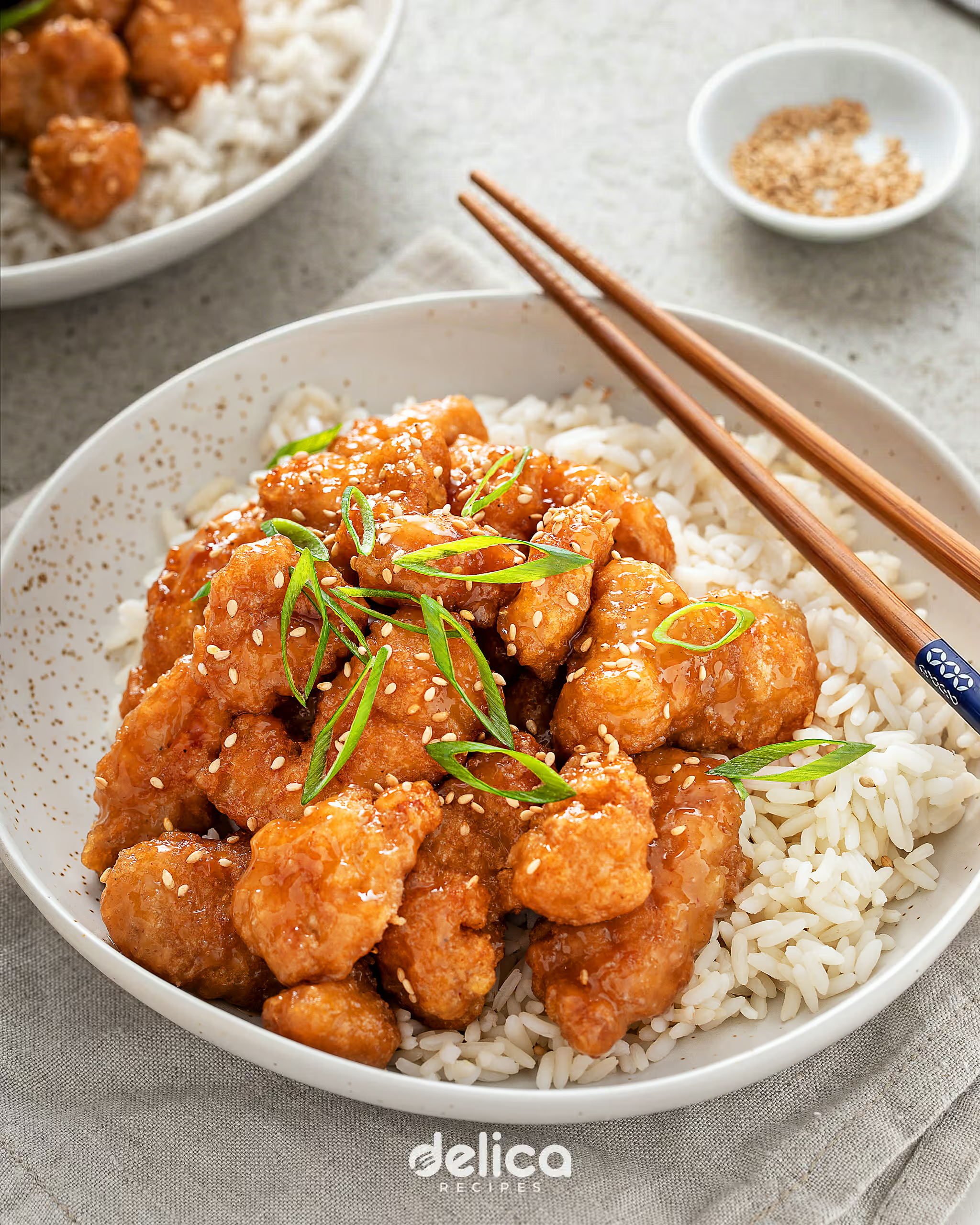
I’ve tried a lot of approaches – batter vs. dredge, breast vs. thighs, thick sauce vs. light glaze. Some turned out too bready, others lost their crispiness the second they hit the sauce. This version solves all of that. The coating stays crisp, the sauce clings without drowning the chicken, and the flavor actually tastes like real orange, not just sugar with a hint of citrus. That’s what keeps me coming back to it.
If you enjoy recipes like crispy baked chicken drumsticks, quick teriyaki chicken, or simple chicken orzo, this one fits right into that same comfort-food zone – just with a fresher, slightly brighter twist.
What Is Orange Chicken?
Orange chicken is crispy fried chicken tossed in a sweet, tangy, lightly spicy citrus glaze that has won the hearts of millions of people all over the world.
It’s actually one of the most ordered Chinese dishes – funny, though, it doesn’t come from China at all. It was invented in 1987 by chef Andy Kao at one of the first Panda Express locations in Hawaii. Inspired by the local love of citrus and the Hunan flavor tradition, he created something nobody saw coming – a dish that went from a single restaurant in Hawaii to basically every Chinese takeout menu in the world.
And the best part? With this recipe, you can easily make an even better version right in your own kitchen and see exactly what makes it so addictive.
Orange Chicken Ingredients
You only need a handful of simple ingredients for this recipe – nothing unusual, and the only thing worth a fresh trip to the store is a good orange.
Chicken
My personal preference here is boneless, skinless chicken thighs. They’re juicier, more forgiving, and much harder to overcook than breast. I’ve tested both, and thighs stay tender even after frying and tossing in the sauce. If you prefer chicken breast, it works too – just keep an eye on it so it doesn’t dry out.
Batter Ingredients
For orange chicken, I always use a two-bowl system – one for the dry mix, one for the wet. The dry mix is equal parts cornstarch and all-purpose flour – I’ve tried other ratios, but this one gives the best result every time. Cornstarch brings the crunch, flour provides the structure, and together they fry up into that light, golden shell that holds its own once the sauce hits.
The wet bowl is simply eggs whisked with salt and pepper – it seasons the chicken from the inside out and gives the dry mix something to grip onto. Simple as that, but the results speak for themselves.
Orange Sauce Ingredients
Honestly, this sauce is the reason I keep making this recipe. Fresh orange juice gives it the base, but it’s zest that does the real work – the oils in the peel are what make it smell and taste like actual orange rather than something out of a bottle.
From there, soy sauce, rice or white vinegar, sugar, ginger, garlic powder, and a pinch of chili flakes round everything out into a sauce that’s sweet, tangy, savory, and just a little warm all at once. The chili flakes are optional here, but I always add them as the sauce can taste a bit flat without.
Now that you know what goes in, here’s how it all comes together.
How to Make Orange Chicken
There are a few things worth knowing before you start cooking orange chicken, and once you do, the whole process feels much easier than it looks.
How to Prepare the Chicken
Pat the chicken dry with paper towels first – I mention this in almost every chicken recipe because it’s one of those steps that looks minor but quietly affects everything. In this case, wet chicken means the coating won’t grip properly and you’ll lose half of it the moment it hits the oil.
Then cut into 1-inch (2.5 cm) bite-size pieces – I know it’s tempting to go smaller, but they’ll overcook before the crust has a chance to turn golden.
Try to keep the pieces a similar size too, so nothing overcooks while the rest catches up.
How to Bread Chicken
Once the chicken is cut, it goes straight into the egg mixture. I usually let it sit there for a minute while I prep the dry mix – it gives the egg a chance to really cling to the surface, which helps the coating go on much more evenly.
Then comes the part we’re all guilty of rushing. How many times have you moved the chicken straight from the wet bowl into the dry mix without letting the excess drip off first? I’ve done it plenty of times, and every time the coating came out uneven and clumpy. Now I always take that extra few seconds – and it genuinely shows in the final crust.
Press the coating gently onto each piece and shake off anything loose before it goes into the oil. You’re looking for a dusty, matte finish on every piece. If it looks wet or clumpy, the crust won’t fry evenly and you’ll end up with soft patches the moment the sauce hits.
How to Make Orange Chicken Crispy
Hot oil is the difference between crispy and sad. I always aim for 350°F (175°C) – at that temperature the crust sets fast and the chicken cooks through before anything has a chance to go greasy. No thermometer? Drop a small piece of coated chicken in – if it sizzles immediately, you’re good to go.
The other thing I can’t stress enough is frying in batches. I learned this the hard way – crowd the skillet and the temperature drops, and instead of frying you’re basically steaming the chicken in oil. Not the same thing at all.
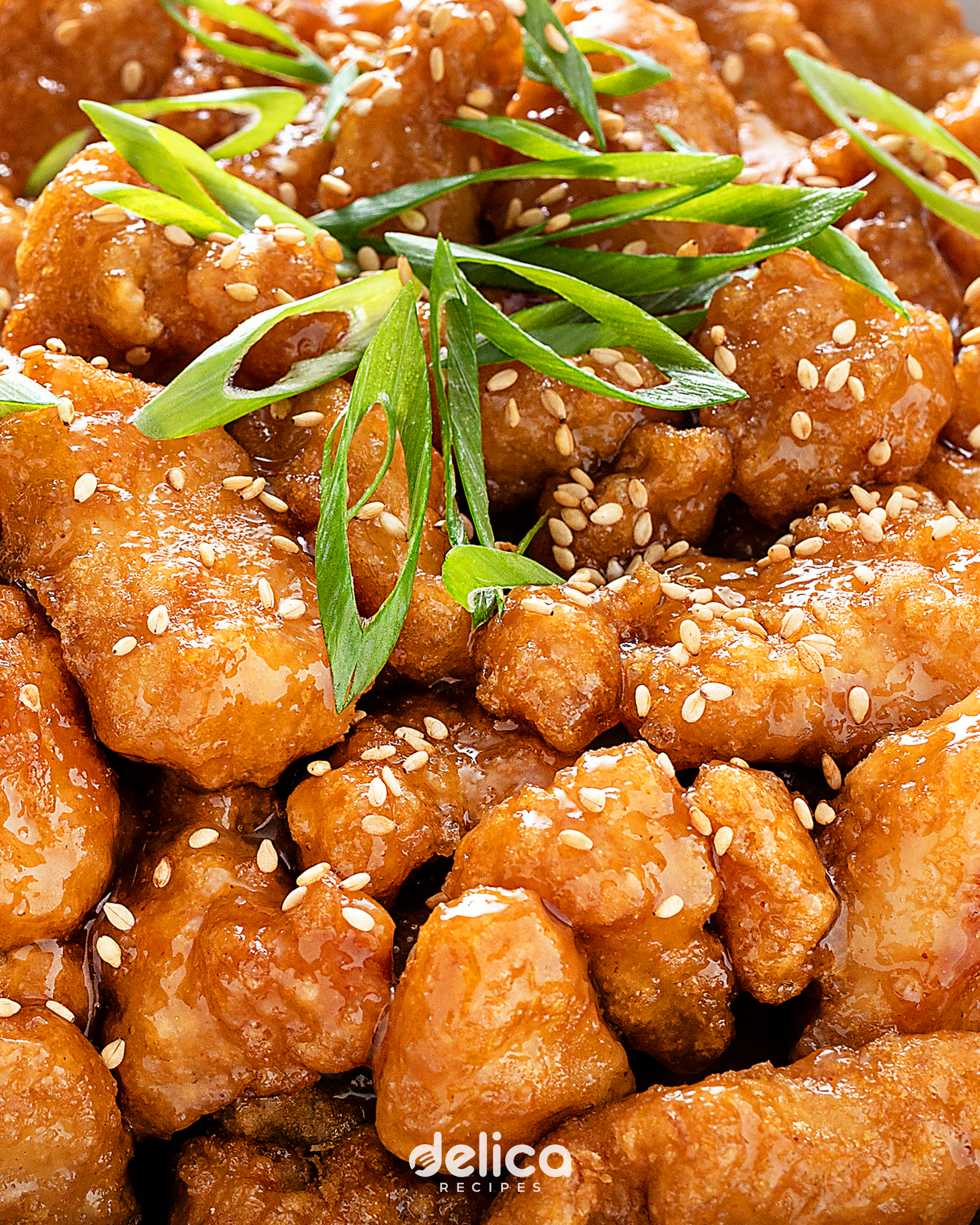
So keep the batches small, fry about 4-5 minutes per batch, then transfer the chicken straight onto a wire rack rather than paper towels if you can. That way, air circulates underneath and the crust stays crisp all the way around instead of turning soft on the bottom.
How to Make Orange Chicken Sauce
What I like about orange chicken sauce is that it comes together in the same skillet you fried the chicken in – all that flavor stuck to the bottom goes straight into it, and that’s exactly what you want.
Once the chicken is done, carefully pour off most of the oil and remove any burnt bits. Then add all the sauce ingredients directly to the skillet and bring everything to a simmer over medium heat. Give it a couple of minutes – the sugar slowly melts in, the citrus starts to bloom – that’s when you know it’s working.
I always taste the sauce at this stage. If I want more brightness, a little extra zest goes in right now. And if I’m in the mood for a thicker, glossier glaze – which honestly I usually am – I stir 1 tbsp cornstarch into 2 tbsp cold water and add it to the skillet. It comes together in about 30 seconds into something sticky and glossy that clings to every single piece.
One thing I’d say – don’t walk away at this stage. The sugar can catch quickly if the heat is too high, and burnt orange sauce is not the vibe.
This homemade orange chicken recipe is already great on its own, but there are a few variations I’ve tried and really enjoyed.
Easy Orange Chicken Variations
I love this recipe as written, but it’s also really easy to spin into something a little different depending on what you’re in the mood for.
Mandarin Orange Chicken
The first time I tried this was when I had mandarin oranges sitting on the counter and didn’t feel like going to the store for a navel. Turns out it’s a really nice swap – the flavor is softer and a little more floral, and the natural sweetness means you can pull back on the sugar slightly.
Tangerine Chicken
This one is closer to the dish that inspired the whole thing. Tangerines have a deeper, slightly more complex citrus note than regular oranges – the sauce comes out less sweet and more tart, with a little bitterness in the background that makes the whole thing taste more layered. If the original version feels a touch too sweet for you, this is the one to try. Use the juice and zest exactly the same way and just expect a different result.
Spicy Orange Chicken
If you like a bit of heat with your sweet, this one is for you. I add double the chili flakes and a teaspoon of sriracha straight into the sauce, and the heat blooms into the citrus. I keep the sugar the same – it softens the heat just enough so it builds gradually rather than hitting you all at once.
Which variation are you most excited to try? I’d love to hear in the comments!
What to Serve With Orange Chicken
Orange chicken is quite rich and saucy, so it really needs something simple alongside it to balance everything out.
- Rice is the most natural pairing – and honestly, the one I always go back to. Steamed jasmine rice is my favorite because it soaks up all that extra sauce from the bottom of the bowl without competing with the citrus flavor. If I have a little more time, fried rice with egg and green onion works beautifully too.
- Noodles are another great option if rice isn’t your thing. Simple chow mein or even plain noodles tossed with a little soy sauce and sesame oil turn this into a proper takeout-style spread.
- Vegetables are worth adding just to bring some balance to the plate. Steamed or stir-fried broccoli is the easiest option, green beans Almondine is another favorite of mine here, roasted cauliflower and roated potetoes are surprisingly good alongside orange chicken too – mild enough not to compete with the citrus but with enough depth to make the plate feel complete.
Whatever you choose, serve it all together while the chicken is still hot and crispy – that’s when it’s at its best.
Storing and Reheating Tips
Good news – this recipe reheats really well, and I say that as someone who has eaten leftover orange chicken for dinner the next day more than once.
If you have leftovers, pop them into an airtight container and keep in the fridge for up to 4 days. For longer storage, orange chicken freezes well for up to 3 months – just thaw it overnight in the fridge before reheating.
When it comes to reheating, I try to avoid the microwave. It gets the job done when I’m in a rush, but the texture won’t be the same. A dry skillet over medium heat for 3 to 4 minutes is a much better option – the crust actually comes back to life.
Now that you know all the orange chicken secrets, it’s time to get cooking. Let’s do this!
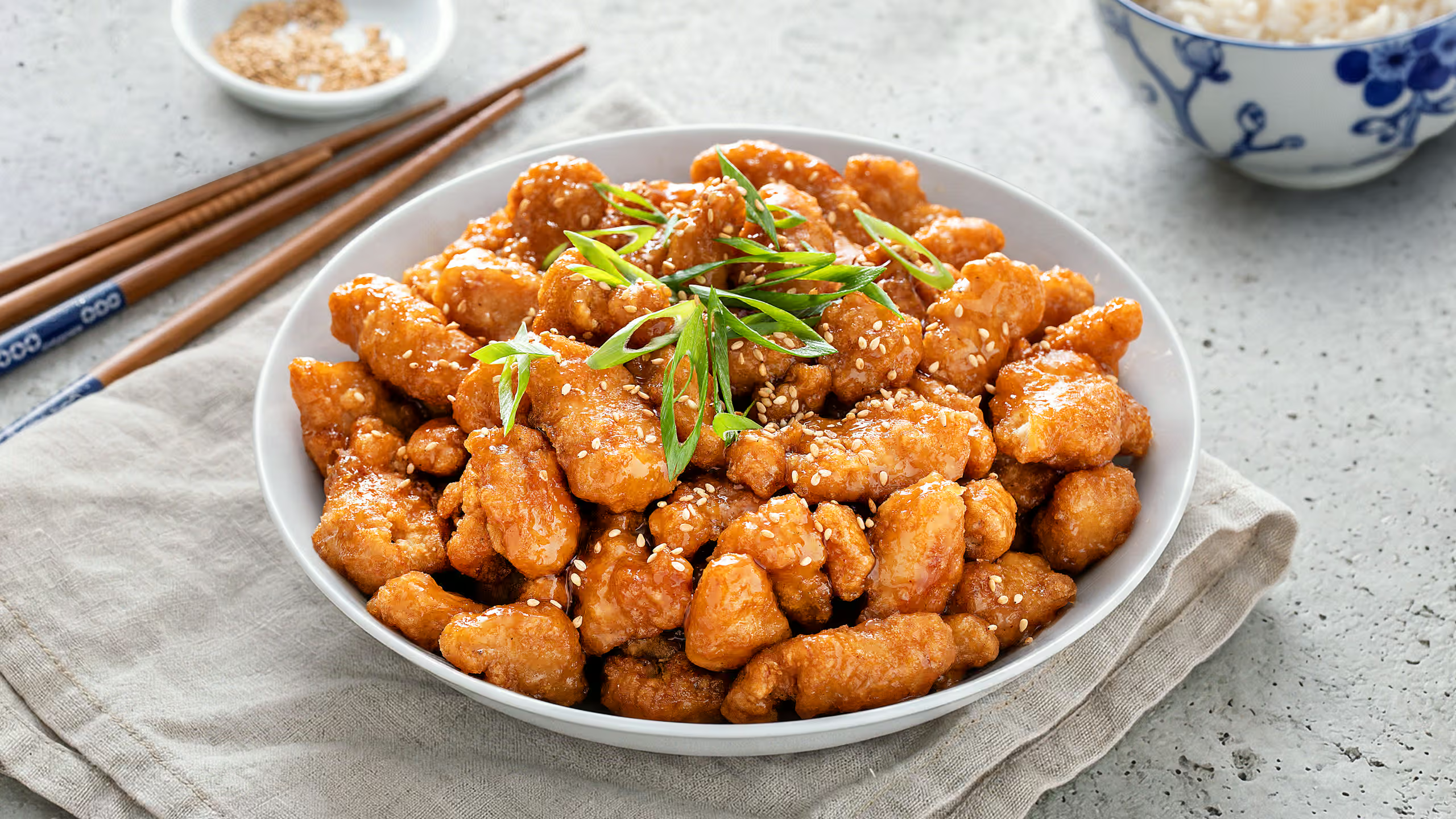

Orange Chicken
Equipment
- Large Mixing Bowls x2
- Knife
- Cutting Board
- Tongs or Slotted Spoon
- Deep Skillet
- Microplane or Grater
- Wire Rack(optional)
- Paper Towels
- Measuring Spoons
- Small Bowl
- Thermometer(optional)
Ingredients
Orange Chicken
- Chicken Thighs(boneless, skinless)1 ½ lb
- All-purpose Flour½ cup
- Cornstarch(or cornflour)½ cup
- Eggs(large)2 pcs
- Salt1 tsp
- Black Pepper½ tsp
- Neutral Oil (Canola, Vegetable or Sunflower)(for frying)2 cups
Orange Sauce
- Orange Juice¾ cup
- Orange Zest(from 1 orange)1 tbsp
- Sugar½ cup
- Soy Sauce¼ cup
- Rice Vinegar(or white vinegar)2 tbsp
- Garlic Powder(or 2 cloves minced garlic)½ tsp
- Fresh Ginger(finely grated)1 tsp
- Red Chili Flakes(optional)½ tsp
- Cornstarch(optional)1 tbsp
- Cold Water(optional if using cornstarch)2 tbsp
Garnish (optional)
- Green Onions(optional)
- Sesame Seeds(optional)
Instructions
- Whisk eggs, salt, and black pepper together in a large bowl until smooth.
- Cut chicken into 1 inch bite-size pieces. Add to the egg mixture and toss until evenly coated.
- Mix cornstarch and flour together in a separate large bowl.
- Transfer chicken to the dry coating using tongs or slotted spoon, letting excess egg drip off first. Toss until each piece is evenly coated.
- Heat oil in a deep skillet over medium-high heat to 350°F – oil should be about 1½ inches deep. Fry chicken in batches for 4-5 minutes until golden brown and cooked through (internal temperature should reach 165°F). Drain on a wire rack or paper towel-lined plate.
- Carefully pour off most of leftover oil and remove any burnt bits. Add all the sauce ingredients except the cornstarch and water to the same skillet and bring to a simmer over medium heat. Cook for 2-3 minutes, stirring occasionally, until slightly reduced.
- If you prefer a thicker glaze, mix cornstarch with cold water until smooth. Stir into the simmering sauce and cook for about 30 seconds until it thickens to a glossy consistency.
- Return chicken to the skillet and toss briefly until every piece is evenly coated in sauce.
- Top with sliced green onions and sesame seeds if desired. Serve immediately while hot and crispy.
Notes
- Pat chicken dry before cutting – wet chicken means the coating won’t stick properly.
- Try to cut chicken pieces to a similar size so everything cooks evenly in the oil.
- Let chicken sit in the egg wash for a minute before moving it to the dry mix – it helps the coating go on much more evenly.
- Always let the excess egg drip off before tossing in the dry mix – rushing this step leads to a clumpy, uneven crust.
- Don’t overcrowd the skillet when frying – work in batches to keep the oil temperature stable.
- No thermometer? Drop a small piece of coated chicken into the oil – if it sizzles immediately, you’re ready to fry.
- Drain the fried chicken on a wire rack rather than paper towels if you can – it keeps the crust crispy on all sides.
- Don’t walk away from the sauce – the sugar can catch quickly if the heat is too high.
- Zest the orange before juicing it – much easier that way.
- If you’re making the cornstarch slurry, always mix it with cold water, never warm – warm water causes it to clump.
Nutrition Information
Serving Size: 204 g
| PER SERVING | AVG. QTY* | %DV** |
|---|---|---|
| Calories | 353 kcal | 18% |
| Protein | 23.4 g | 47% |
| Fat | 11.3 g | 17% |
| Saturated | 3.2 g | 16% |
| Unsaturated | 7.2 g | 18% |
| Trans | 0.1 g | |
| Carbohydrate | 38.8 g | 13% |
| Dietary Fiber | 0.7 g | 3% |
| Sugars | 19.4 g | 22% |
| Sodium | 709 mg | 31% |
| Cholesterol | 167 mg | 56% |
* Nutritional values are approximate and provided for general guidance only. Actual values may vary depending on ingredients and exact quantities used.
** Percent Daily Values are calculated based on a standard 2,000-calorie daily diet. Individual nutritional needs may differ depending on personal calorie requirements.
Share with Friends
Good food is better when shared. It also helps us create more recipes for you.
Frequently Asked Questions
How to make orange chicken?
Making orange chicken starts with coating chicken pieces in egg mixture, then a cornstarch-flour mix, frying at 350°F (175°C) for 4-5 minutes, and tossing in orange sauce.
How to make orange chicken sauce?
To make orange chicken sauce, simmer orange juice, zest, soy sauce, sugar, vinegar, ginger and garlic for 2-3 minutes. Add a cornstarch slurry for a thicker glaze.
What is orange chicken?
Orange chicken is a popular dish of crispy fried chicken tossed in a sweet, tangy citrus glaze with a savory backbone from soy sauce and a gentle warmth from ginger.
Is orange chicken Chinese?
Orange chicken is not authentic Chinese food – it was invented in Hawaii in 1987 by Panda Express chef Andy Kao and is widely considered a Chinese-American dish.
What does orange chicken taste like?
Orange chicken tastes sweet and tangy with a bright citrus edge, savory depth from soy sauce, and a mild warmth from ginger. The orange flavor comes primarily from fresh zest rather than juice alone, which gives it a fragrant, aromatic quality rather than just sweetness.
What is orange chicken made out of?
Orange chicken is made from crispy battered chicken (usually thighs or breasts) tossed in a sauce of orange juice, orange zest, soy sauce, sugar, rice vinegar, garlic, and ginger.
How to bread chicken for orange chicken?
Breading chicken for orange chicken uses a two-step dredging process: first dip the pieces in a seasoned eggs, then toss them in a mix of cornstarch and flour before frying.