Chicken piccata might be one of the most elegant dinners you can pull off on a Tuesday night. One skillet, simple ingredients – and a flavor that has absolutely no right being this good on a regular weeknight. Tender cutlets, a silky lemon-butter sauce, just the right hit of briny capers. It tastes like something you’d order at a nice Italian restaurant and then spend the rest of the meal trying to figure out how to recreate at home.
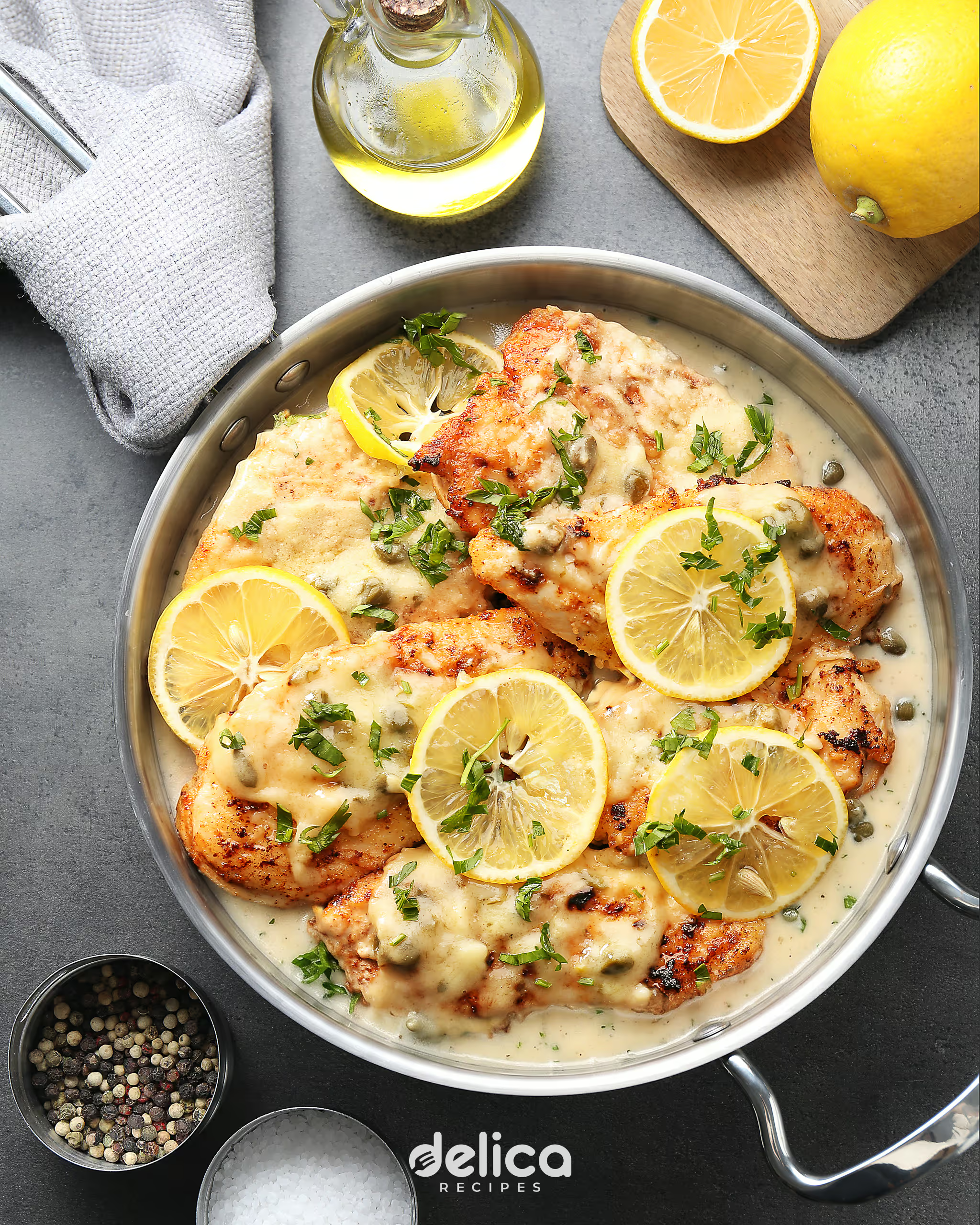
I’ll be honest – the moment I first had chicken piccata at a little Italian place near me, I knew I had to make it at home. Turns out, it wasn’t as straightforward as I expected. My first attempts were fine, but not the kind of fine that keeps you coming back for more – the sauce too sharp or too thin, the coating thick and patchy instead of that light, even finish. After many tries and fails, I finally landed on this version – the one that became the best chicken piccata recipe for me – and it felt too good not to share.
This recipe has become my go-to when I want something that feels special without a lot of effort – but it’s far from the only one in that category. My chicken orzo brings that same cozy, satisfying feeling with minimal cleanup, and if you’re a fan of crispy chicken done right, my baked chicken drumsticks are hard to beat. For those nights when you want something with a little more of a flavor punch, my teriyaki chicken and orange chicken never disappoint.
What Is Chicken Piccata?
Chicken piccata is a popular Italian-American dish made with thin cutlets pan-fried until golden, then finished in a bright, tangy lemon-butter caper sauce. While “piccata” sounds like something you’d need a culinary degree to make, the word literally just means “pounded flat” – a very glamorous way of describing hitting meat with a mallet. Veal was the original victim of that mallet, but chicken eventually took over and, honestly, never looked back.
The dish itself is beautifully simple, but what makes it stand out from every other lemon chicken recipe is the capers. Without them, you’ve got a lovely lemon-butter chicken. With them, it suddenly has personality.
Chicken Piccata Ingredients and Substitutions
There aren’t many ingredients in this chicken piccata recipe, which makes each one matter more. Here’s what goes in and why I use it the way I do.
Chicken. Boneless skinless chicken breasts are the classic choice for piccata, and that’s what I use here. They’re lean, quick-cooking, and their mild flavor lets the sauce shine. Chicken thighs work too if that’s your preference – they’re juicier and a little more forgiving, though the texture is different from the traditional thin cutlet you’d expect.
Flour. Just a light dusting of all-purpose flour is all you need. It gives the chicken that beautiful golden color in the skillet and helps the sauce come together with a silky body rather than a thin, watery finish. For a gluten-free version, a light coating of rice flour works surprisingly well.
Capers. Capers are what give this recipe its personality, and I’d really encourage you not to leave them out. They bring a briny, slightly tangy note that balances the richness of the butter and keeps the chicken piccata sauce from feeling one-dimensional. If they’re packed in salt rather than brine, a quick rinse before using is a good idea. No capers on hand? Finely chopped green olives are the closest substitute, though the flavor is a little milder.
Lemon. I use both juice and zest, and this is one of those details that genuinely changes the sauce. Juice alone gives you acidity – zest gives you that fragrant, bright lemon flavor that makes the sauce taste complex rather than just sharp. And always fresh – bottled lemon juice is noticeably flat by comparison.
Chicken Broth or White Wine. Low-sodium chicken broth or stock is my go-to base – it keeps the sauce savory and well-rounded without overpowering the lemon. Dry white wine is a beautiful alternative that makes the chicken piccata sauce feel a little lighter and more elegant. When I have a bottle open, I prefer doing half broth, half wine – it gets the best of both.
Butter and Olive Oil. I use both, and there’s a reason for it. Butter alone burns too quickly at the heat needed to get a good golden color on the chicken. Olive oil raises that threshold, so together they cover both bases – a properly seared cutlet and a rich, silky sauce. I add them in stages too, so each batch of chicken gets the same treatment and nothing ends up pale or dry.
Now that you know what goes into this lemon chicken piccata recipe and why, let’s talk about how to actually put it all together.
How to Make Chicken Piccata
I’ve made this recipe enough times to know exactly where it can go wrong – some of that from cooking instinct, most of it from making mistakes. Here’s everything I’ve learned along the way.
How to Prepare Chicken
Before anything hits the skillet, there’s a little prep work worth doing right. First, check if your chicken breasts have the tenderloin still attached – that small, narrow strip of meat on the underside. If it’s there, just pull it away, it separates easily and you’ll cook it right alongside everything else. Then slice each breast lengthwise into two thin cutlets.
Pound everything to an even ¼ inch (½ cm) thickness with meat mallet or rolling pin. I’m not going for paper-thin here – just uniform, so every piece finishes cooking at the same time instead of some parts drying out while others catch up.
One thing I always do and honestly used to skip – patting the chicken completely dry before seasoning. If the surface is even slightly damp, the flour won’t coat evenly and you’ll end up with soggy, patchy spots that never really brown. Trust me on this one.
How to Coat Chicken Right
The flour coating on chicken piccata should be light – almost invisible. I dredge each cutlet on both sides and shake off every bit of excess. What you want is a thin, even layer of flour, not a thick crust. Too much and the coating turns gummy in the sauce instead of melting into it.
One thing I always do is set aside a tablespoon of flour before dredging to whisk into the sauce later – it’s a small step that gives the sauce that silky, glossy body you’re after.
How to Pan-Sear Chicken Piccata
Getting a good golden color on the chicken comes down to starting with the right heat. The fat should be shimmering and the butter just starting to foam before the chicken goes in – if it sizzles immediately on contact, you’re in the right place.
The second thing is giving each cutlet enough room in the skillet – I use a 12-inch (30-cm) skillet and cook in batches, making sure the pieces never touch. Crowding traps steam and you’ll end up with pale, uneven chicken instead of that deep golden color. Once the chicken is in, I resist the urge to move it around. Let it sit and develop that color, then flip it once and transfer to a plate as soon as the second side matches.
How to Avoid Overcooking Chicken
Thin cutlets cook fast – faster than you’d expect. I aim for 165°F (74°C) at the thickest part, which usually takes about 2-4 minutes per side. If you have an instant-read thermometer, use it – it takes all the guesswork out.
If you don’t, look for these signs: the surface should be deep golden, and when you press it gently, it should feel firm but not hard. Another easy way to check – make a small cut into the thickest part and the juices should run clear with no pink visible.
How to Make Piccata Sauce
The sauce comes together in the same skillet you cooked the chicken in – and that’s not just for convenience. All those golden bits left on the bottom of the skillet are pure flavor, and the liquid you add will lift them right up.
I start by melting butter and whisking in that reserved tablespoon of flour, cooking it for a minute before adding the broth and lemon. This prevents the sauce from tasting raw and floury. Then in goes the lemon juice, zest, and capers, and I let it simmer until it just lightly coats the back of a spoon. Not thick like gravy – just silky enough to cling to the chicken. Once it gets there, the chicken goes back in, and that’s when everything comes together.
How to Fix Sauce That Tastes Too Sharp, Salty, or Thin
This is the section I wish someone had given me earlier. If the sauce tastes too sharp, a little extra butter whisked in will soften the acidity without dulling the brightness. Too salty? A splash more broth and a tiny pinch of sugar can balance it out. If it’s thinner than you’d like, let it simmer for another minute or two – it will tighten up on its own. And if it somehow splits or looks greasy, take the skillet off the heat and whisk in a small cube of cold butter – that usually does the trick.
Either way, a quick taste before the chicken goes back in is always worth it – that’s your last chance to get it exactly where you want it.
With all of that in mind, this easy chicken piccata recipe starts to feel almost second nature – and that’s exactly when it becomes the kind of dinner you reach for without thinking twice. Now let’s talk about some fun ways to make it your own.
Easy Chicken Piccata Variations
Chicken piccata is perfect as it is – but that doesn’t mean there isn’t room to play. Here are a few variations I’ve tried and loved, each one a small twist on the original without losing what makes it so good.
Creamy Chicken Piccata
This is the version I make when I want something a little more indulgent. A splash of heavy cream added to the sauce at the end transforms it into something richer and silkier, without completely losing that bright lemon flavor. I’d skip milk or half-and-half here – the acidity of the lemon can cause them to curdle, and heavy cream handles the heat much better.
Chicken Piccata with Mushrooms
Mushrooms and piccata sauce are a combination I didn’t expect to love as much as I do. I add sliced cremini or button mushrooms to the skillet after the chicken comes out, letting them cook down in the same pan before building the sauce. They soak up all that buttery flavor and add a heartiness that makes the whole dish feel a little more substantial.
Parmesan Chicken Piccata
If you want a little more texture and depth, try adding a handful of freshly grated Parmesan to the sauce just before serving. It melts in beautifully and adds a savory, nutty note that plays really well against the brightness of the lemon. Just make sure it’s freshly grated – pre-shredded Parmesan doesn’t melt nearly as smoothly.
If you try any of these variations, I’d love to hear which one becomes your favorite – let me know in the comments below!
What to Serve with Chicken Piccata
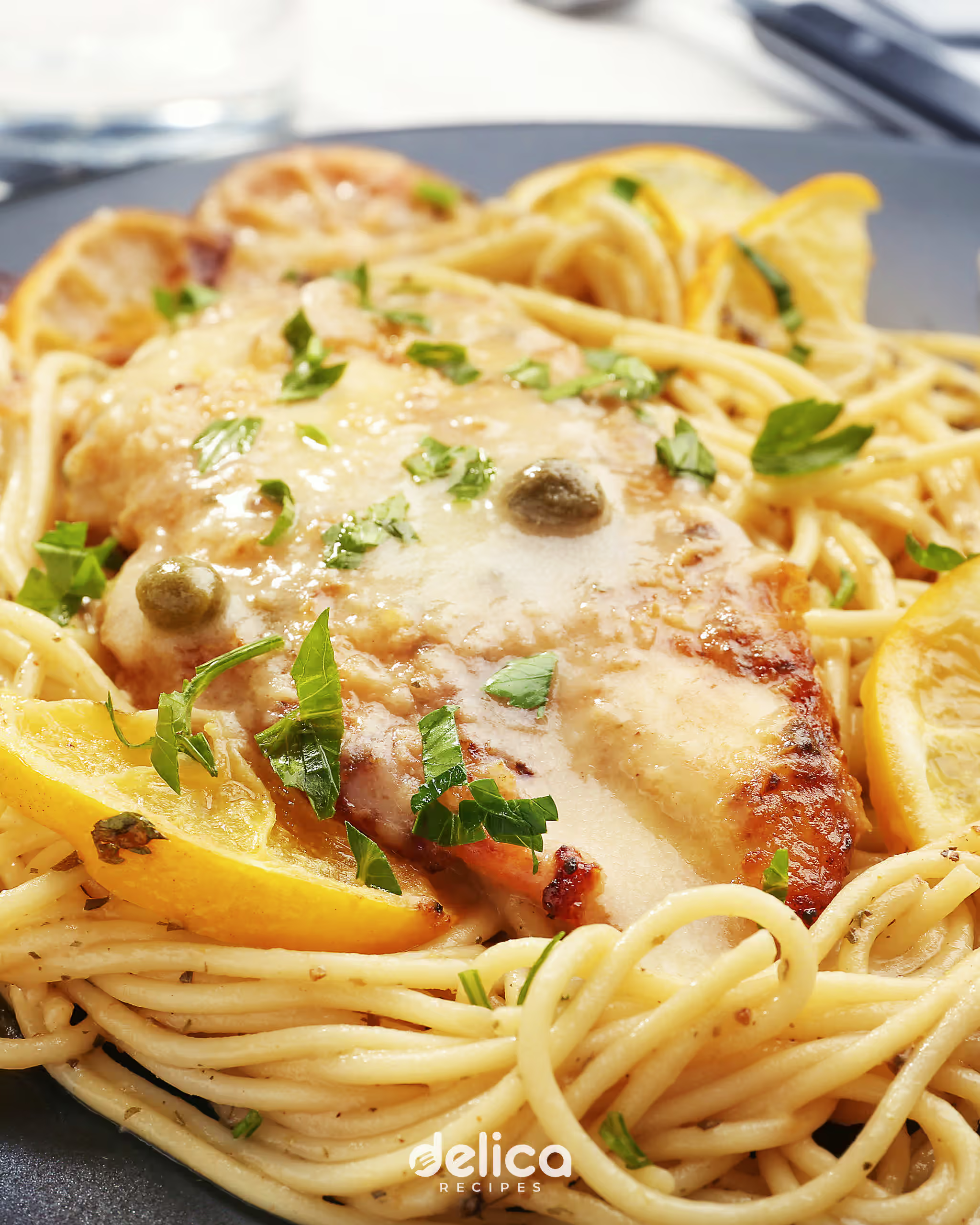
The sauce is honestly the best part of this dish – bright, buttery, and packed with flavor – so my first instinct is always to pair it with something starchy that soaks it all up. Pasta is my absolute first choice here, a simple bowl of spaghetti or linguine underneath the chicken is hard to beat. Rice, creamy risotto, or a big pile of mashed potatoes work just as beautifully.
For vegetables, I almost always reach for something roasted. My roasted carrots are a personal favorite here – they bring a natural sweetness that balances the tanginess of the sauce really well. Roasted potatoes or cauliflower work just as nicely, and if you want something a little lighter, green beans Almondine is a classic pairing that never feels out of place.
And if you’re in the mood for a salad on the side, something fresh and slightly sweet works best to contrast all that richness. My spinach strawberry salad is one I come back to a lot with this dish – the combination of sweet strawberries, a light dressing, and peppery greens cuts right through the butter without competing with the main event. A simple beet salad or a classic potato salad round things out just as well if you’re feeding a crowd.
How to Store & Reheat Leftovers
Chicken piccata is best fresh – when the cutlets are still tender and the sauce is silky straight from the skillet. That said, leftovers keep well in an airtight container in the fridge for up to 3-4 days. As for freezing – it’s possible, but I’ll be honest: the butter-based sauce doesn’t love the freezer. It tends to separate when thawed, and while whisking in a little fresh butter during reheating can help bring it back, it’s never quite the same.
For reheating, the stovetop is my go-to – a skillet over low heat with a small splash of chicken broth or water keeps the chicken juicy and the sauce silky. The microwave works too, just cover it and warm in short intervals.

Chicken Piccata
Equipment
- Large Skillet, Cast Iron or Sauté Skillet
- Shallow Bowl or Plate(for dredging)
- Meat Mallet or Rolling Pin
- Knife
- Cutting Board
- Tongs
- Zester
- Instant-read Thermometer(optional but recommended)
Ingredients
Chicken
- Chicken Breasts(boneless skinless, about 1 ¼ lb)2 pcs
- Salt½ tsp
- Black Pepper½ tsp
- All-purpose Flour(divided)⅓ cup
- Olive Oil(divided)2 tbsp
- Unsalted Butter(divided)3 tbsp
Chicken Piccata Sauce
- Chicken Broth or Stock(low sodium, or dry white wine)1 cup
- Lemon Juice(freshly squeezed)1 tbsp
- Lemon Zest1 tsp
- Capers(drained and rinsed if very salty)3 tbsp
- Fresh Parsley(chopped, optional for garnish)2 tbsp
Instructions
- Slice each chicken breast lengthwise into 2 thinner cutlets. If your chicken breasts have the tenderloins attached, pull them away first, then slice main breasts. Pat the chicken very dry with paper towels, then place in a large zip bag or between sheets of plastic wrap and gently pound to an even ¼ inch thickness. Season on both sides with salt and black pepper.
- Add the flour to a shallow bowl, setting aside 1 tbsp for the sauce. Coat each cutlet lightly on both sides, then shake off all excess. The coating should be thin and even, not heavy.
- Heat 1 tbsp olive oil and 1 tbsp butter in a large skillet over medium-high heat. Once the butter melts and begins to sizzle, add the chicken in a single layer, working in batches – do not overcrowd the skillet. Cook for 2-4 minutes per side until deep golden, or until it reaches 165°F at the thickest part. Transfer to a plate, add another 1 tbsp olive oil and 1 tbsp butter, and repeat until all the chicken is seared.
- While the chicken sears, zest and juice the lemon.
- Once all the chicken is done, lower the heat to medium and melt the remaining butter in the same skillet. Whisk in the reserved 1 tbsp flour and cook for 1 minute. Add the broth, lemon juice, zest, and capers, scraping up any browned bits from the bottom of the skillet. Simmer for 1-2 minutes until lightly thickened, then taste and adjust salt and pepper if needed.
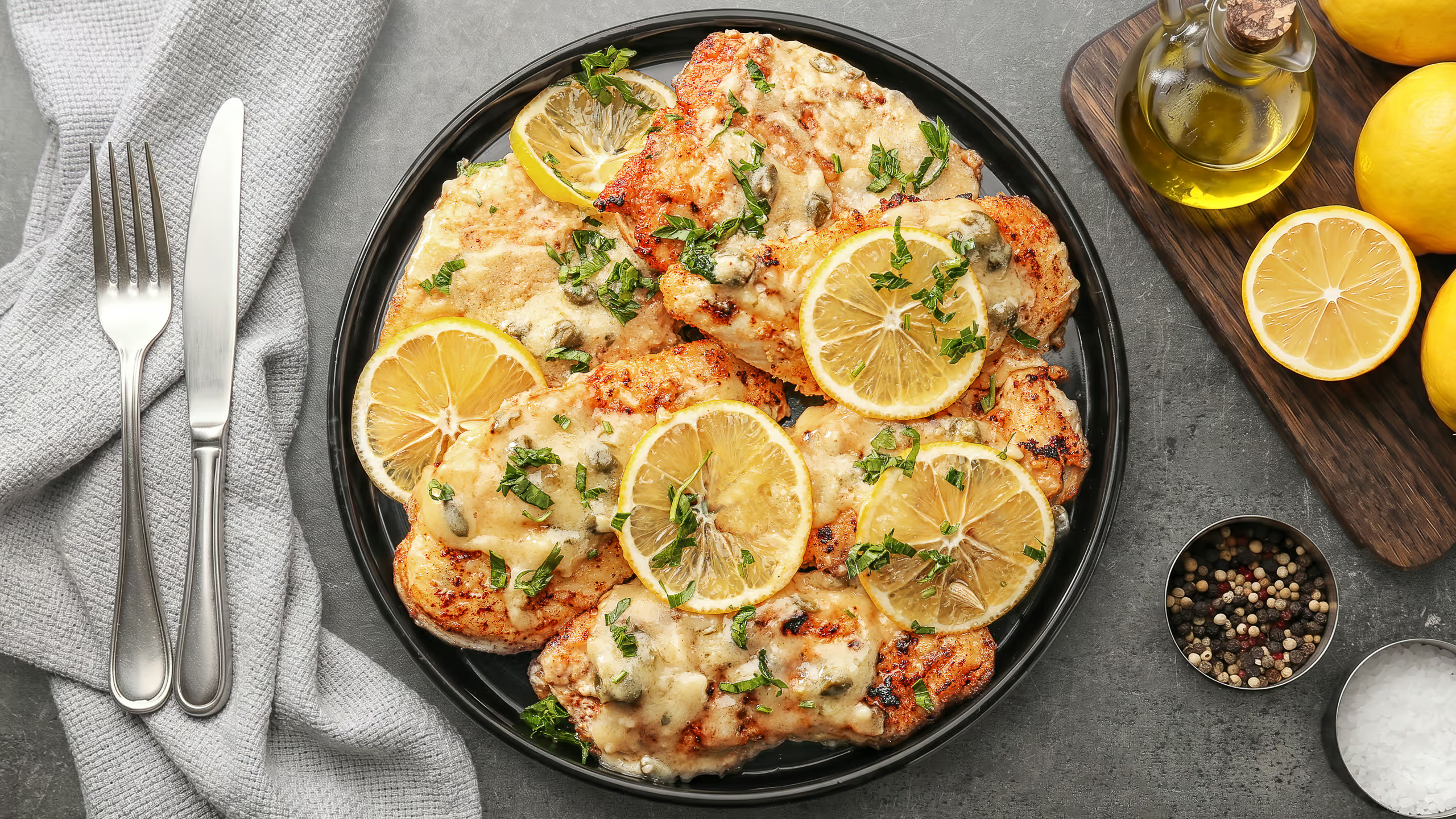
- Return the chicken to the skillet. Spoon the sauce over the cutlets and simmer gently for 1-2 minutes until the chicken is heated through. Garnish with fresh parsley and lemon slices if desired. Enjoy!
Notes
- Dry the chicken thoroughly. Any moisture left on the surface before dredging will prevent the flour from sticking evenly, leaving you with patchy spots that steam instead of brown.
- Go light on the flour. A thin, even coat is all you need – too much and it turns pasty in the sauce rather than giving it that clean, silky finish.
- Reserve that tablespoon of flour. Whisking it into the butter before adding the liquid is what transforms the sauce from thin and flat into something that actually clings to the chicken.
- Get the pan hot enough first. Wait until the oil shimmers and the butter foams before adding the chicken – that first contact sizzle tells you the temperature is where it needs to be.
- Give the chicken space. Too many pieces in the skillet at once and you lose the heat needed for browning. Cook in batches and leave each cutlet room to sear properly – I know it’s tempting to fit it all in at once, but trust me on this one.
- Always taste the sauce before the chicken goes back in. That’s your last real chance to adjust it up to your taste. If it feels a bit sharp for you, add a little cold butter to smooth it out. If it a bit salty (some capers are too salty), a splash of broth or a pinch of sugar tones down saltiness. If sauce feels a bit thin, just let an extra minute of simmering takes care of a thin consistency.
- Always taste the sauce before the chicken goes back in. That’s your last real chance to get it exactly where you want it. If it tastes a little sharp, a small knob of cold butter will smooth it out. If it’s too salty – and some capers really are – a splash of broth or a tiny pinch of sugar helps balance it. And if it feels thinner than you’d like, just give it another minute of simmering.
- Don’t skip the zest. Lemon juice alone makes the sauce acidic – zest is what makes it taste genuinely bright and layered rather than just sour. I almost always add a little extra.
Nutrition Information
Serving Size: 175 g
| PER SERVING | AVG. QTY* | %DV** |
|---|---|---|
| Calories | 324 kcal | 16% |
| Protein | 33 g | 66% |
| Fat | 18.3 g | 28% |
| Saturated | 7 g | 35% |
| Unsaturated | 11 g | 28% |
| Trans | 0.3 g | |
| Carbohydrate | 4 g | 1% |
| Dietary Fiber | 1 g | 4% |
| Sodium | 655 mg | 28% |
| Cholesterol | 125 mg | 42% |
* Nutritional values are approximate and provided for general guidance only. Actual values may vary depending on ingredients and exact quantities used.
** Percent Daily Values are calculated based on a standard 2,000-calorie daily diet. Individual nutritional needs may differ depending on personal calorie requirements.
Share with Friends
Good food is better when shared. It also helps us create more recipes for you.
Frequently Asked Questions
What is chicken piccata?
Chicken piccata is a popular Italian-American dish of chicken cutlets, floured and pan-fried until golden, finished in a bright lemon-butter sauce with capers.
What to serve with chicken piccata?
Chicken piccata pairs best with sides that soak up the sauce – pasta, rice, mashed potatoes, or risotto. Simple salads or roasted vegetables round out the meal nicely too.
How to make chicken piccata?
To make chicken piccata, slice and pound chicken into thin cutlets, dredge in flour, and pan-sear until golden, then finish in a quick lemon-butter caper sauce.
Is chicken piccata Italian?
Chicken piccata is Italian-American rather than traditionally Italian. It was created by Italian immigrants in the US and originally made with veal, not chicken.
How to make chicken piccata sauce?
To make chicken piccata sauce, melt butter in the same skillet, whisk in a little flour, add broth or white wine, lemon juice, zest, and capers, and simmer until lightly thickened.